Global crude holds near recent peak
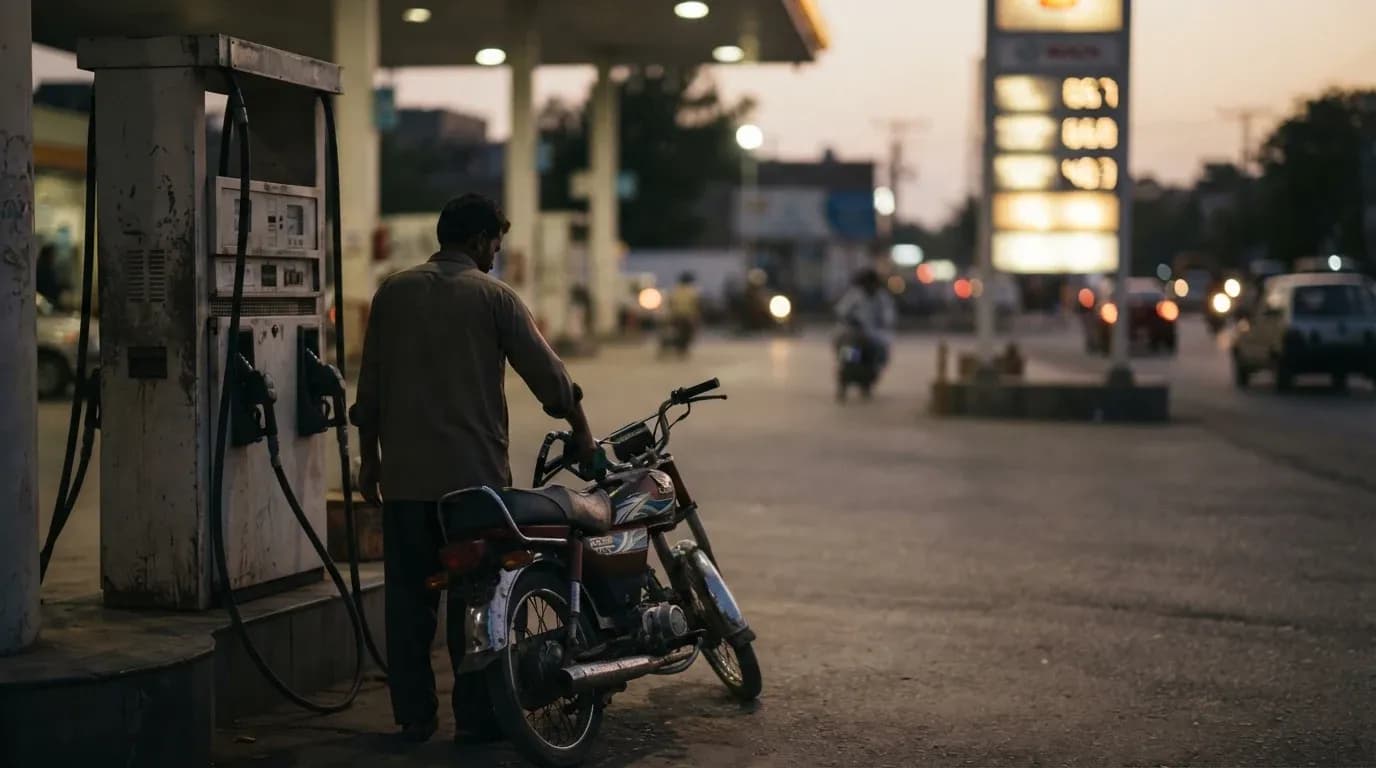
Oil prices in Pakistan today are being read against international benchmarks that stayed elevated on Friday, when Brent traded at $96.19 a barrel by 0140 GMT. The contract was 38 cents, or 0.39%, softer on the day after jumping almost $2 on Thursday to its firmest settle since 6 November, leaving it close to this month’s peak.
US light crude (WTI) stood at $85.41 a barrel, $1.73 or 2.07% above Wednesday’s finish. Markets skipped a Thursday WTI settle because of the Thanksgiving holiday in the United States. Oil prices in Pakistan today therefore turn on the same Brent and WTI signals that are swinging with Middle East shipping and refinery risk.
Why Middle East fighting is lifting risk
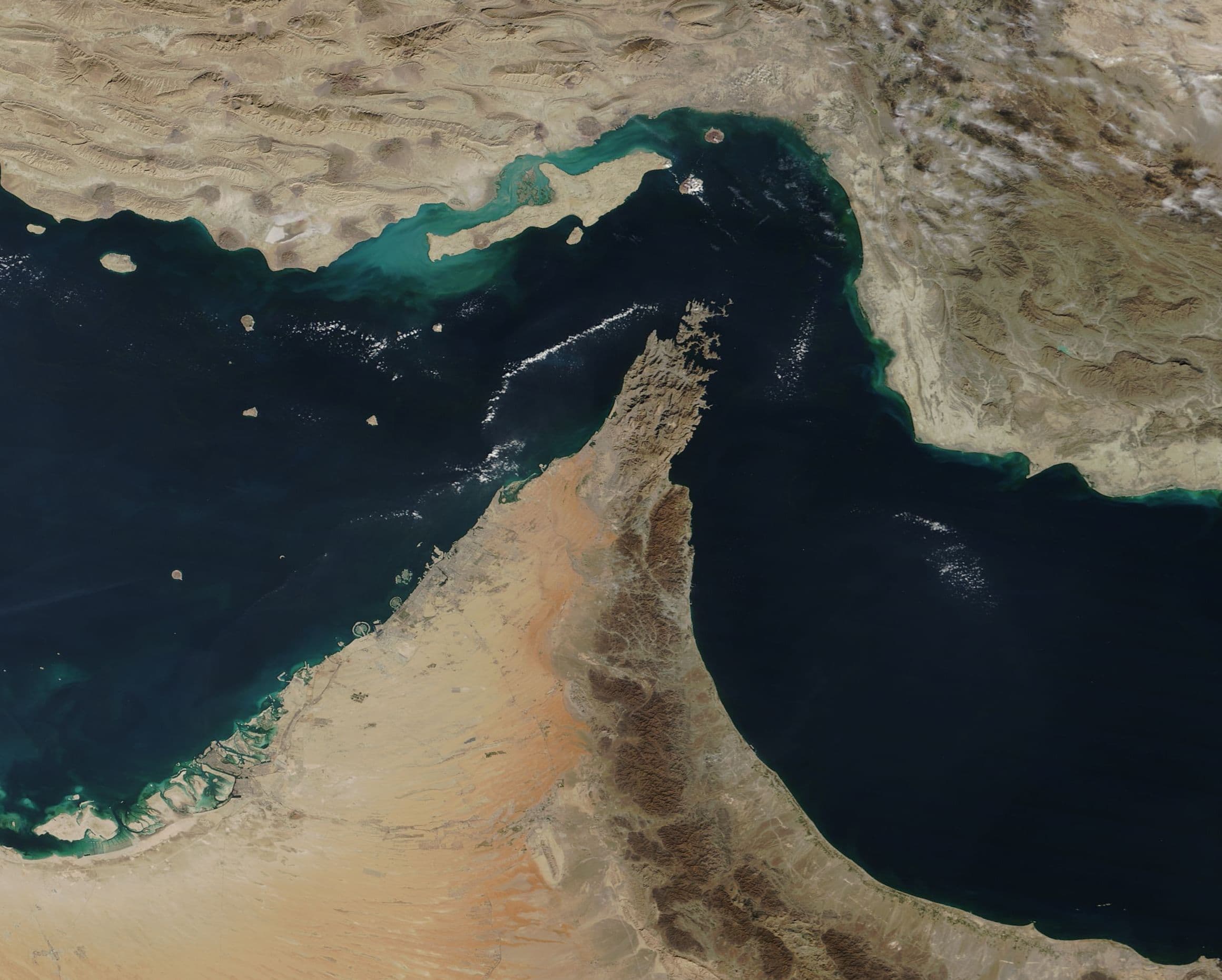
Traders are pricing in continued disruption to exports from the conflict zone. Iran has kept up assaults on vessels using the Strait of Hormuz, a vital oil corridor, while Yemen’s Houthis have struck Saudi energy sites and ports.
Saudi Arabia’s Energy Ministry said a projectile hit Aramco’s Jazan plant on Thursday, briefly stopping some work, killing a Nepalese employee and injuring several others. That followed Houthi claims of hits on Ras Tanura—the kingdom’s biggest refinery and a major crude shipping hub—and on the Red Sea ports of Jeddah and Jazan as fighting between the sides intensified.
ANZ analysts Brian Martin and Daniel Hynes wrote that Brent could still climb above $100 a barrel without a fresh major Middle East escalation, though that path “increasingly requires evidence of constrained deliverable supply.”
Other supply shocks and OPEC+
Both benchmarks were heading for their first weekly gain in four weeks. Earlier soft patches had reflected relief that US President Donald Trump did not widen military pressure on Iran after the US midterm vote.
Beyond the Gulf, Ukraine has stepped up drone strikes on Russian refineries since late October; a recent blaze at the Slavyansk ECO plant in Krasnodar hit Russian processing and product shipments, tightening diesel availability worldwide. Separate fires were reported on Thursday at Thailand’s Bangchak plant and Venezuela’s Amuay complex. Offshore Brazil, Equinor and partner Galp said an incident at the Bacalhau field has shut output for an estimated five to eight weeks.
With Iranian-war disruption in view, two people familiar with the talks said OPEC+ is likely to hold current production targets at least through the first quarter of 2027 when ministers meet on Sunday.
Timeline: what has happened so far
- Late October: Ukraine intensifies drone strikes on Russian oil refineries, later contributing to tighter global diesel supply.
- Wednesday: Equinor and Galp say Bacalhau offshore Brazil is offline for about five to eight weeks; WTI’s last pre-holiday settle is the Wednesday close used for Friday’s comparison.
- Thursday: Brent jumps nearly $2 to its highest settle since 6 November; a projectile hits Aramco’s Jazan refinery, killing a Nepalese worker; Houthis claim prior strikes on Ras Tanura, Jeddah and Jazan; fires hit Bangchak (Thailand) and Amuay (Venezuela).
- Friday: Brent trades near the month’s high at $96.19 a barrel by 0140 GMT after a modest pullback.
- Sunday: OPEC+ is expected to keep output targets at least for the first quarter of 2027.
Aasan alfaaz mein
Jumme ko Brent oil $96.19 per barrel ke qareeb tha. Middle East mein tanker aur Saudi energy sites par hamlay se supply ka khadsha barh gaya hai. Guruwar ko Brent qareeb do dollar tezi ke baad November ki peak ke paas settle hua tha. Analysts kehte hain agar deliverable supply tight dikhe to qeemat $100 se upar bhi ja sakti hai.