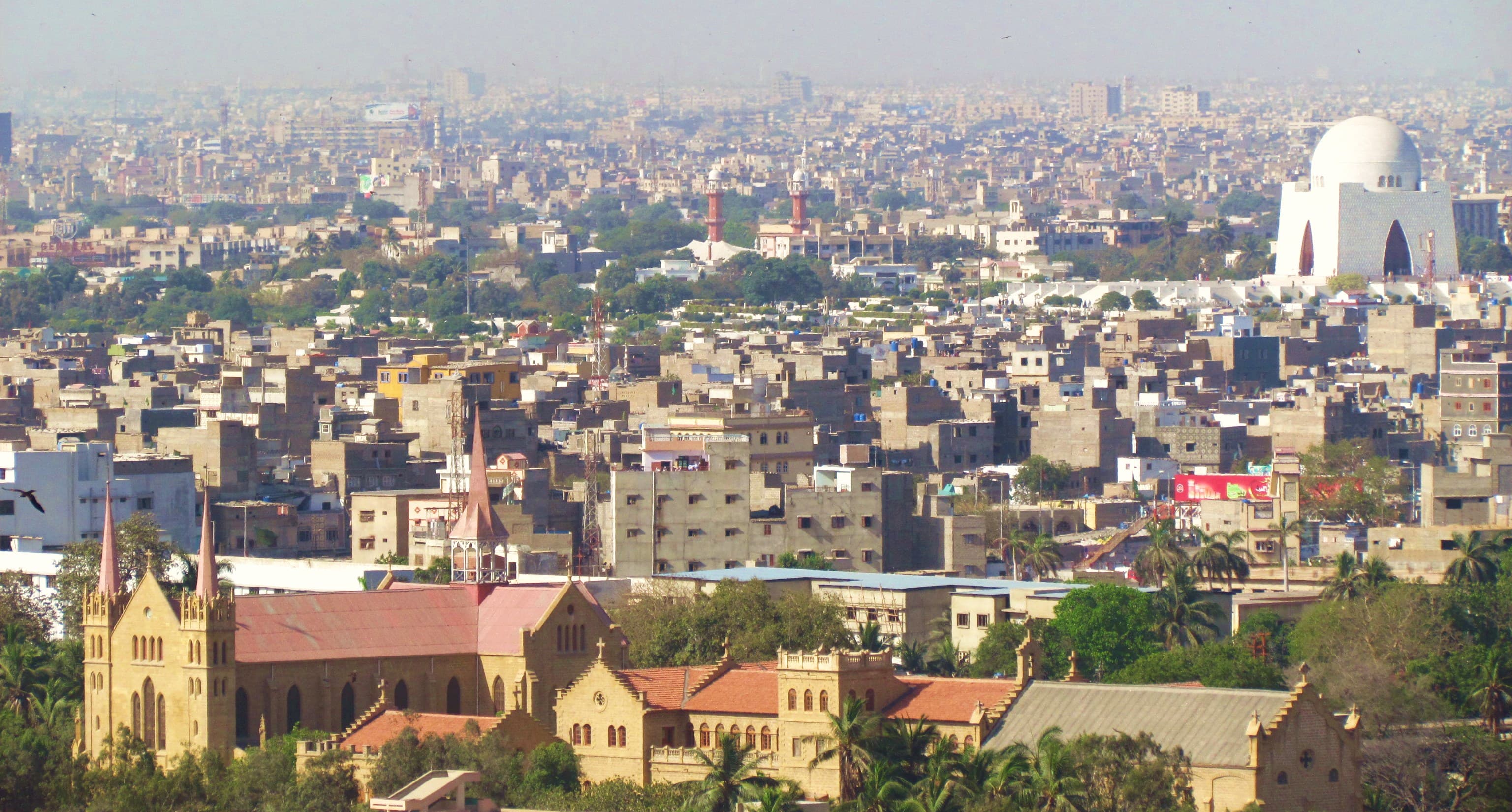
Karachi will receive 500 electric buses under a decision of the Sindh cabinet, which also cleared a $540 million financing package for the first phase of the STAR-WASH water, sanitation and hygiene programme. The cabinet reached its decisions on Wednesday at a 21-point meeting held in the Chief Minister's House. The bus plan is the main transport measure among a wider set of approvals that also cover water supply, healthcare and education.
The electric bus deal
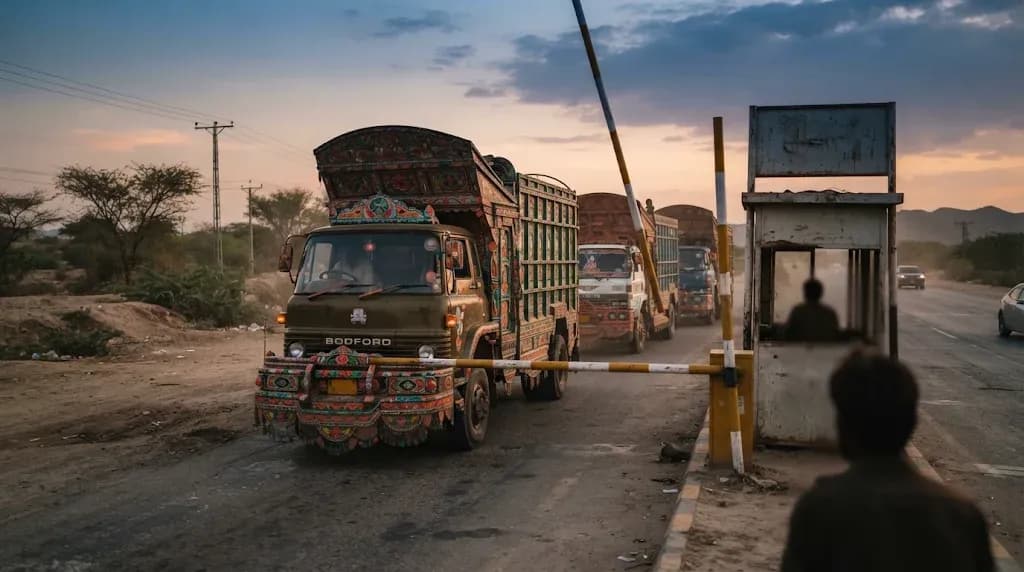
The cabinet endorsed a government-to-government agreement between the Sindh Mass Transit Authority (SMTA) and Heavy Industries Taxila (HIT). Under the deal, HIT will handle the supply, construction, operation and maintenance of the fleet, and the project is valued at Rs37.97 billion. The fleet will consist of 300 buses of 12 metres and 200 smaller vehicles.
The package also includes 125 charging points, three depots and 499 passenger shelters, along with an intelligent transport system and fare collection that runs automatically. Transport Minister Sharjeel Inam Memon, speaking at the meeting, said the buses will operate on 17 routes. Twelve of those routes are new, while five are existing Peoples Bus Service routes.
The financial terms were also set out. The government agreed to an annual allocation of Rs6.06 billion for 10 years to recover capital costs. That payment depends on budget availability and deductions linked to performance. A one-time payment of Rs234 million will cover electricity grid connections and the transfer of land to the SMTA. Under the terms, HIT will share 10 percent of gross fare revenue with the Sindh government, which will also receive half of the carbon-credit revenue.
STAR-WASH financing and other approvals
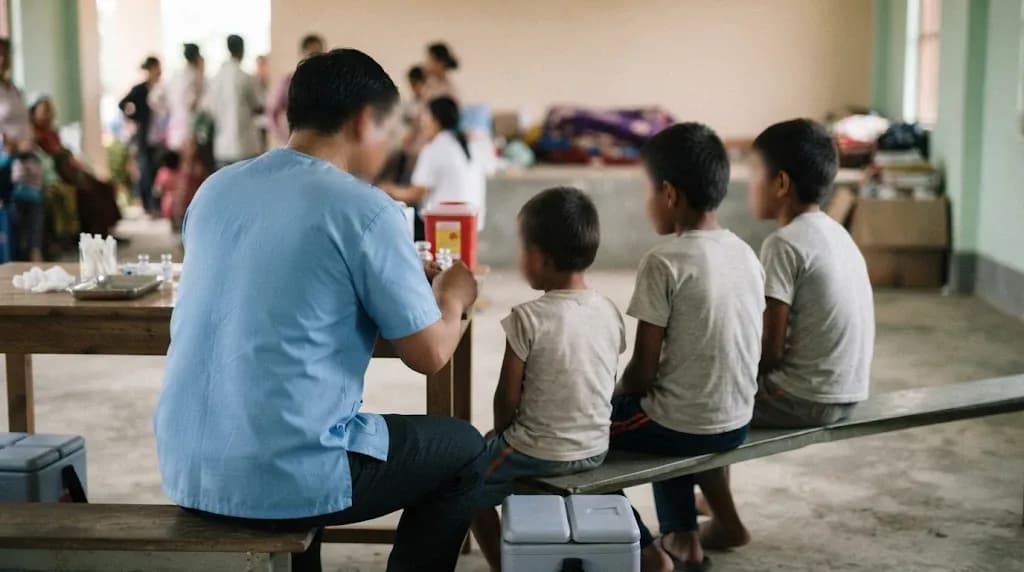
The cabinet gave post-facto approval, meaning it endorsed the $540 million package after the fact, to fund the first phase of STAR-WASH, the Sindh Transformation and Results in Water, Sanitation and Hygiene programme. Of the total, the World Bank's IDA window provides $200 million and the IBRD another $100 million. The Asian Development Bank (ADB) lends $150 million, and the Sindh government contributes $90 million. IDA and IBRD are both World Bank lending arms.
The programme will be run by the Sindh Peoples Housing for Flood Affectees Project Implementation Unit. Its goal is to make safer drinking water, sanitation and hygiene services available in some districts across Sindh.
Phase-II of Sindh's Safe Cities initiative, aimed at Karachi's security, was also cleared at an estimated Rs9.406 billion, with a Rs8.871 billion contract going to the NRTC. Ziaul Hassan Lanjar, the home minister, was asked by Murad Ali Shah to oversee the work personally and finish it within 18 months.
Two health projects also received funding. A Rs5 billion oncology complex at SIUT's Mehrunisa Medical Centre will receive Rs3.5 billion from the provincial government under a 70:30 cost-sharing arrangement with SIUT. Larkana will also get a 200-bed hospital focused on urology and nephrology, with a contract worth Rs13.501 billion, due for completion in 24 months.
What happens next
Murad Ali Shah urged departments to hurry projects on water, drainage, health and schooling. He said finishing water supply and drainage schemes quickly was the government's priority, to bring relief to residents. With the approvals in place, implementation moves to the agreements: the SMTA and HIT arrangement for the buses, the NRTC contract for Safe Cities, and STAR-WASH. The Safe Cities work is to be completed within 18 months, and the Larkana hospital is expected to be commissioned within 24 months.
Aasan alfaaz mein
Sindh cabinet ne Karachi ke liye 500 electric buses ki manzoori di hai, jo 17 routes par chalengi. STAR-WASH ke pehle phase ke liye $540 million ki financing bhi manzoor hui hai, jis ka maqsad paani, safai aur hygiene ki sahulat behtar karna hai. Yeh abhi faislay hain, aur inka asar aam logon tak dheere dheere pahunchega.