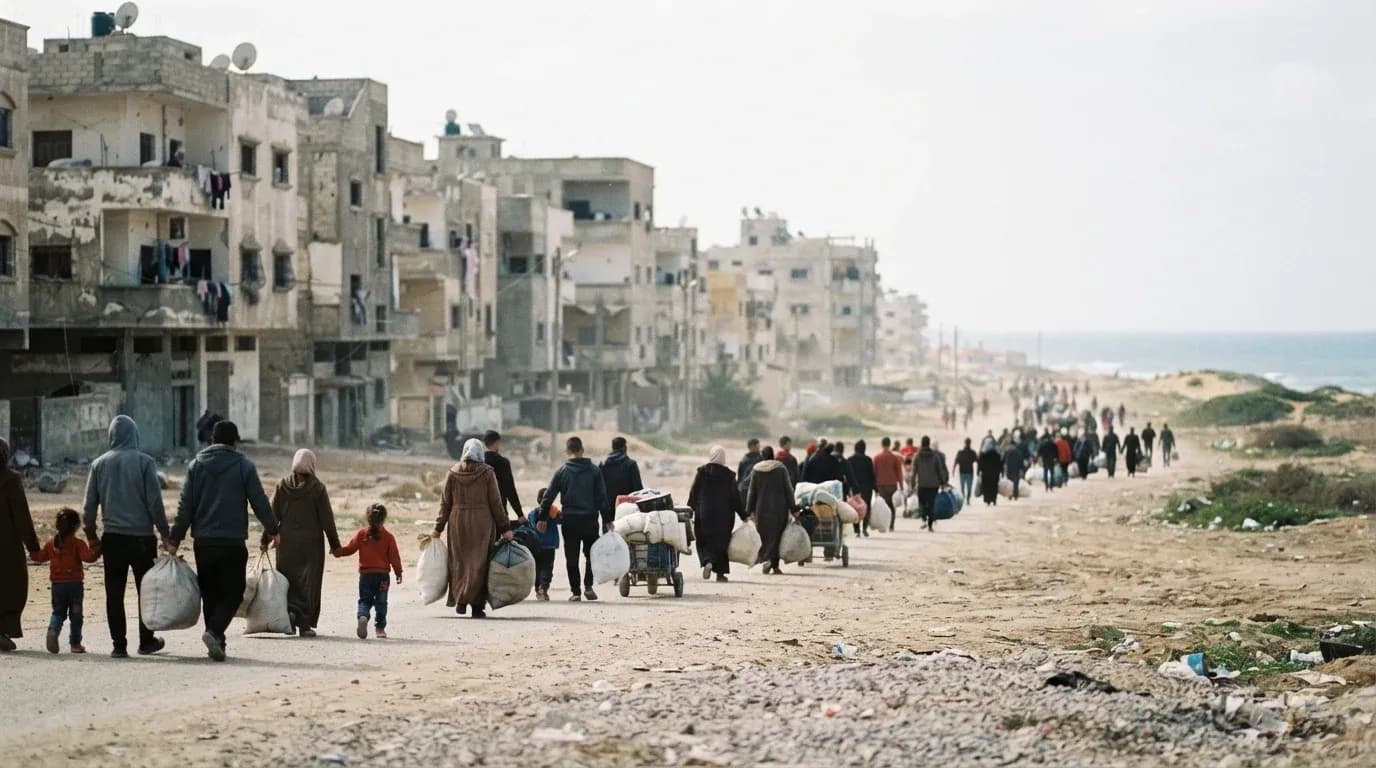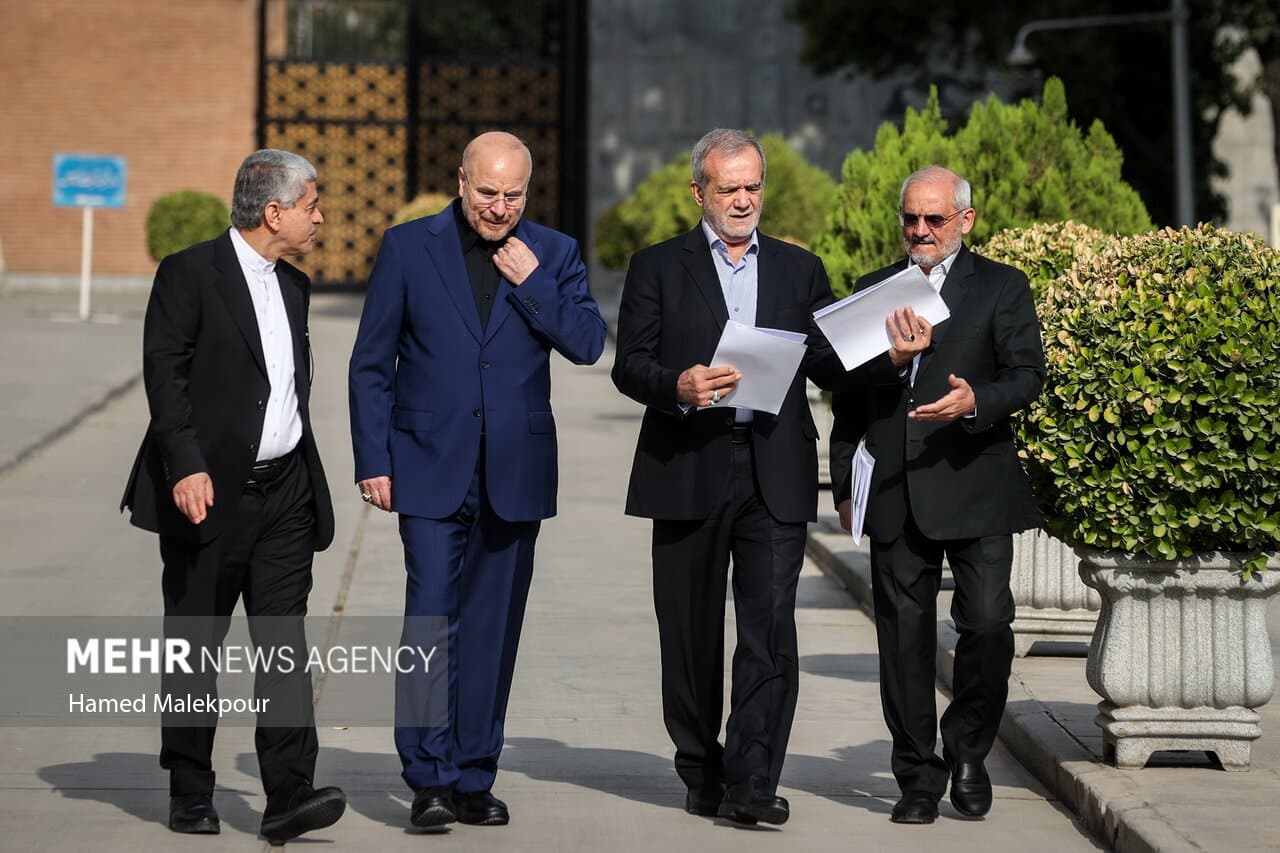
Iran’s petrol price hike and wider subsidy cuts have become part of a broader economic squeeze, with President Masoud Pezeshkian saying the country has run short of money and is fighting a "silent war" driven by rising external pressure. In a televised address, he said Iran would face a difficult winter as the government reduces support on fuel and bread and begins power rationing.
The president said daily electricity cuts would last up to two hours for now, but could increase as temperatures fall. He described the situation as harder than a missile war because, in his words, it is an economic conflict that is not easy to fight.
What the government has announced
According to the source, electricity rationing began on 22 November after fuel shortages emerged at power plants. Iranian officials linked those shortages to damage to gas infrastructure during the war.
At the same time, the government has reduced support in other basic areas of daily life. In at least three provinces, Markazi, Khuzestan and Zanjan, limits have been placed on how much subsidised bread people can buy. After a household uses its monthly quota, bread must be bought at five times the subsidised price.
The report also says millions of people were removed last month from a state food voucher programme that had begun in January after protests over inflation. Plans for salary increases have also been halted.
Why the pressure is growing
Pezeshkian’s remarks tie the crisis to expanding US economic pressure and a naval blockade that, according to the source, has sharply reduced Iran’s oil income. Experts cited in the report say Iran may lose 4% of its economy this year, while lost oil revenue is estimated at about $3 billion to $4 billion a month.
Food inflation has added to the strain. Official figures cited in the source say prices for food and beverages rose by more than 110% over one year. That helps explain why the Iran petrol price hike is being felt beyond transport, especially by small businesses and families already dealing with expensive essentials.
One woman running a small business in Tehran said the reduction in fuel support cut her profit by about one-third. Her account reflects a wider complaint in the report that petrol subsidy cuts have caused some of the most immediate damage for ordinary people.
Timeline: what has happened so far
- January: A state food voucher programme began after protests against inflation.
- Last month: Millions of people were removed from that food voucher programme.
- 22 November: Electricity rationing began after fuel shortages at power plants.
- This winter: Daily power cuts of up to two hours were announced, with possible longer outages in colder weather.
- Now: Bread purchase limits are in place in Markazi, Khuzestan and Zanjan, while petrol subsidies have been reduced.
What happens next
Iranian officials have warned that winter could bring shortages of fuel and heating as well as longer electricity cuts. The head of the Iranian parliament’s economic committee, speaking to state media, warned that the country could face shortages of fuel and heat during the season.
That means the Iran petrol price hike is not a stand-alone measure but part of a wider attempt to manage a shrinking pool of state resources. For households, it points to a winter shaped by higher living costs, tighter energy supply and less government support on basics.
Aasan alfaaz mein
Iran mein hukoomat ke paas paisa kam par gaya hai, is liye petrol aur roti par subsidy kam ki ja rahi hai. Bijli ki load shedding bhi shuru ho gayi hai aur sardi mein zyada ho sakti hai. Is ka matlab awam ko rozmarra cheezon ke liye zyada paisa dena par sakta hai. Chhote karobaron aur gharon par iska asar sab se zyada nazar aa raha hai.