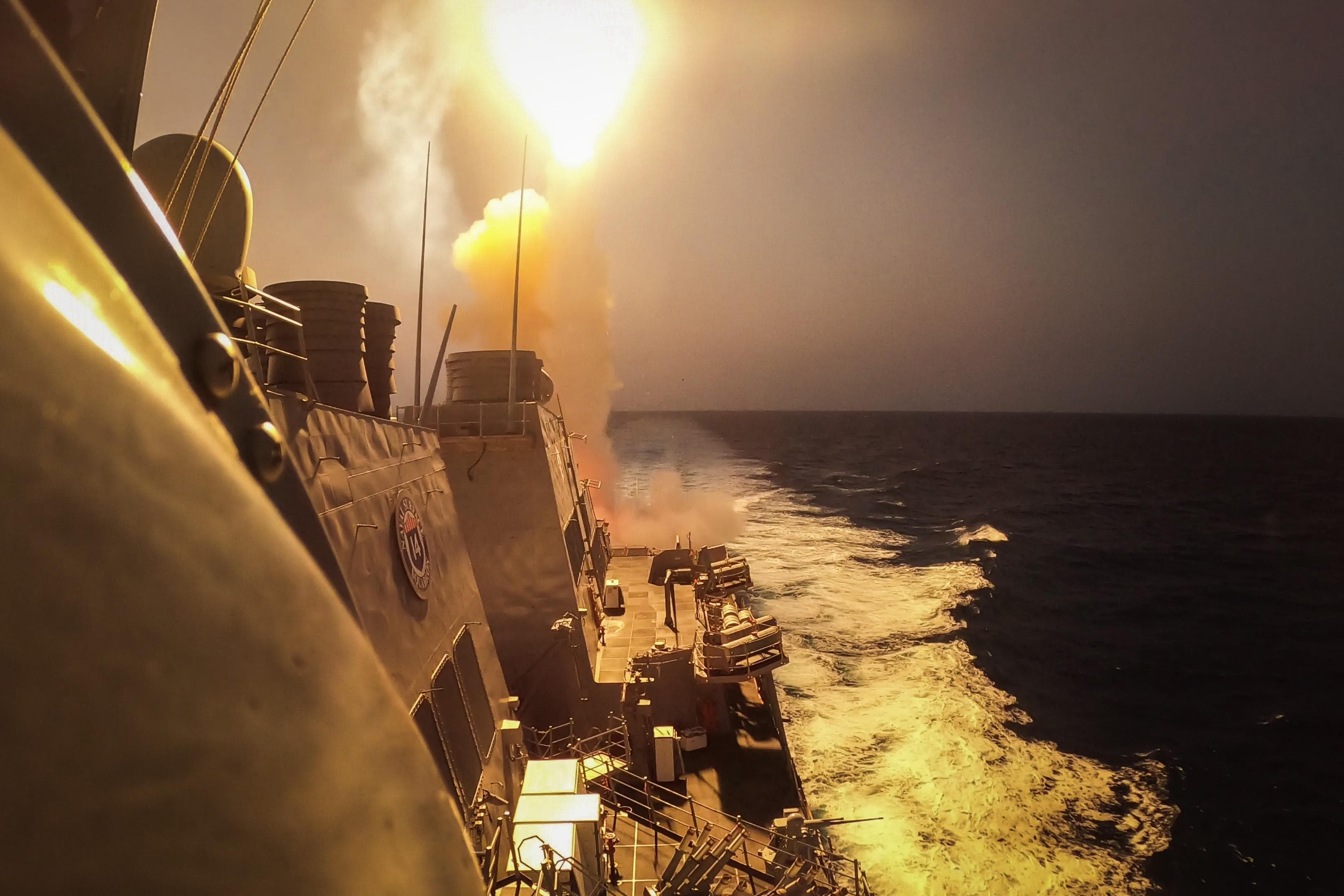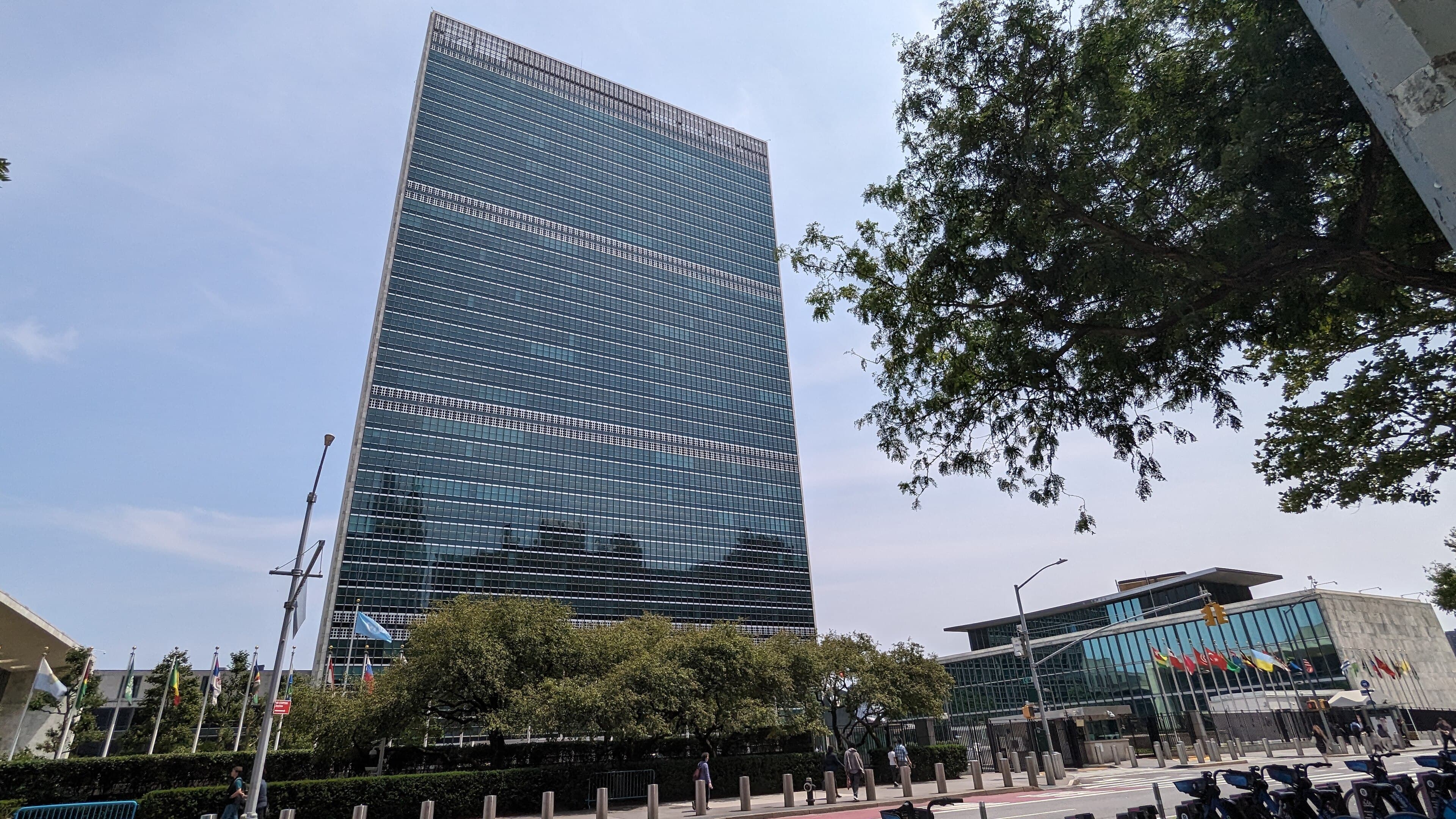
On November 13, the UN Security Council voted unanimously to adopt a resolution that renews targeted sanctions and asset freezes on designated Yemeni entities. The UNSC Yemen sanctions decision came amid Houthi military threats to Red Sea shipping, and Pakistan's envoy, speaking in explanation of his positive vote, demanded an end to Houthi attacks on Saudi Arabia. The resolution, numbered 2837 (2026), was drafted by the United Kingdom and adopted by the 15-member Council by consensus.
What the UNSC Yemen sanctions resolution changes
Beyond renewing the sanctions and asset freezes, the resolution extends the mandate of the expert panel that supports the Yemen Sanctions Committee, the body overseeing the regime. It also demands an immediate halt to all Houthi attacks. The most concrete change is stronger arms embargo measures, aimed at curbing Houthi access to dual-use components and precursor chemicals.
Dual-use components are items with both civilian and military uses, while precursor chemicals are substances used as starting materials to make other chemicals. UK Ambassador Sarah MacIntosh, who led the negotiations, said these measures target inputs that underpin the Houthis' local chemical manufacturing and their ability to launch destabilising attacks. She said the vote showed the Council's “decisive action” against what she called reckless Houthi attacks in Yemen, against Saudi Arabia and across the wider region.
She also said she looked forward to agreeing, in the coming months, a list of dual-use items to be covered by the sanctions regime. “Sanctions are not an end in themselves,” she said, describing them as a tool to constrain the Houthis and create conditions for lasting peace.
Pakistan's position on the attacks
Pakistan's UN Ambassador Syed Haider Shah condemned the continued Houthi terrorist attacks against Saudi Arabia “in the strongest terms”. He expressed full and unwavering solidarity with the Saudi government and people, and said Pakistan supports the Kingdom's sovereignty, territorial integrity, security and stability, including its right to defend its territory and protect its citizens and residents. “We demand an immediate and unconditional cessation of these reprehensible Houthi attacks,” he said.
The envoy added that effective implementation of the sanctions requires respect for the Council's institutional framework, and that the expert panel's work under its mandate would strengthen the credibility of the Council's output. He reaffirmed Pakistan's support for Yemen's sovereignty, independence, unity and territorial integrity, and for a UN-led, inclusive political process that is Yemeni-owned and Yemeni-led.
Humanitarian toll and next steps
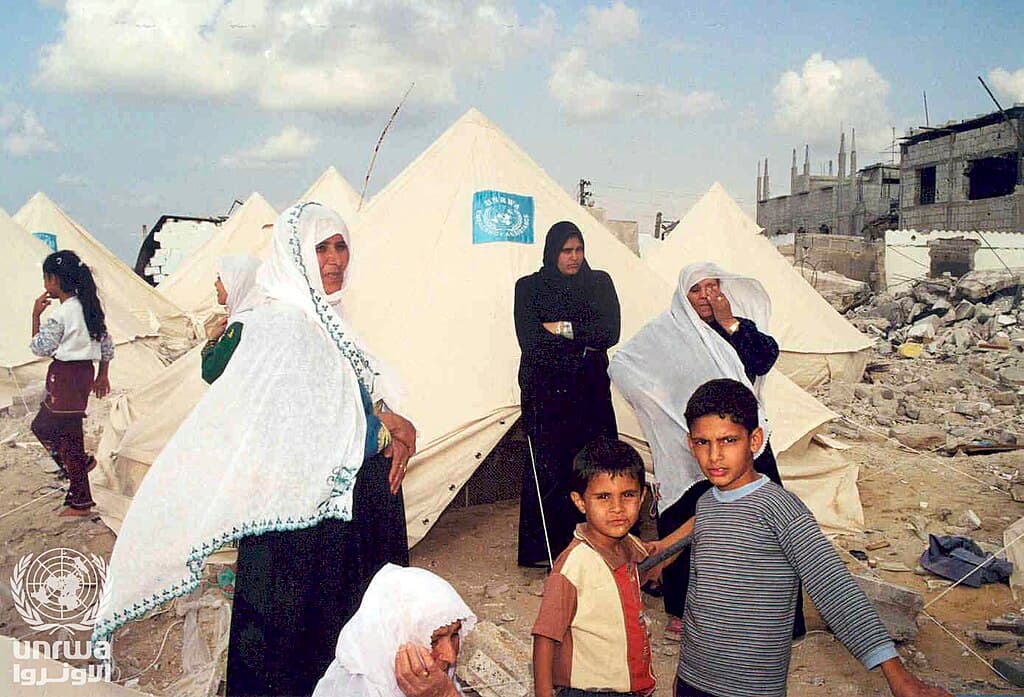
The UK envoy deplored the worsened humanitarian situation caused by recent fighting, saying 330,000 Yemenis had been displaced and 22 million people need humanitarian support and protection. Ambassador Haider Shah said Pakistan remains committed to supporting efforts to restore peace, stability and security in Yemen and to ease the suffering of its people.
The next step under the UNSC Yemen sanctions regime is agreeing the list of dual-use items the UK envoy mentioned, with agreement sought in the coming months. The expert panel will continue its work under its extended mandate.
Aasan alfaaz mein
UN Security Council ne Yemen par sanctions ka nizam update kiya hai, jo Houthi khatron ko rokne ke liye hai. Pakistan ne Saudi Arabia par Houthi hamlon ki sakht mazammat ki aur Saudi Arabia ki khudmukhtari ke saath khare hone ka aitmad diya. Hathyaron ki pabandi ko mazboot kiya gaya hai, aur Yemen mein aman ke liye UN ki qayadat mein siyasi amal ki hamayat ki gayi hai. Aam Pakistani ke liye ahem baat yeh hai ke Gulf ke halaat aur Red Sea mein Houthi khatron par nazar rakhi jaye.