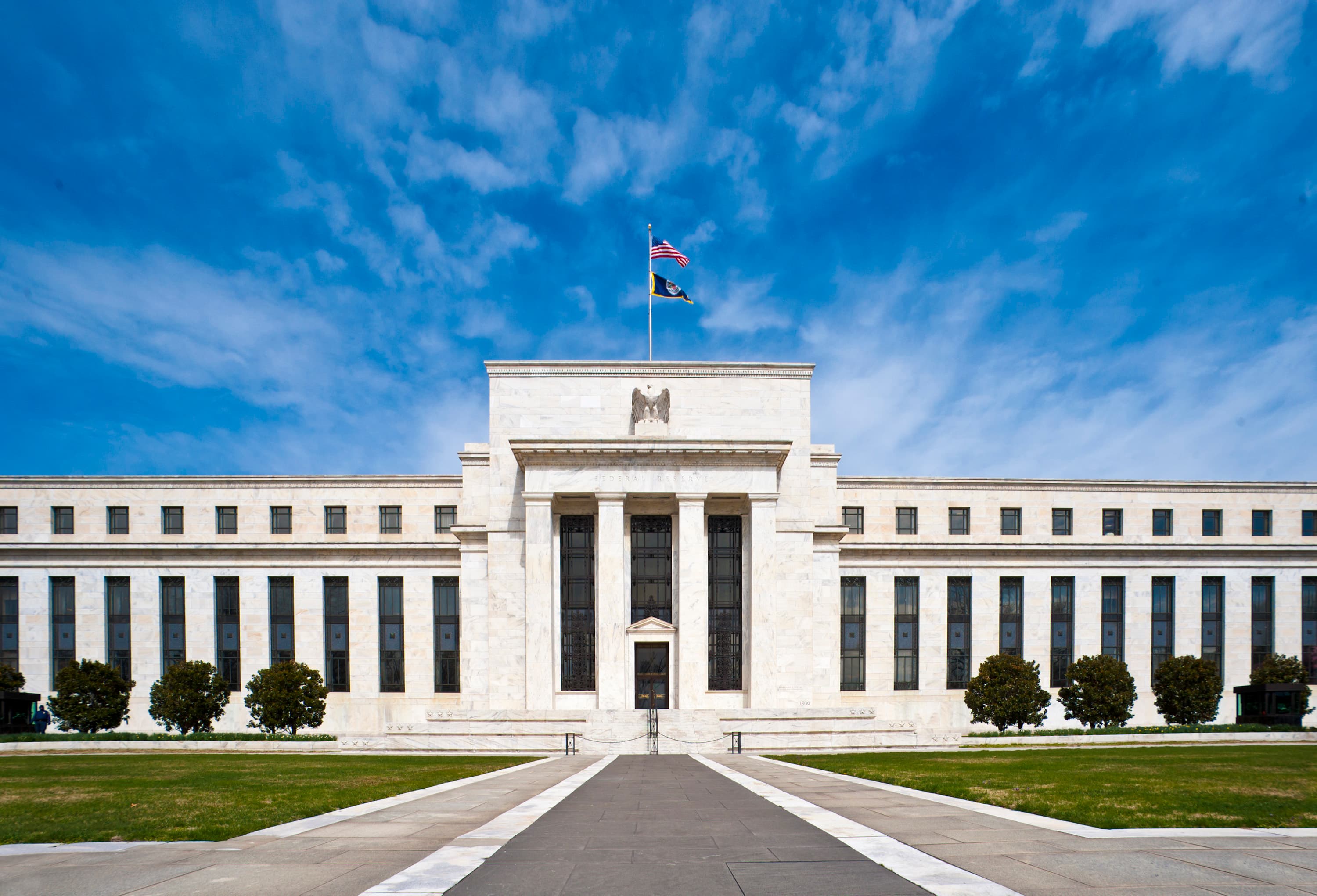
Pakistan GDP growth is expected to fall between 3.5% and 4.5% in the 2026-27 fiscal year, the State Bank of Pakistan (SBP), the central bank, said on Monday. The projection appeared in the bank's annual report on the State of Pakistan's Economy for FY26, which said the country entered the new fiscal year on relatively stronger macroeconomic footing. The forecast refers to real GDP, the total value of goods and services produced, adjusted to strip out price changes.
What the central bank expects
The report links the expected growth to a gradual recovery in domestic demand and better performance in commodity-producing sectors, mainly agriculture and industry. It said the gains in those sectors should help the services sector expand as well. The report also noted that sustained improvement in key economic indicators has prompted an upgrade in Pakistan's sovereign credit ratings.
On the external side, the SBP expects imports to rise as economic activity picks up and global commodity prices increase. Exports are likely to recover moderately, supported by policy incentives and a slight rise in global demand. Workers' remittances, the money Pakistanis abroad send home, are expected to keep the current account deficit, the gap between incoming and outgoing foreign payments, between 0% and 1% of GDP.
The report also said the mobilisation of $3 billion through a Eurobond issuance in September 2026, along with central bank dollar purchases and official inflows, should help build foreign exchange reserves toward four months of import cover. A Eurobond is a dollar-denominated bond sold to international investors.
Risks from weather and energy prices
The report warned that worsening El Niño conditions, a weather pattern linked to drier spells in parts of the region, threaten the agricultural outlook. Even so, the latest information showed higher output of key kharif crops, the crops sown in the summer season, including sugarcane, rice and maize, compared with last year. Pakistan GDP growth therefore depends partly on whether this crop performance holds through the year.
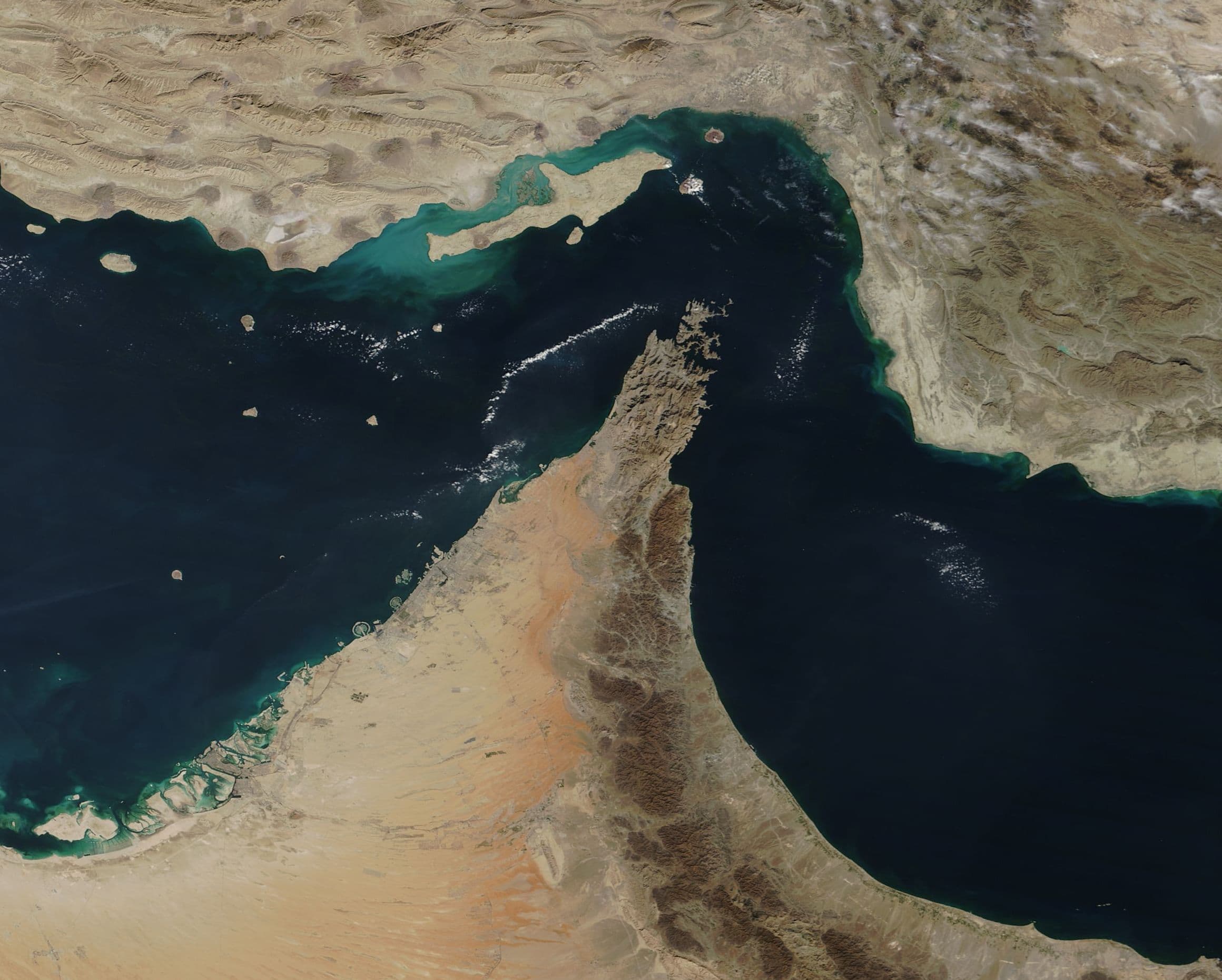
On prices, the SBP said the global energy price shock is expected to push inflation upward in FY27. Inflation is then expected to ease gradually toward the medium-term target range of 5% to 7%. The report noted that the energy shock linked to the Middle East conflict pushed year-on-year inflation into double digits from April 2026 onward, even though average inflation for FY26 stayed close to the upper bound of that range.
The report said FY26 was tested by shifting US trade tariff policies, monsoon flooding at the start of the year and the outbreak of the Middle East conflict in late February 2026. It credited prudent monetary policy and fiscal consolidation under the IMF programme, a lending arrangement with the International Monetary Fund, with safeguarding macroeconomic stability. The current account deficit was held to 0.1% of GDP in FY26.
Reforms the report calls for
The SBP said Pakistan's macroeconomic conditions have improved, but deeper structural reforms are needed to put the economy on a sustainable high growth path and absorb a growing working-age population. Among the priorities it listed were encouraging private investment by closing infrastructure gaps, supporting technology and skills development, and rationalising taxes while simplifying tax administration. It also called for rules-based frameworks to reduce policy uncertainty and early preparedness for climate shocks.
The report suggested that next-generation solar energy strategies could be built into agriculture, balancing renewable power with food security. In its words, these policy efforts could unlock public, private and foreign investment, support job creation and reduce vulnerability to global supply chain disruptions. The forecast itself is a projection, and the report does not set out how these reforms will be implemented.
Aasan alfaaz mein
State Bank ne kaha hai ke FY27 mein Pakistan ki economy 3.5 se 4.5 feesad tak barh sakti hai. Maang mein behtari aur ziraat aur industry se growth ki umeed hai. Lekin El Niño mausam se fasal ko khatra hai, aur mehngai 5 se 7 feesad ki target range tak dheere dheere aane ki umeed hai. Aam shehri ke liye iska matlab hai ke qeemton mein rahat foran nahi, balkay aahista aahista ho sakti hai.