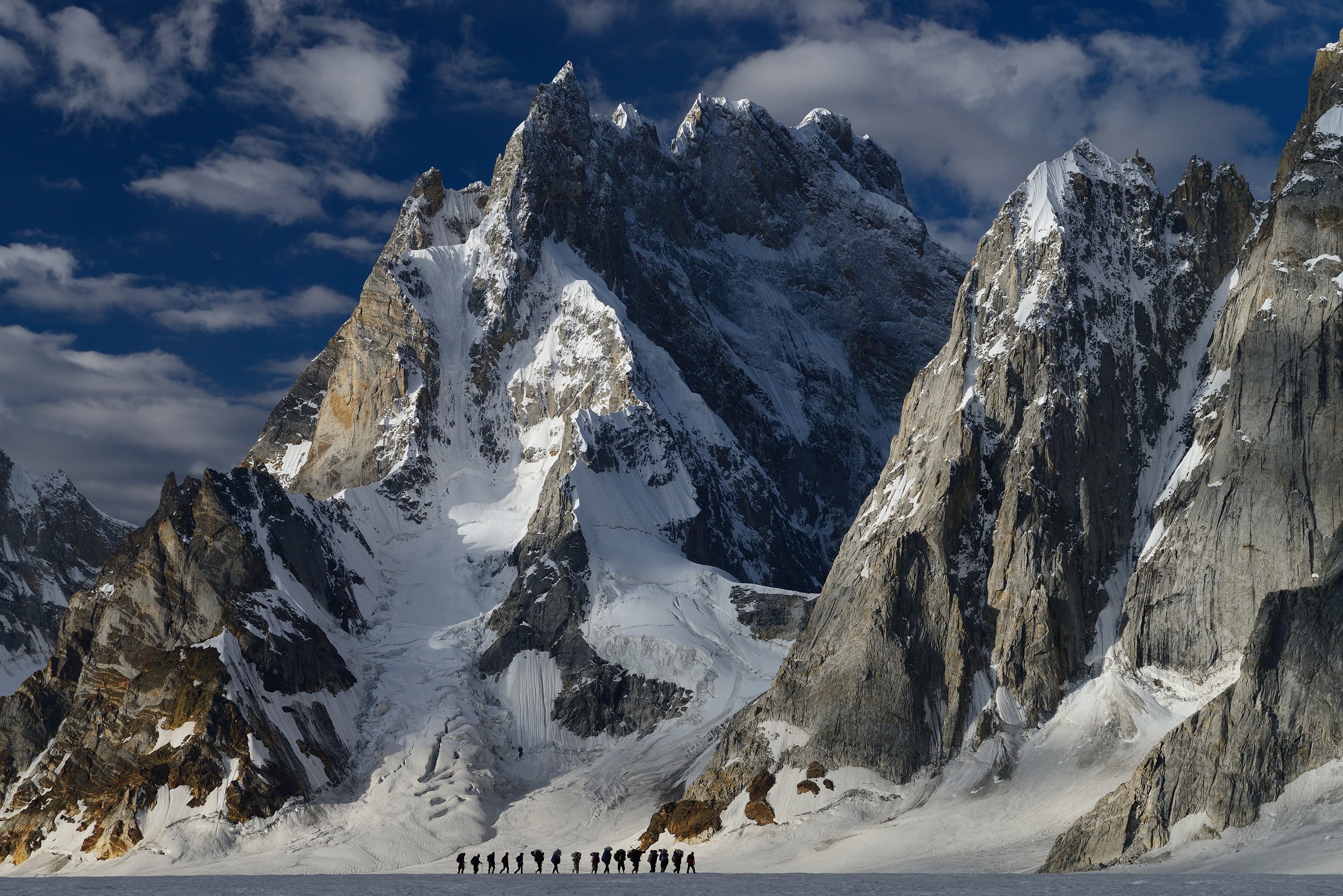
A severe winter has taken hold of Gilgit-Baltistan, leaving residents to face extreme hardships as the Gilgit-Baltistan winter season snowfall blocks critical transport routes and triggers massive energy shortages. Heavy snow has already severed links to remote districts, with temperatures in some high-altitude villages plunging below minus 20°C. Local residents report that areas such as Minimarg and Chilum in Astore district could remain isolated for up to six months.
Infrastructure and Road Closures
The onset of winter has led to the seasonal closure of Babusar Road, a vital link between Chilas and Naran. This closure forced travelers to divert to the Karakoram Highway, doubling the travel time between Diamer and Mansehra from seven hours to 14 hours. In remote valleys, the slippery and hazardous conditions have made movement nearly impossible, leaving many communities dependent on pre-stocked food supplies.
Energy shortages have further complicated the crisis. In Skardu, where temperatures have dropped below minus 6°C, residents are facing up to 18 hours of power cuts daily. These blackouts have not only affected heating but have also disrupted mobile phone signals and internet connectivity, impacting education and digital businesses.
Economic Strain and Tourism Collapse
The cost of living has skyrocketed as the Gilgit-Baltistan winter season snowfall increases the demand for heating. While a domestic LPG cylinder is priced at approximately Rs3,470 in other parts of Pakistan, it is selling for as much as Rs7,000 in the region. Firewood and public transport costs have seen similar spikes, placing an immense burden on low-income households.
The region's tourism sector, which supports over 60% of the population, has come to a virtual standstill. According to the GB Association of Tour Operators, roughly 90% of winter tourism activities are suspended due to poor infrastructure. Most hotels have closed for the season, and flight operations remain highly restricted, with Gilgit receiving flights only three days a week.
Impact on Displaced Families
The harsh weather is particularly devastating for families displaced by previous natural disasters. In districts like Ghizer, Astore, and Hunza, many are still living in temporary shelters or tents after floods and earthquakes destroyed their homes. Frozen water pipes and a lack of adequate heating equipment have left these vulnerable groups in a precarious situation.
Chief Minister Amjad Hussain Advocate noted that climate-related disasters affect roughly 1,000 households annually. The cost of restoring damaged roads, schools, and powerhouses continues to drain the region's limited development budget.
Aasan alfaaz mein
Gilgit-Baltistan mein shadeed sardi aur barf bari ki wajah se raaste band ho gaye hain aur bijli ki 18 ghante tak ki loading shedding ho rahi hai. Gas cylinder ki qeemat 7,000 rupay tak pahunch gayi hai jo ke aam shehron se dugni hai. Is mausam mein tourism bilkul ruk gaya hai aur logon ke liye guzara karna mushkil ho raha hai.