Israel coalition talks between caretaker prime minister Benjamin Netanyahu and opposition leader Gadi Eisenkot are under way, aimed at ending the deadlock left by last month’s election. Both sides remain short of a majority in the 120-seat Knesset, and Eisenkot’s mandate to form a government runs only until 6 December.
Why the deadlock remains
In October’s vote, Netanyahu’s bloc secured 53 seats while Eisenkot’s alliance of four parties took 48. Neither side reached the 61 seats needed to govern alone. President Isaac Herzog consulted the parties after the election on 27 October and gave Eisenkot 28 days to assemble an administration.
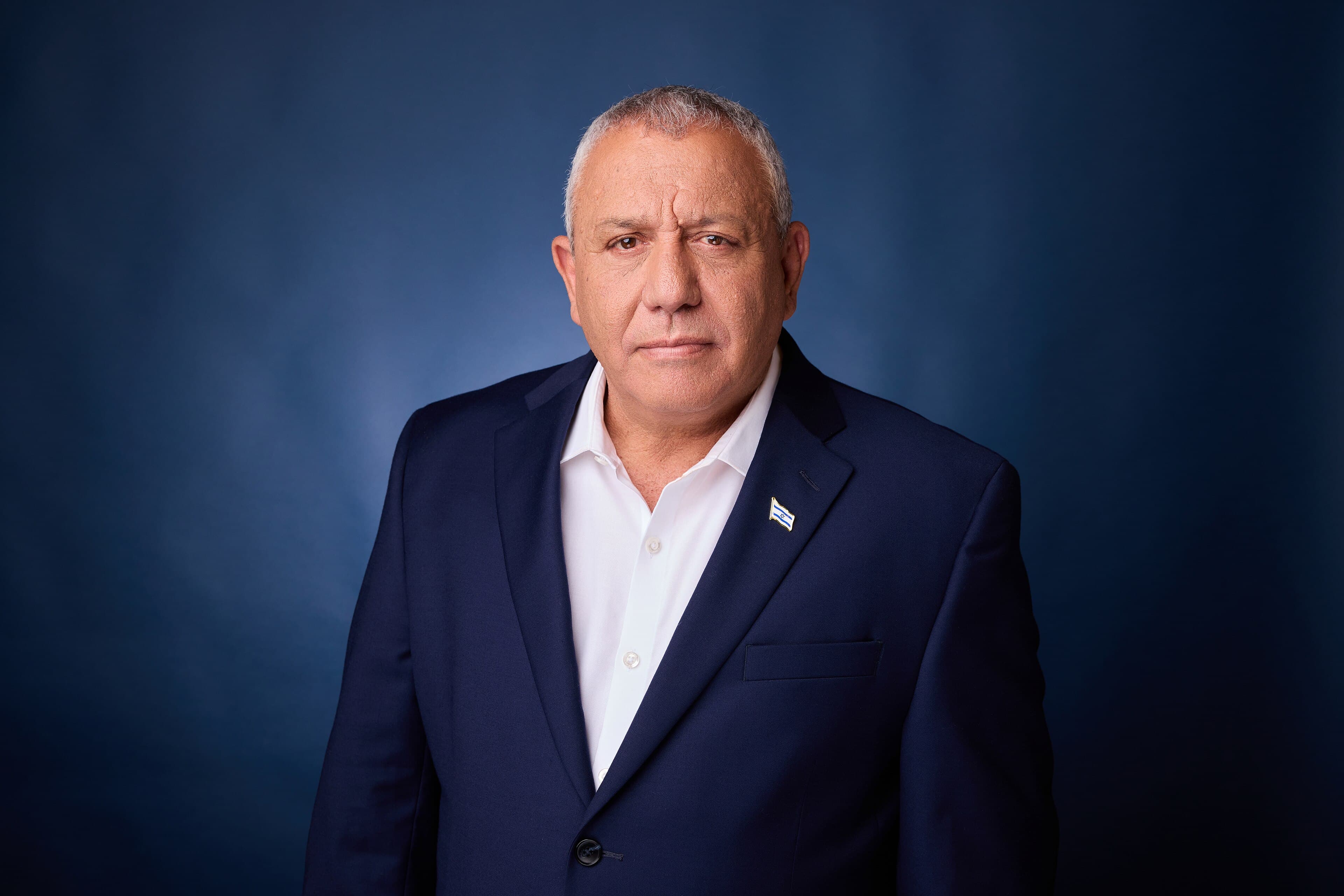
Eisenkot, a former army chief, has been working to build a coalition that would replace Netanyahu. He has agreed deals with two parties, but opposition to bringing Arab parties into government and trouble securing ultra-Orthodox partners have so far blocked a majority.
What Netanyahu proposed
On Saturday, Netanyahu floated a national unity government with a rotating premiership and said he would accept Eisenkot as prime minister first. In a post on X he wrote that “my responsibility as a leader obligates me to put everything aside, including the principle of the largest party.” He added that he would agree to Eisenkot serving “first as prime minister, while I will serve as alternate prime minister at the beginning of the term.”
Eisenkot replied by inviting Netanyahu to “genuine and accelerated negotiations,” opening the path for the current Israel coalition talks. The move followed his Friday accusation that Netanyahu’s Likud party was delaying coalition bargaining in the hope of forcing new elections.
Deadline and next steps
Eisenkot now has about a week before the 6 December deadline to form a government. Whether the rivals can turn the unity offer into a written deal — and whether other parties will join — will decide if Israel exits its election deadlock or faces another round of political uncertainty.
Timeline: what has happened so far
- 27 October: Israel holds a parliamentary election; President Herzog later consults parties and tasks Eisenkot with forming a government within 28 days.
- October results: Netanyahu’s bloc wins 53 seats; Eisenkot’s four-party bloc wins 48, leaving both short of a Knesset majority.
- Friday: Eisenkot accuses Likud of stalling coalition talks to push toward new elections.
- Saturday: Netanyahu proposes a unity government with a rotating premiership and offers Eisenkot the first turn as prime minister; Eisenkot invites accelerated negotiations.
- 6 December: Deadline for Eisenkot to form an administration.
Aasan alfaaz mein
Israel ke election ke baad dono bade groups ko majority nahi mili. Netanyahu ne Eisenkot se mil kar unity government banane ki baat ki hai, pehle Eisenkot wazir-e-azam banein. Baat cheet shuru ho chuki hai, lekin 6 December tak faisla hona zaroori hai. Agar ittefaq nahi bana to siyasi atal aur bhi lambi ho sakti hai.