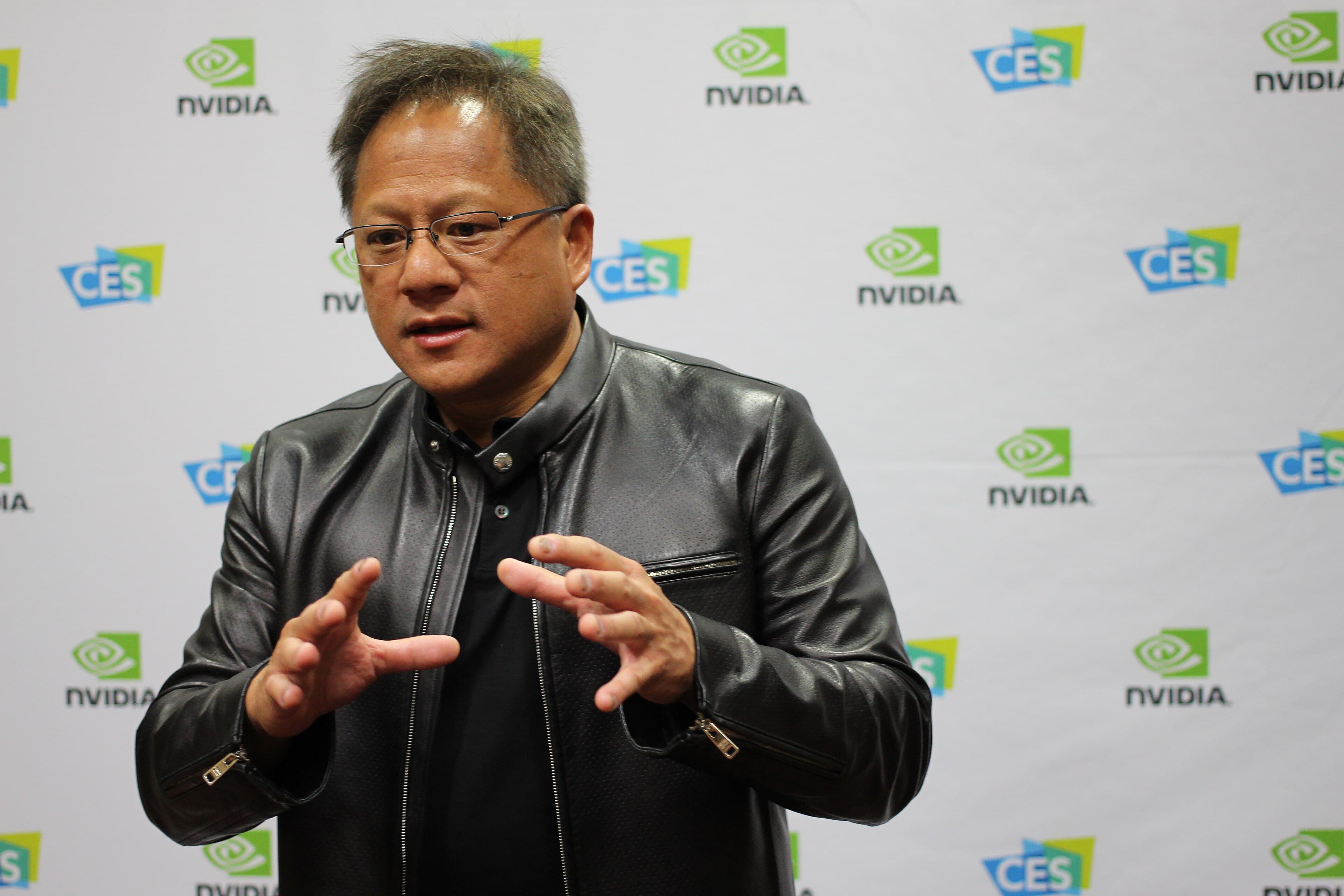
Jensen Huang, who co-founded Nvidia and led it for 33 years, has officially stepped down as the company's chief executive. Founders and venture capital investors say the change could leave young AI companies with far less money, because Nvidia has been one of the most active backers of startups. The impact on Nvidia AI startup funding could reach deal making, valuations and competition across the sector. Nvidia's interim chief executive, Colette Kress, is expected to introduce changes, especially to the company's investments.
Where Nvidia's money went
Over the last several years, Nvidia has poured tens of billions of dollars into startups each year. According to PitchBook, the company took part in 105 funding rounds this year alone, often as the largest investor. Its biggest bets went to neocloud companies, inference providers and open-weight AI models, which are expensive for smaller firms to build. Nvidia backed CoreWeave while it was still private and joined two of Crusoe's rounds, including a $1.4 billion Series E.
Nvidia has agreed to acquire Hugging Face for $13 billion, a deal expected to close in 2027, and it holds stakes in Mistral AI, Lambda and Black Forest Labs. Reports say Nvidia wrote an $800 million check into a $2 billion Series B round for Reflection AI last year. Zain Javid, co-founder of the hardware company Ghost, said Huang's initiatives are a major reason an ecosystem has emerged despite the high costs. Investors also say Wall Street has been concerned about how much Huang was dealing.
What could change next
Investors expect Nvidia to be more selective with new companies and to write smaller checks into its existing portfolio, which could push valuations down. Umesh Padval of Seligman Ventures said most major investment decisions came from Huang himself. "When Nvidia was on the cap table, everyone felt safe," he said, adding that traditional venture investors may now think twice. One investor described Kress as much more conservative and said she is unlikely to commit the same amount of money to early-stage companies.
Some investors hope large cloud companies and other chipmakers will fill the gap. Dharmesh Thakker of Battery Ventures expects big technology rivals to compete for that role, though he doubts Google, Amazon, Microsoft or AMD will put hundreds of millions into pre-revenue infrastructure startups the way Nvidia did. Google announced two new chips in the same week. Few believe Nvidia's slowdown will by itself halt the wider AI boom, and some point out that the ecosystem is bigger than any one person.
Aasan alfaaz mein
Jensen Huang ne Nvidia ke CEO ka pad chhor diya hai, aur Colette Kress ko interim CEO bana gaya hai. Investors ka kehna hai ke Nvidia ab naye AI startups ko zyada soch samajh kar paisa dega, jis se funding kam ho sakti hai. Yeh khabar seedhe taur par AI startups aur unmein invest karne walon se mutaliq hai, aam logon ke bills ya qeematon ka zikr nahi. Abhi ke liye yeh ek door ka asar lagta hai, lekin is par nazar rakhni chahiye.