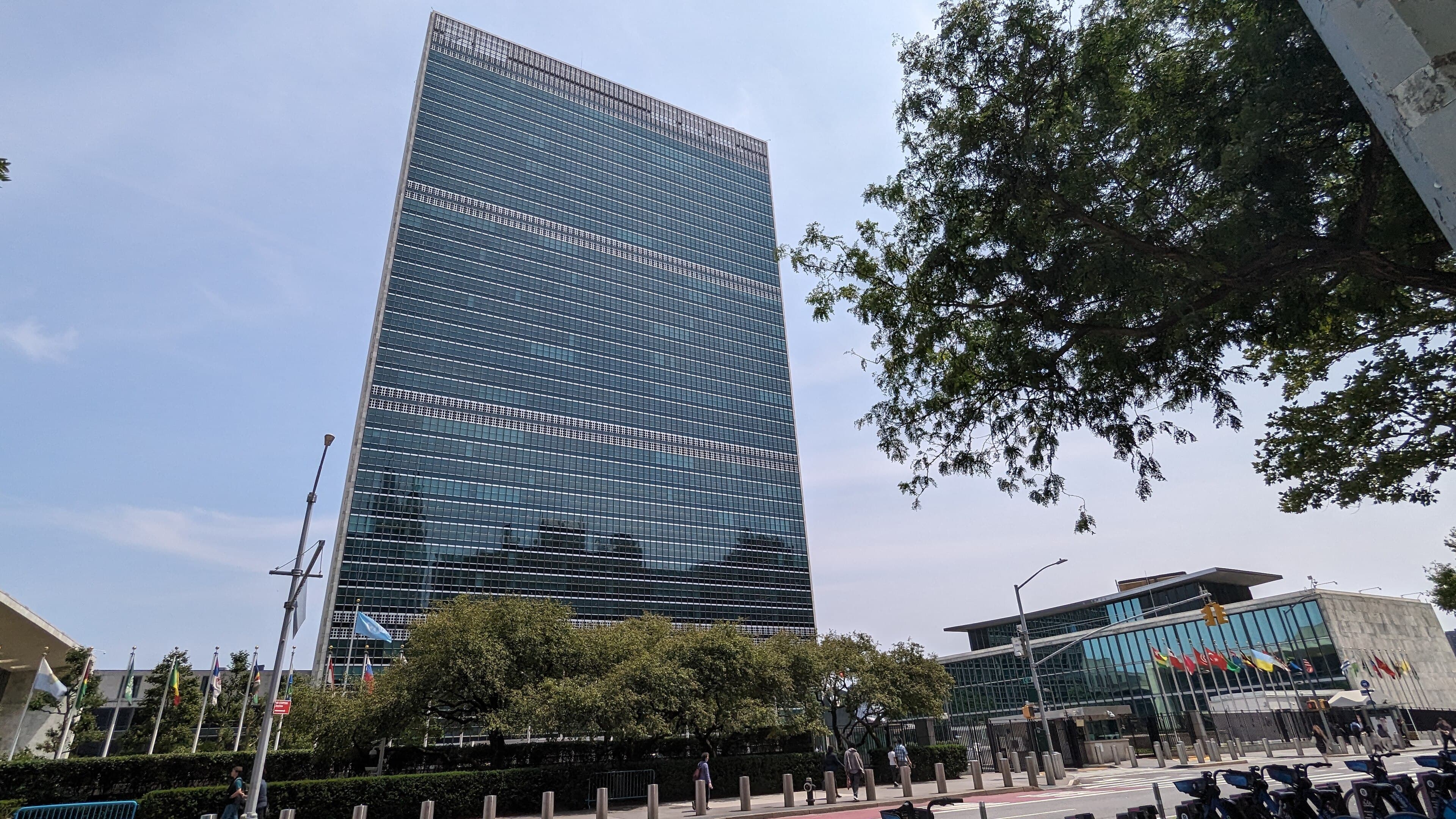
Pakistan's UN speech on Friday called for an end to military attacks in the Gulf and a renewed push for diplomacy, as the United States and Iran accused each other of threatening maritime security during a Security Council debate. Pakistan's Permanent Representative to the United Nations, Ambassador Syed Haider Shah, told the Council that the fighting must stop and that normal shipping must be restored. The debate also showed how far apart the Gulf Cooperation Council (GCC), Iran and the United States remain on who is responsible for the violence.
Timeline: what has happened so far
- June 13, 2025: Iran's ambassador cited this date as the start of what he called an unprovoked war launched by the United States and Israel.
- February 28, 2026: Iran's envoy gave this as the second date of attacks on Iran by the United States and Israel. The GCC said its members had faced more than 7,000 Iranian missiles and drones since this date.
- 2026: Security Council Resolution 2817, which demanded that Iran stop attacks on shipping and neighbouring states, drew 136 co-sponsors, according to the US ambassador.
- Friday: the Council met on attacks against shipping and threats to maritime security.
Competing accounts at the Council
Iran's Ambassador Gholamhossein Darzi said Western members were ignoring how the confrontation began. He said the insecurity around the Strait of Hormuz follows from the attacks on Iran, which he described as violating international law. Darzi put Iran's death toll at 5,000, including 254 children, and said Tehran remains committed to peace while Washington should end military action and lift what he called unlawful coercive measures. He rejected Resolution 2817 as politically motivated.
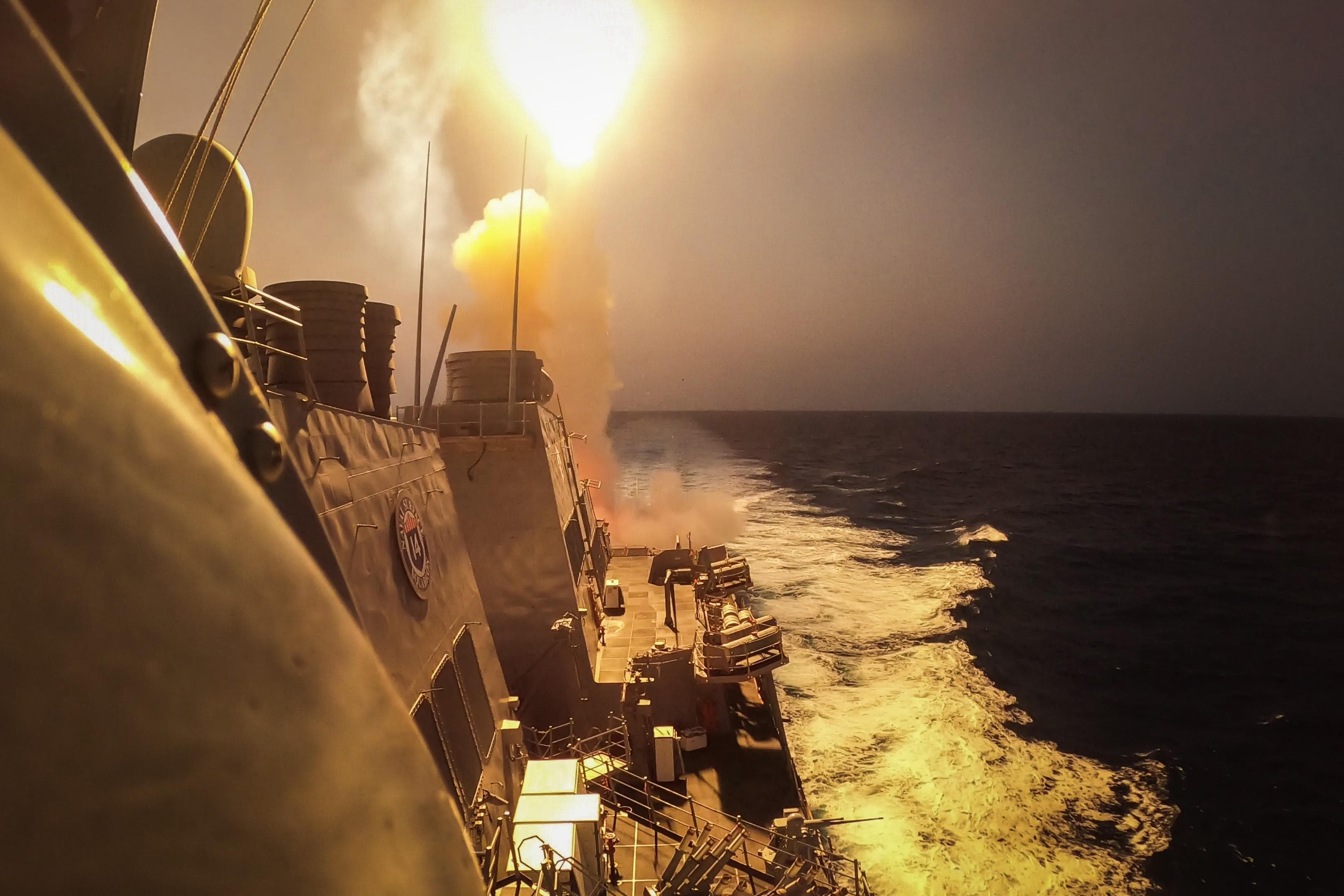
The US ambassador, Jennifer Locetta, gave a very different account. She accused Iran of attacking its neighbours, firing on commercial ships and arming proxies, and pointed to Iranian missiles, drones and mines in Hormuz along with attacks in the Bab el-Mandab Strait. She also accused the Houthi group of attacking Saudi airports and energy sites with Iranian backing, and of imposing an embargo on shipping through Bab el-Mandab, which she said breaks several Council resolutions. She urged members to hold Iran to account.
Gulf states and Pakistan's call
GCC Secretary-General Jasem Mohamed Albudaiwi said Gulf countries had faced more than 7,000 Iranian missiles and drones since February 28, aimed at airports, ports, oil and gas sites, power stations, desalination plants and homes. He said the strikes had killed and wounded people, damaged property and infrastructure, and caused environmental harm, and he asked the Council to act so they stop. Speaking for the bloc, Bahrain's Ambassador Jamal Fares Alrowaiei welcomed mediation by Oman, Qatar and Pakistan, and said Gulf states must take part in any talks on regional security.
Pakistan's UN speech went further on the Houthi attacks. Ambassador Shah condemned Houthi strikes and threats against Saudi Arabia, including strikes on civilian infrastructure and vessels in lawful trade, and reaffirmed support for the kingdom's sovereignty and territorial integrity. He warned that threats to shipping endanger seafarers and worsen energy and food insecurity, especially in vulnerable economies, and urged all parties to keep communication channels open and back the UN secretary-general's good offices.
The positions remain far apart. Gulf states want a role in any talks, Iran wants US military action to end and coercive measures lifted, and Washington wants Iran held accountable. Against that backdrop, Pakistan's appeal to keep channels open and support UN mediation is the most direct diplomatic step in its remarks, and it sits within wider Gulf tensions that continue to threaten trade and energy flows.
Aasan alfaaz mein
Pakistan ne UN Security Council mein Gulf mein hamlay rokne aur diplomacy ko aage barhane ki apeel ki. America aur Iran ek doosre par Gulf ke khatre ka ilzam laga rahe hain, aur GCC mulkon ne kaha ke unhein bohat zyada hamlon ka saamna raha hai. Aam Pakistani ke liye iska matlab yeh hai ke agar Hormuz mein jahazon ki awaajahi mushkil hui to tel aur ghar ke kharche par dabao barh sakta hai. Dono taraf ke mauqif abhi bohat mukhtalif hain, isliye taza khabron par nazar rakhna zaroori hai.