The Trump administration is set to introduce new US AI chip export controls that reach data centres outside the country. The aim is to stop firms, particularly those in China, from getting around existing limits by remotely using computing power located abroad. The measure takes the form of an interim rule, a temporary regulation that applies while a final version is still pending, and it was due to be rolled out on Monday, 16 November 2026.
What the interim rule covers
Under the rule, the Commerce Department, the US agency that oversees trade and export licensing, will require firms to obtain a licence before they export, re-export or transfer AI chips and servers to data centres anywhere in the world, if those facilities may provide computing power to businesses in China or in other countries under restriction. Current US rules already demand licences for shipments to companies based in, or owned by businesses in, a group of embargoed countries that includes China, Russia, Iran and North Korea. These US AI chip export controls apply the same logic to remote access, including indirect access through go-betweens or brokers.
The threshold covers data centres or networks able to supply more than 12 million total processing performance (TPP), a US export-control measure of computing power. In practical terms, that level is roughly the power of about 750 Nvidia H100 or H200 chips. Exporters and operators must also check who owns and controls their customers, so that none falls under the control of someone tied to the embargoed group.
The rule also adds licence requirements for chips sent to Malaysia, Singapore, Indonesia, Thailand and Brazil. The Commerce Department said these countries carry a higher than usual risk of diversion, meaning chips could be redirected elsewhere. For those five countries, the licence requirement does not apply to chips destined for companies based in the US.
Existing data centre operators whose services fall under the rule have 90 days after it takes effect to secure licences. The rule does not reach commercial recommendation systems, such as those used by e-commerce sites or social media platforms.
Why the move comes now
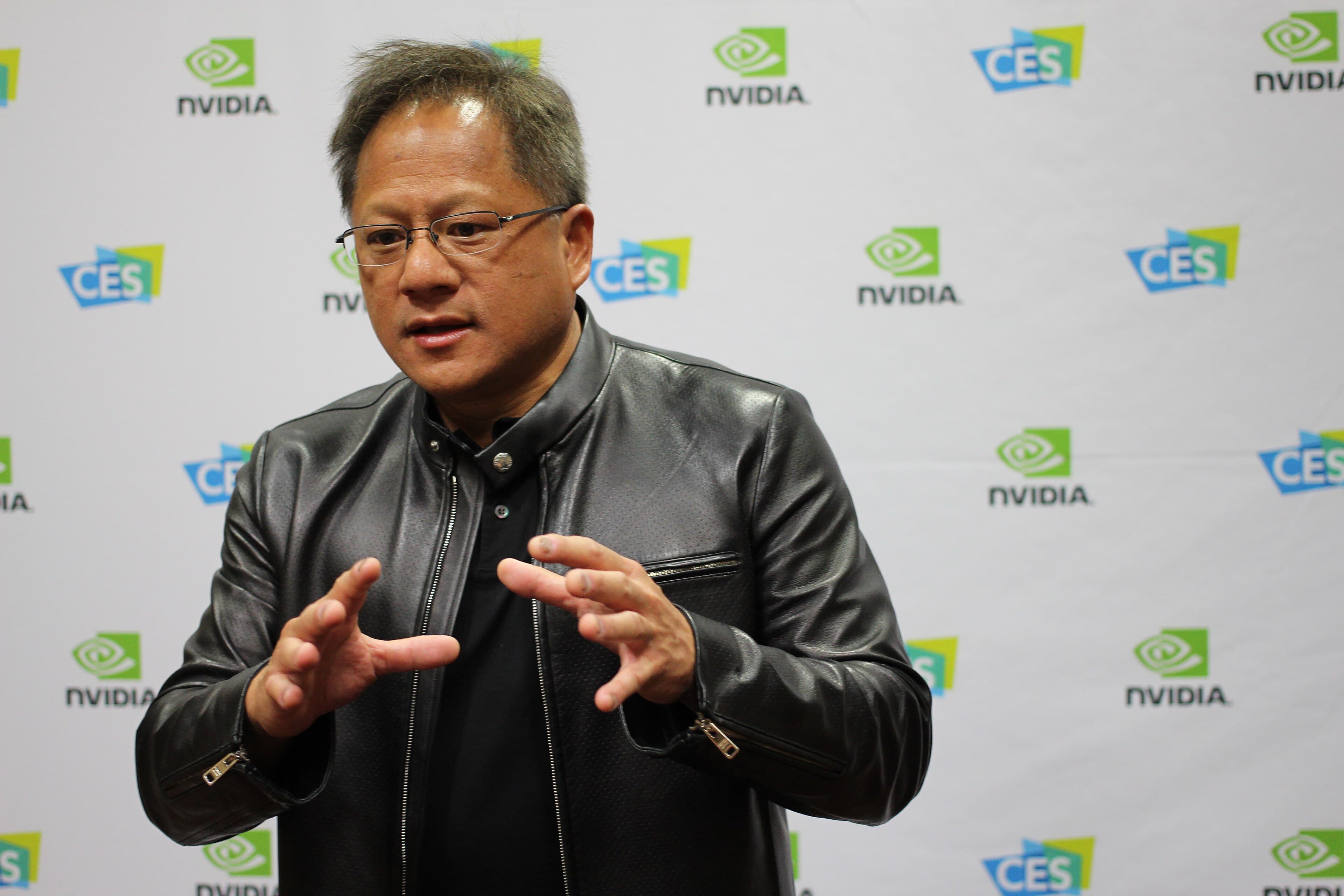
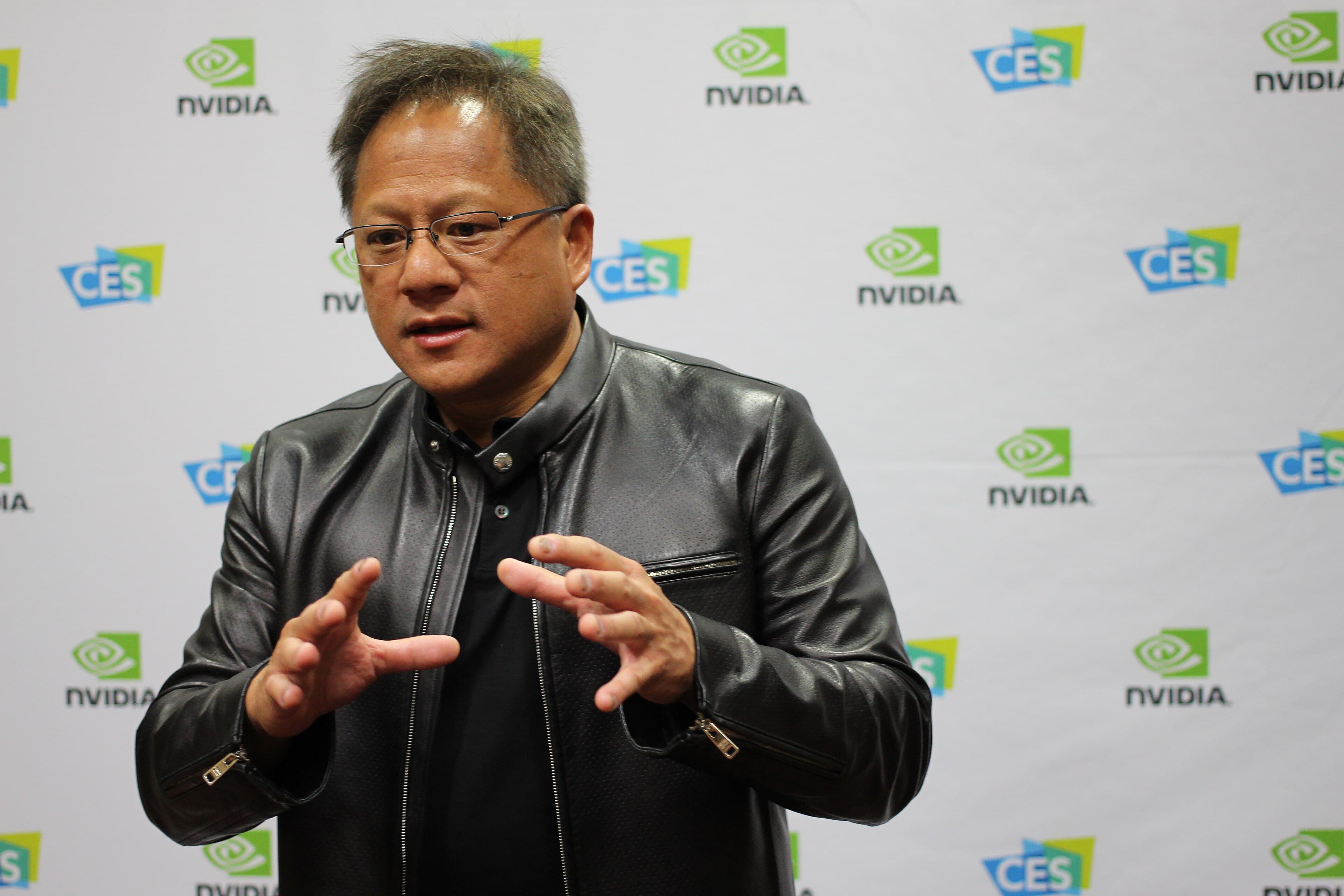
The measure sits within the wider US-China tech war, a running contest over advanced technology between Washington and Beijing. It arrives only days after Jensen Huang, a co-founder of Nvidia, stepped down in a case involving an alleged Chinese spy and one of the chipmaker's customers. Reports say Washington has wanted to place that customer, Megaspeed, on a special entity list, because it allegedly acquired many Nvidia processors and rented their power to Chinese businesses in a way that sidesteps existing curbs. These details are unconfirmed.
Earlier reports also indicate that companies in China are scrambling for overseas computing capacity, worried that US curbs could tighten. The rule presents the change as a natural extension of current controls. It says companies based in states of concern would find advanced American chips harder to use for training large AI systems, and it warns that access to certain computing power could help build models that support military and intelligence work, threatening America's security and foreign policy goals. The rule also rescinds the AI Diffusion Rule, which dates from January 2025 and set country-level limits on advanced AI chip exports.
Timeline: what has happened so far
- January 2025: The Biden administration's AI Diffusion Rule, which set country-level limits on advanced AI chip exports, is in place.
- May 2025: The Trump administration says it will scrap that framework, saying it created needless burdens for American businesses and allies.
- Days before the new rule: Jensen Huang, a co-founder of Nvidia, resigns amid a scandal involving an alleged Chinese spy.
- Last week: Reports say Chinese companies are rushing for computing capacity overseas, fearing tighter US restrictions.
- 16 November 2026: The Trump administration is due to roll out the interim rule on Monday.
Aasan alfaaz mein
America ne AI chips aur servers ki export par nayi shartein lagayi hain, taake China ki companies dusre mulkon ke data centres se remotely computing power na le saken. Naye interim rule ke tehat in chips ke liye licence zaroori hogi, aur Malaysia, Singapore, Indonesia, Thailand aur Brazil par bhi alag shartein lagi hain. Aam Pakistani ke liye seedha asar, jaise bijli ya online shopping ki qeemat, mojooda reporting mein nahi bataya gaya. Yeh faisla zyada tar bade AI infrastructure aur tech trade se mutaliq hai.