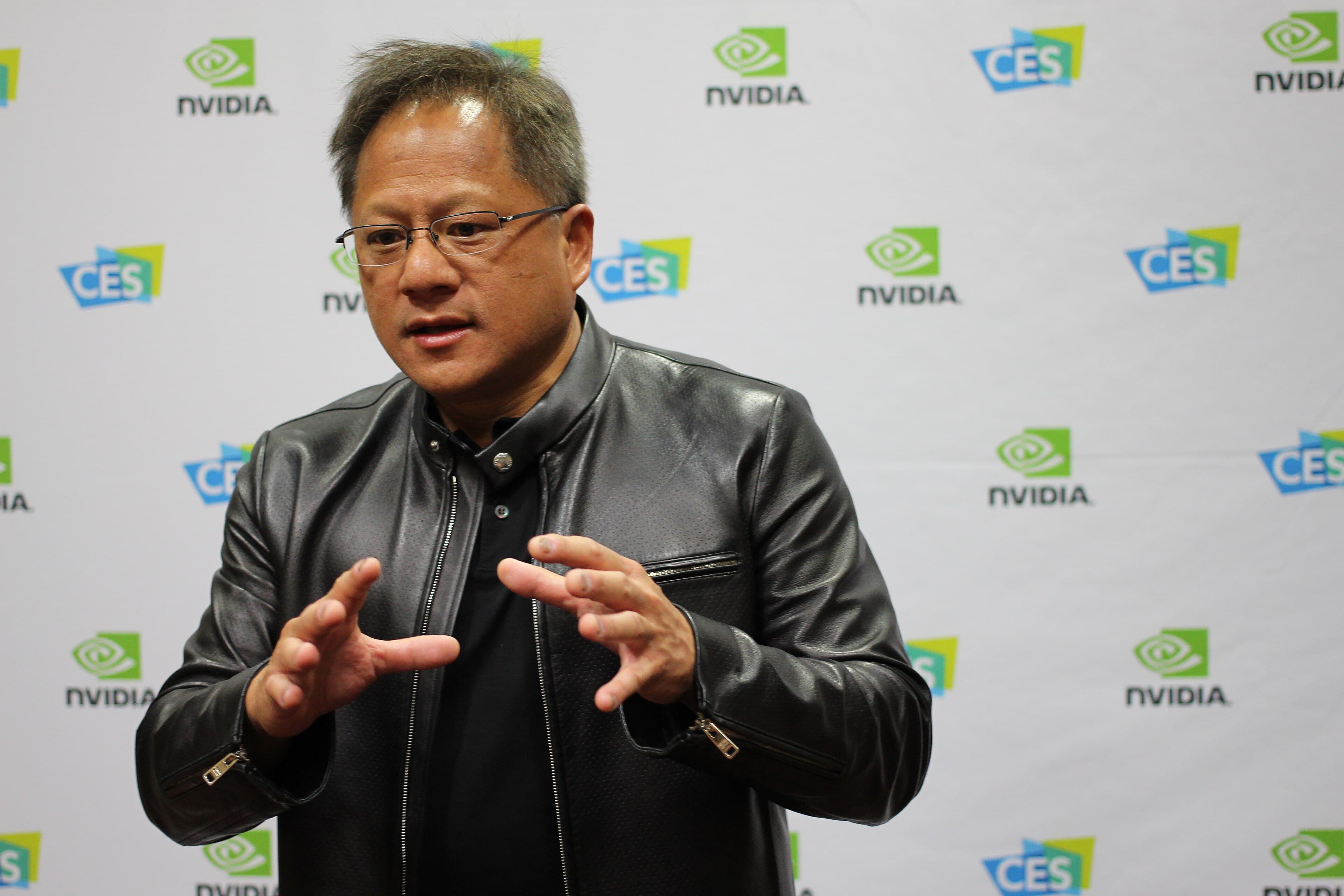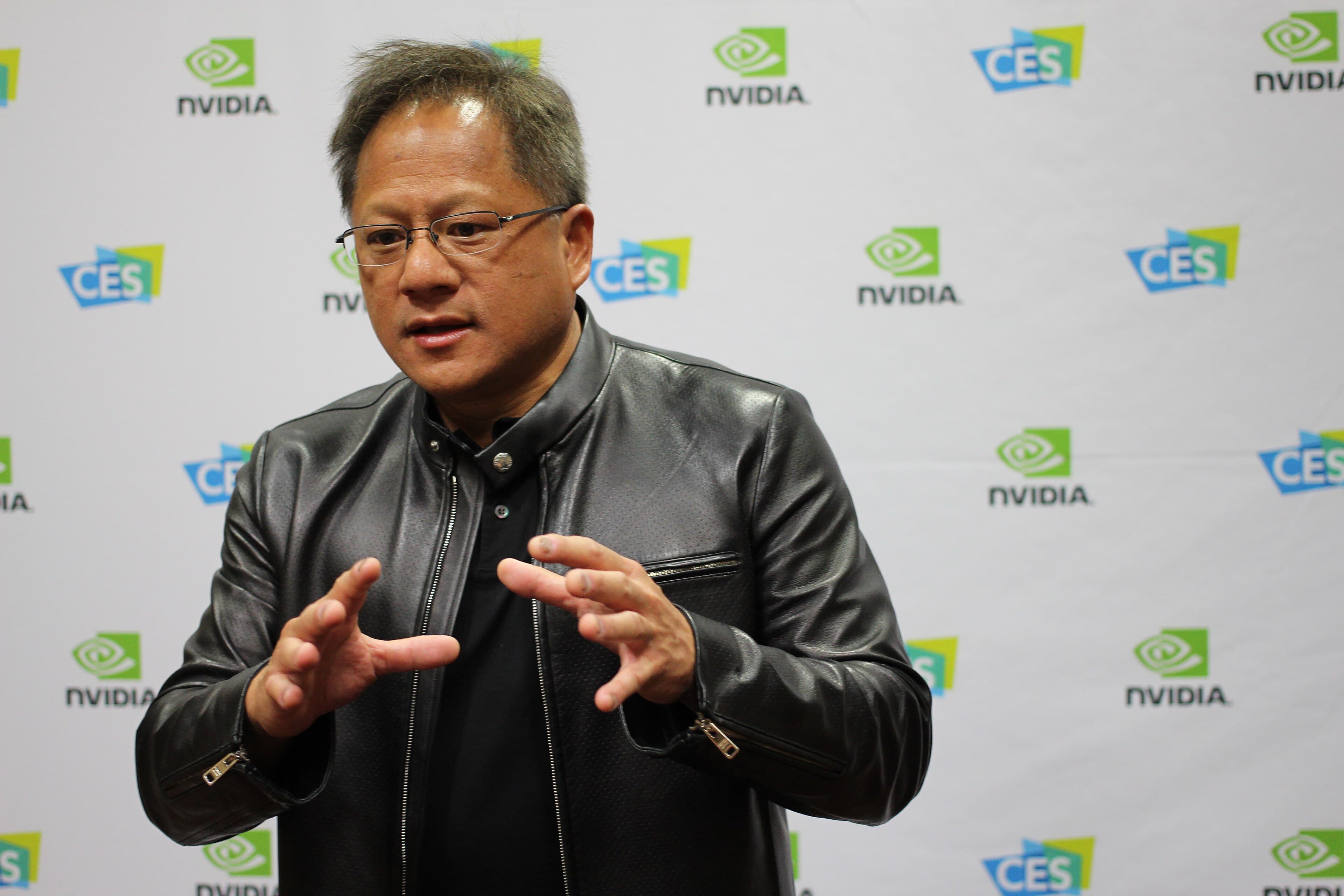
Jensen Huang resigned as founder and chief executive of Nvidia on Thursday, ending 33 years in the role, after reports of extramarital affairs and a close relationship with a woman US officials suspect of spying for China. In a letter to employees, Huang admitted he had been unfaithful to his wife of 41 years. The resignation has hit Nvidia, the $4 trillion chip company at the centre of the AI boom, and investigations into what went wrong are still under way.
A report from a major US newspaper first described the relationship with the woman, and reports say Huang had two further affairs with Nvidia employees. Nvidia did not comment on questions about the affairs, or on when the company learned of his involvement with the alleged spy. The Chinese government has denied any role in the affair or in corporate espionage, and a foreign ministry spokesperson called the reports “nothing but a smear against China”.
Markets and the company’s position
The Nasdaq fell 4% immediately after the resignation, and Nvidia lost hundreds of billions of dollars in market value during the week. The episode has thrown the company into crisis and cast a shadow over the AI boom, which has grown alongside geopolitical competition with China. Other technology firms have also been quiet on the matter: OpenAI, Meta and Google did not return requests for comment on their security practices.
Honeypot traps and the security question for AI firms
Security experts say the tactics are not new, though they describe the affair as a serious failure of corporate oversight. A honeypot is a trap in which a spy or foreign intelligence asset pursues a sexual relationship with company staff to gain information or leverage. Reports say OpenAI has run training sessions built around honeypot scenarios. Don Aviv, chief executive of the corporate intelligence firm Interfor International, said his firm alone had carried out around a dozen investigations for significant companies over the past three years into honeypots, coercion or blackmail.
Randy Watt, head of the threat assessment firm SRW, said: “The honeypot style trap is as old as the earth itself.” Huang has also spoken about AI safety. In an interview with a business television channel on 14 October, he said he would halt chip supplies to a customer developing unsafe AI software, though he does not believe current concerns about the technology are warranted. Silicon Valley has a long record of espionage as well: former FBI special agent Rick Smith said Soviet intelligence officers operated from the Russian consulate in San Francisco during the 1970s and 1980s.
Timeline: what has happened so far
- 14 October: Huang tells a business television interview he would halt chip supplies to a customer developing unsafe AI software.
- The weekend before publication: Huang admits to unfaithfulness in a letter to employees, after a report about his relationship with a woman US officials suspect of spying for China.
- Thursday, this week: Huang resigns after 33 years as CEO, amid reports of two additional affairs with Nvidia employees.
- This week: The Nasdaq falls 4% immediately after the resignation, and Nvidia loses hundreds of billions in market value.
- Earlier this week: China’s foreign ministry calls the reports “nothing but a smear against China”.
Aasan alfaaz mein
Nvidia ke founder Jensen Huang ne 33 saal baad CEO ka ohda chhor diya hai. Unhon ne ek khatoon ke saath taluqat aur do aur affairs ki khabron ke baad yeh qadam uthaya, jab ke China ne kisi bhi jasoosi mein shamil hone se inkar kiya hai. Is se Nvidia ke shares aur Nasdaq mein girawat aayi, aur tech companies apne logon ki security par zyada dhyan de rahi hain. Aam Pakistani ke liye bill ya qeemat par seedha asar abhi nahi bataya gaya, lekin yeh kahani AI aur tech ki duniya mein jasoosi ke khatre ko samajhne mein madad karti hai.