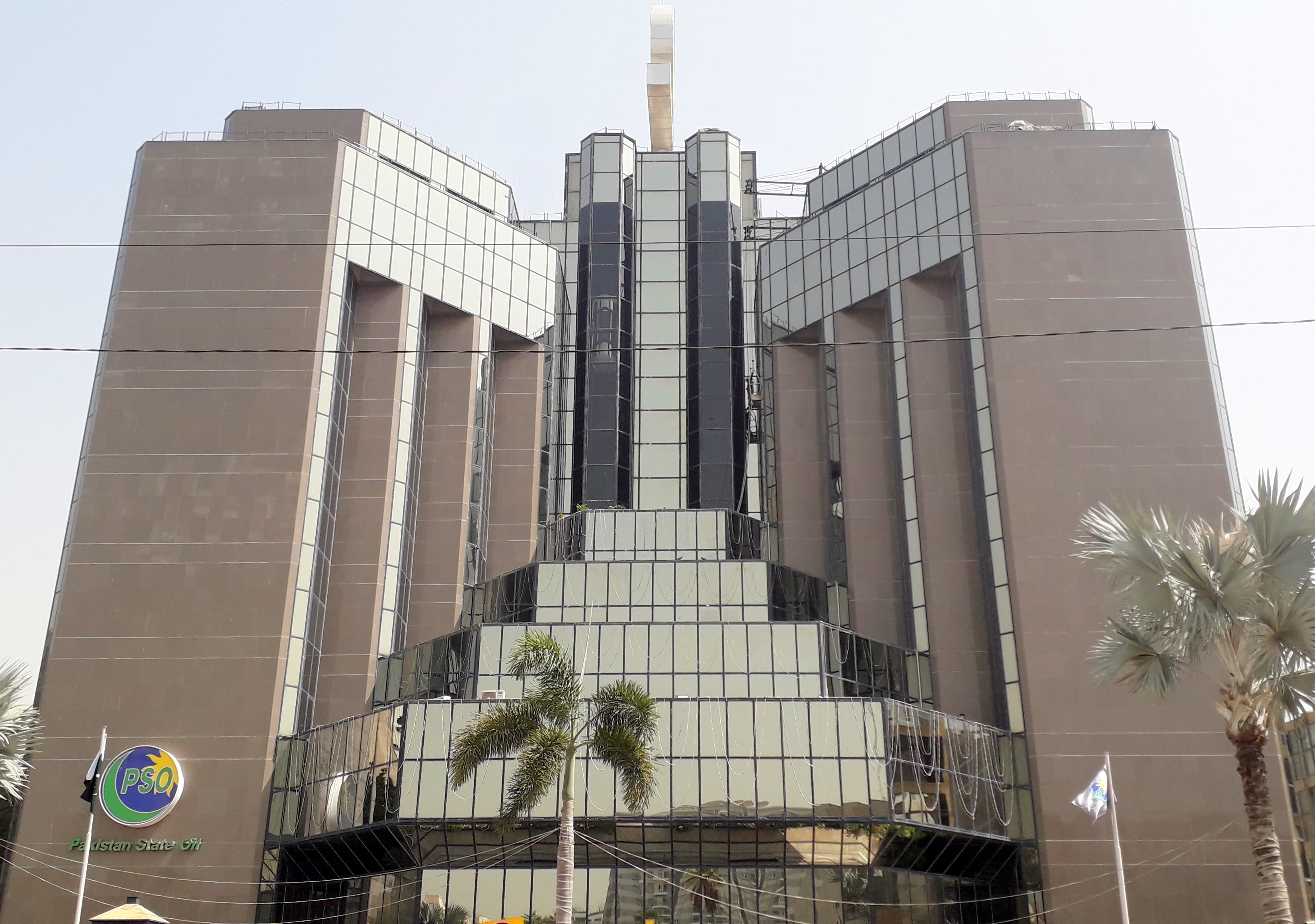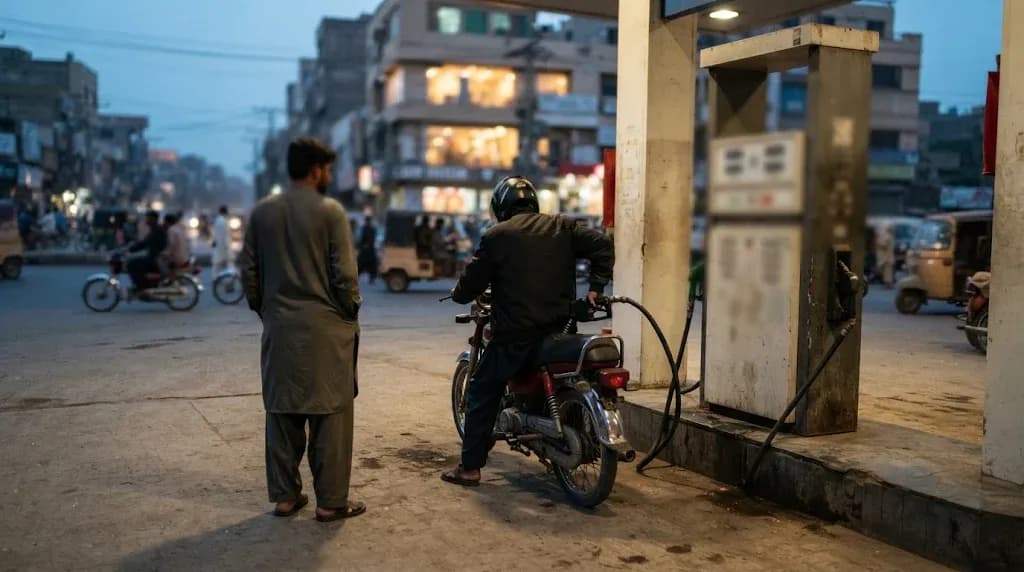
The State Bank of Pakistan says investment in the economy has been on a downward path for more than a decade. Its State of Pakistan's Economy (2025-26) report puts gross fixed capital formation (GFCF), the bank's main gauge of investment, at an average of 15pc of GDP in FY06-11, falling to 12.6pc in FY22-26. The story is illustrated with a photograph captioned as a view from Chundrigar Road, Karachi, but the street itself is not the subject of the report.
Where the decline is concentrated
The bank said most of the fall comes from private investment, and that it is sharpest in sectors that can lift productivity, expand exports and spread new technology. Large-scale manufacturing (LSM) and information and communication technology (ICT) recorded the largest drop in their investment-to-GDP ratio. The bank described the trend as concerning, because manufacturing, modern tradable services and logistics bring together capital, skills and technology. Moving investment away from these areas, it warned, slows productivity growth, narrows export diversification and reduces demand for skilled workers.
Constraints and tax treatment
The report lists several structural and policy problems that discourage investment in productive sectors, especially manufacturing and export industries. High tariffs and para-tariffs, which are extra charges applied alongside tariffs, raise the cost of inputs such as raw materials and machinery. The bank linked a 1pc rise in protection on these inputs with a 0.63pc fall in the revenue-based productivity of downstream firms and a 0.51pc drop in their sales.
Protection for finished goods also makes the domestic market more attractive than exporting. A World Bank study cited in the report puts Pakistan's exports at 10.4pc of GDP in 2024, well below regional peers and roughly half their potential. Limited long-term finance, heavy public borrowing, policy uncertainty, complex regulations, unreliable energy, weak logistics and limited worker training add further costs.
The report also points to property. Favourable tax treatment of real estate makes buying property more attractive than investing in manufacturing or tradable services, and low effective property taxes encourage speculative purchases of plots.
Aasan alfaaz mein
State Bank ne kaha hai ke Pakistan mein sarmaya GDP ke 15 fisad se kam ho kar 12.6 fisad reh gaya hai. Factories aur technology wale shobon mein sarmaya sab se zyada kam hua hai, jis se naukriyan aur exports dono par asar pad sakta hai. Tariffs, kharab logistics aur property mein tax ki riayat ki wajah se paisa factories ke bajaye plots mein ja raha hai. Aam shehri ke liye iska matlab hai ke rozgar aur rozmarra ki cheezon ki qeemat par is ka asar dekha ja sakta hai.