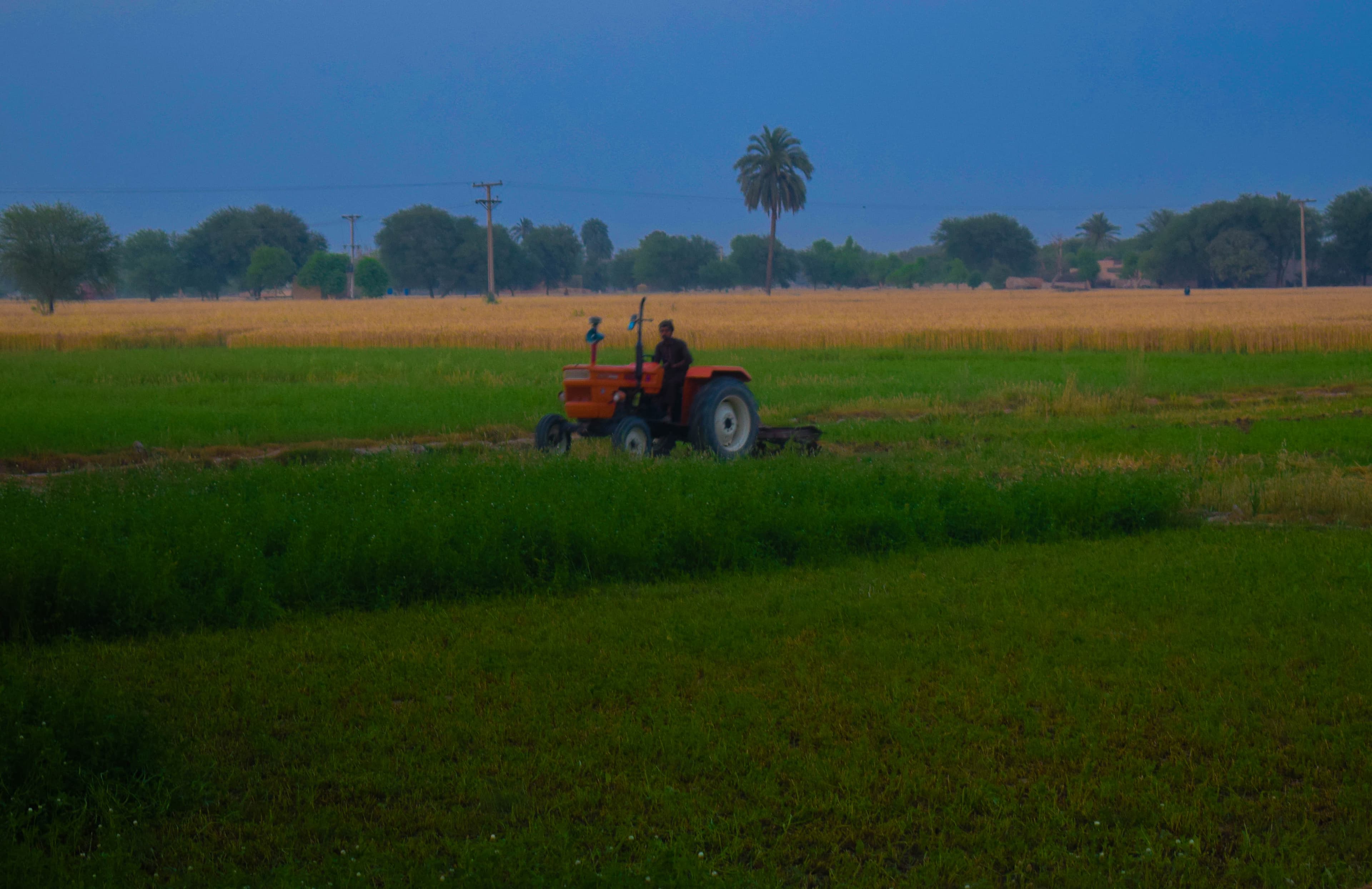
Sindh's agriculture income tax, enacted for FY25, is unlikely to bring a large rise in provincial revenue because it covers only income from crops. Earnings from livestock, fisheries and forestry fall outside its scope, so much of the agriculture economy remains untaxed. The Sindh Revenue Board (SRB), the province's tax agency, has set a target of Rs8bn from this tax for FY27.
Why the tax base is narrow
The Pakistan Economic Survey 2025–26 estimated that crops contributed 7.9 per cent to GDP, the total value of goods and services produced in the economy. Official accounts do not break agriculture down by province, but national figures show livestock at 63.5 per cent of agriculture's value addition, followed by crops at 34 per cent, forestry at 3 per cent and fisheries at 1.4 per cent. Taken together, the three sectors outside the tax account for about 68 per cent of that value, a figure we derived by adding those shares.
Experts also warned that leasing farmland weakens tax compliance. One observer, who asked not to be named, said rental income is not taxed in Sindh, so landowners could describe earnings from leased land as rent rather than taxable agriculture income.
Collections, targets and port revenue
The SRB collected Rs1.4bn in agriculture income tax in the first quarter, already more than the Rs1.03bn it collected across all of FY26. Even if the Rs8bn target is met, the amount would equal 1.2 per cent of Sindh's Rs690bn tax revenue target for FY27. A source said an internal World Bank assessment reportedly puts the province's current potential at around Rs14bn, but this figure has not been officially confirmed.
Abdul Hameed Memon, senior member of the SRB, said the agency collected Rs116bn in the first four months of the current fiscal year, up 15.5 per cent from Rs100bn in the same period last year. On ports, he said higher cargo volumes and vessel traffic do not automatically raise collections, even though port and terminal operators are major taxpayers. Export-related exemptions, transshipment concessions, disputes between federal and provincial tax authorities and contested pass-through charges limit taxable revenue, he said. Input tax adjustments, litigation and delayed assessments also affect collections.
Service sector and the cabinet
A tax expert said several high-end businesses in affluent urban areas deserve closer scrutiny, including premium pet hospitals, boutique eye and dental clinics, cosmetic surgery centres, luxury spas, art galleries, upscale marriage halls and premium coaching centres. He said the challenge is not necessarily to impose new taxes, but to identify underreported transactions and enforce existing obligations. Digital invoicing, electronic payments and data-sharing between tax authorities could help, he added, but any wider tax base must separate services the SRB can tax from income or property receipts under federal or other provincial jurisdiction.
A Sindh government insider said provincial tax authorities submit pre-budget proposals to the cabinet each year. The cabinet, fearing backlash, routinely rejects most of them on one pretext or another, the insider said. It remains to be seen whether collections keep pace with the FY27 target.
Aasan alfaaz mein
Sindh mein zarai amdani par tax abhi sirf fasal ki kamai par lagta hai. Livestock, machhli aur forestry ki kamai is mein shamil nahi hai. SRB ne FY27 ke liye Rs8bn ka target rakha hai, jo Sindh ke Rs690bn tax target ka sirf 1.2 fisad banta hai. Is ka matlab hai ke tax ka daira abhi chhota hai, aur target tak pohanchne ke liye collection mein izafa zaroori hoga.