Pakistan's central bank expects the economy to grow between 3.5 and 4.5 percent in FY27, the fiscal year that began in July 2026. That range is a little below the government's target of 4.0 percent. The annual report of the State Bank of Pakistan (SBP) sets out the Pakistan GDP growth forecast 2027, saying growth should hold up as earlier monetary easing and tax relief take effect. The same report warns that inflation will stay above target and that oil prices and the El Nino weather pattern are the main risks.
Growth and inflation outlook
The SBP said the economy has entered the new fiscal year on firmer ground than during the Russia-Ukraine conflict in FY22, which leaves it better placed to absorb global supply shocks. Continued engagement with the International Monetary Fund (IMF), along with stronger fiscal and external buffers, has lowered Pakistan's risk premium, which is the extra return lenders demand for lending to a country. Two rating agencies have recognised the improvement. Moody's raised the sovereign rating from Caa1 to B3 on August 24, 2026, and S&P Global moved it from B- to B on July 22, 2026, and both keep a stable outlook.
Growth momentum is expected to come from the delayed effect of earlier monetary easing, a pickup in domestic demand and fiscal support for industry. Indicators such as car sales, cement dispatches, electricity generation and consumer financing have already improved, the bank said. The FY27 budget also brings tax incentives, including lower super tax, cuts in import tariffs, reduced taxes on property transactions and on export proceeds, and a revised tax treatment for salaried employees.
Inflation, however, is seen averaging 5.5 to 7.5 percent in FY27, above the medium-term target band of 5.0 to 7.0 percent. That projection assumes oil at $80 a barrel and will be updated in January 2027 if oil prices or other developments shift. The bank expects the global energy shock to keep pushing prices up, but says the government's move to weekly petroleum price reviews in March 2026, followed by daily adjustments from July 2026, should let international oil costs pass through more smoothly. Wheat imports have also been allowed to ease food supply gaps.
Oil, reserves and risks
On the external side, the current account deficit, which is the gap between what the country earns from abroad and what it pays out, is projected at 0 to 1.0 percent of GDP. The government's own target is 0.7 percent. Imports are expected to climb to $70.5-71.5 billion, while exports should recover gradually to $32.0-33.0 billion and remittances from workers abroad are put at $44.5-45.5 billion.
Reserves are the other side of the picture. A $3 billion Eurobond, which is a bond sold to international investors, was issued in September 2026 after the rating upgrades. Together with the SBP's foreign exchange purchases and expected official inflows, the bank projects reserves reaching $25 billion, moving toward four months' worth of imports. The government has set a goal of $23.0 billion for end-December 2026.
The fiscal deficit, the gap between government spending and revenue, is projected at 3.0 to 4.0 percent of GDP against a 3.6 percent target. Fiscal consolidation and power sector reforms should keep spending moderate, while tighter tax enforcement and a wider tax net should support collection.
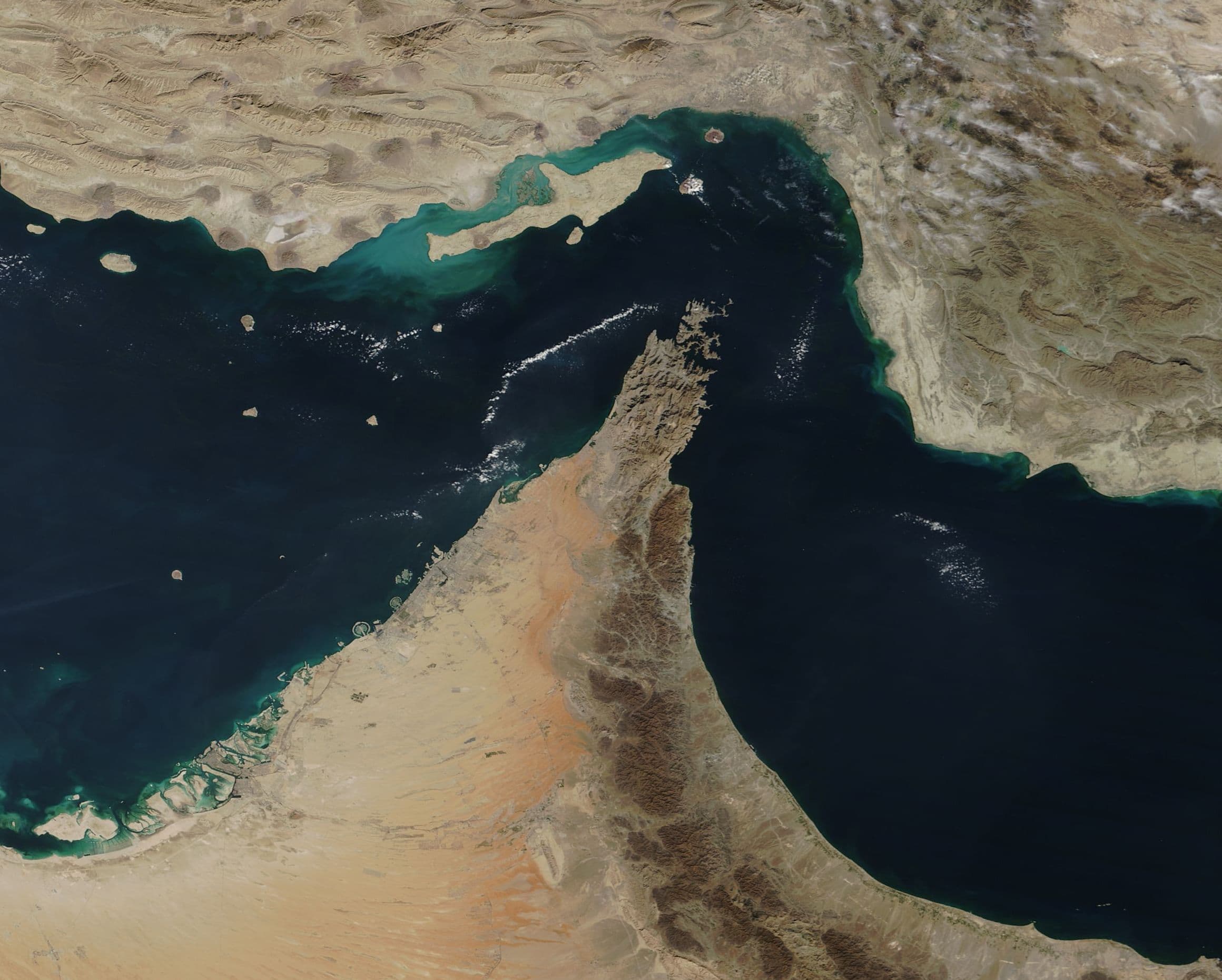
The central bank cautioned that the outlook is exposed to the ongoing Middle East conflict, new trade blocks and climate change. A prolonged conflict could disrupt supply chains and raise input costs, and weaker economic conditions in the Gulf Cooperation Council (GCC) states could reduce remittances. It also flagged the recent India-EU free trade agreement as a possible factor for Pakistan's exports, and said weak investment in productive, export-oriented sectors could hold back growth and job creation.
On agriculture, the SBP said worsening El Nino conditions pose a risk, since this climate pattern can disturb rainfall and temperatures. Early information, however, points to higher output of major kharif, or summer-season, crops such as sugarcane, rice and maize than a year earlier. The bank says it remains committed to price stability and sustainable growth through careful, evidence-based decisions.
Aasan alfaaz mein
State Bank ke mutabiq FY27 mein Pakistan ki maeeshat 3.5 se 4.5 percent tak barh sakti hai, lekin mehngai target se upar rehne ka andaza hai. Tel ki qeemat aur El Nino ka mausam bade khatre hain, is liye ghar ke kharche par nazar rakhna zaroori hai. Aam aadmi ke liye iska matlab hai ke rozmarra ki cheezein abhi bhi mehngi reh sakti hain, lekin kuch acchi nishaniyan bhi hain.