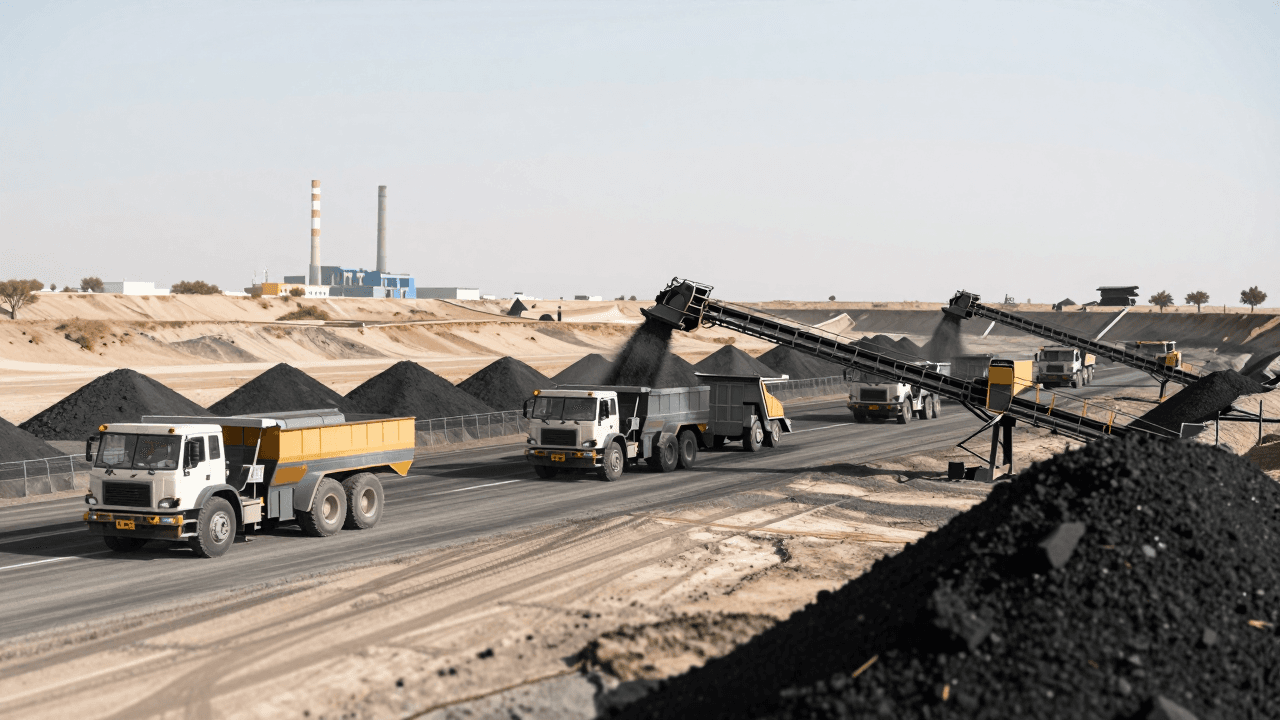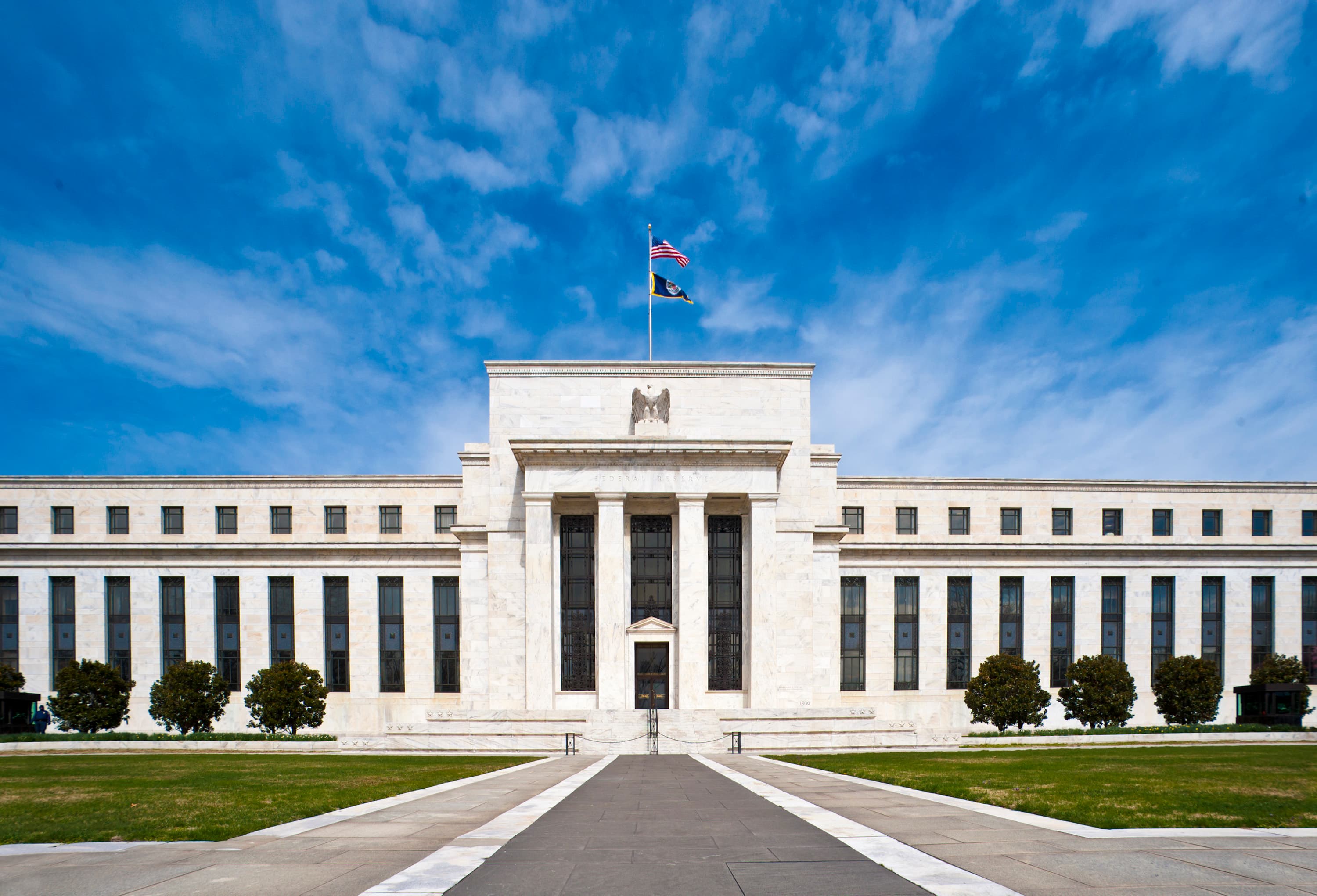
The State Bank of Pakistan (SBP), the country's central bank, has warned that Pakistan is at risk of premature deindustrialisation. This is a process in which manufacturing loses its role as a driver of growth and jobs before the economy has reached the income and productivity levels that usually accompany such a shift. In its Annual Report on the State of Pakistan's Economy for FY2025-26, the bank said the country either is approaching this stage or has already entered it. (Pakistan's financial year runs from July to June.)
Manufacturing has stalled for decades
The report says manufacturing value added, the amount of economic output the sector creates, stayed largely stagnant between 1960 and 2023. It rose slightly until the mid-1990s and then declined gradually. Manufacturing employment has grown slowly since the 1990s and has been largely flat since 2017.
Meanwhile, the economy is shifting toward low-value services without a matching expansion in factories, which limits productivity gains and export diversification. The SBP also said gross fixed capital formation, the money spent on buildings, machinery and equipment, fell from an average of 15% of GDP in FY2006-11 to 12.6% in FY2022-26. Most of the drop came from private-sector investment, and it was steepest in large-scale manufacturing and information and communication technology.
Tariffs, energy and finance hold back industry
The bank pointed to several constraints that discourage businesses from investing. High tariffs on raw materials, intermediate goods and capital equipment raise production costs, while the tariff structure favours finished goods over exports. Firms also face limited access to long-term financing, unreliable energy supplies, weak logistics and regulatory costs. The tax treatment of real estate, the SBP noted, pushes investment toward property rather than manufacturing.
Iron and steel output contracted for the fourth year in a row in FY26, which the SBP mainly blamed on high energy costs, especially electricity tariffs. Finished steel imports rose by 27.4%, and capacity use in long steel products fell from above 50% in FY22 to around 30% in FY25, according to industry data cited in the report. Chemicals output fell for a second straight year, partly because of higher gas prices and lower gas supplies, which also affected fertiliser production.
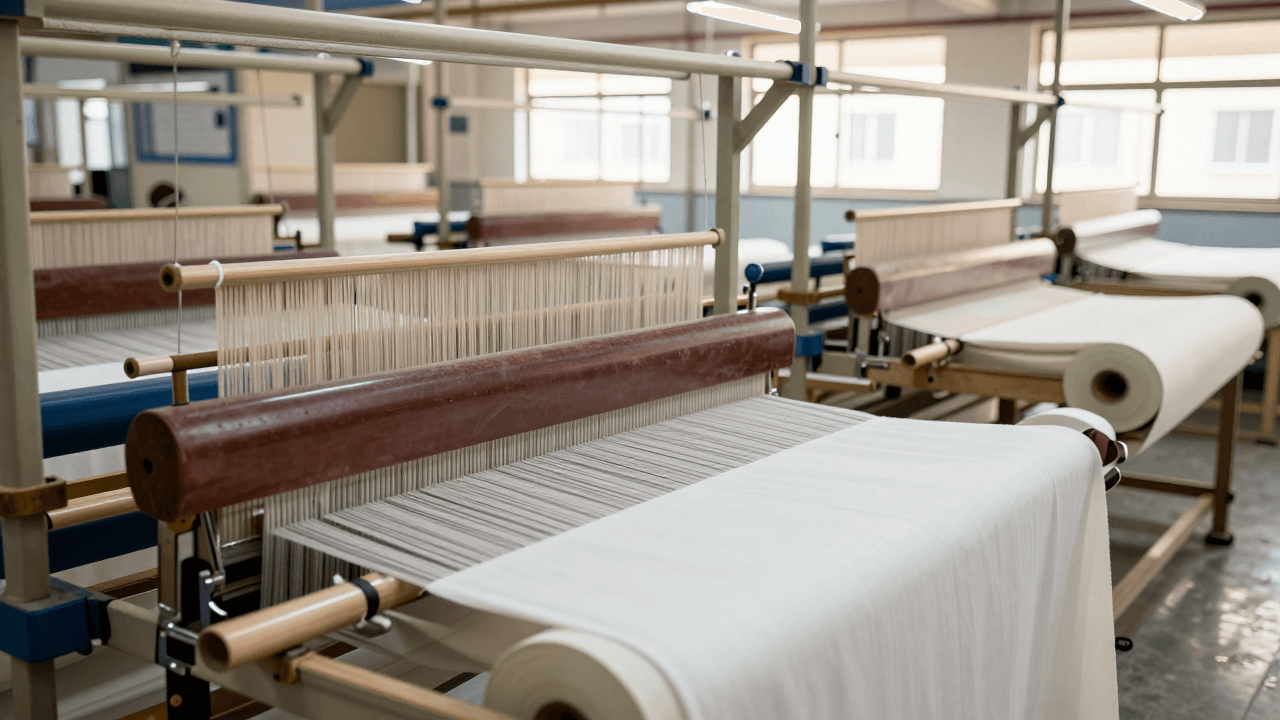
Textile exports grew by only 0.3% in FY26. Apparel exports rose by 1.3%, but the report said that growth largely reflected higher prices, while export volumes declined. Textile volumes to the European Union rose by 0.9%, yet unit values fell by 8.2%.
Jobs and skills under pressure
Youth unemployment stood at 12.8% in FY2024-25, against an overall unemployment rate of 7.2%. The youth rate was 11.1% in FY2020-21, which the SBP read as a sign that rising labour-force participation has not been matched by enough jobs. Among people aged 25-34, the unemployment rate was 14.9% for women and 5.8% for men.
The report also flagged a mismatch between education and employers' needs, with shortages of skilled workers in some occupations and graduate underemployment in others. The SBP said the weak industrial base limits opportunities for skilled workers and pushes many people toward low-productivity agriculture, informal work and self-employment. Its warning therefore links factories, exports, energy costs and the quality of jobs.
Aasan alfaaz mein
State Bank ne khabardar kiya hai ke Pakistan mein factories ka kirdar kamzor ho raha hai, aur usay premature deindustrialisation kaha gaya hai. Investment GDP ke 15 fisad se gir kar 12.6 fisad reh gayi hai. Youth unemployment 12.8 fisad hai, is liye naye aur behtar productivity wali naukriyan dhoondhna mushkil ho sakta hai.