PPP Chairman Bilawal Bhutto-Zardari on Thursday opposed a referendum on new provinces, calling it the “most controversial” such vote in Pakistan’s history and arguing that Parliament could settle the question instead.
Speaking to reporters in Multan, he said he was still seeking views inside his party on the referendum idea but believed stakeholders would not accept it. “We can create a province through Parliament without wasting time on a referendum,” he said, warning that a public vote would only deepen the dispute. He favoured a democratic, constitutional and parliamentary path to build consensus.
Provinces, assemblies and PPP’s stance
Bilawal pointed to a Punjab Assembly resolution on creating a province passed under a PML-N government, and contrasted that with the Sindh Assembly’s repeated rejection of moves to divide Sindh. He said the PPP’s position was consistent across provinces and that he would support decisions taken by both the Punjab and Sindh assemblies.
He again opposed dividing Punjab and said he had never called for carving the province into four parts. On the referendum on new provinces, his message was that lawmakers—not a nationwide ballot—should handle the issue if political agreement can be reached.
Call for a democratic reset
Turning to the wider political climate, Bilawal said Pakistan needed a “reset” or “reboot” through democratic means so public trust could return and the country could face its challenges. “If we genuinely want the system to serve the people, we will have to take steps quickly,” he said, urging the government and opposition to talk about how to repair the system.
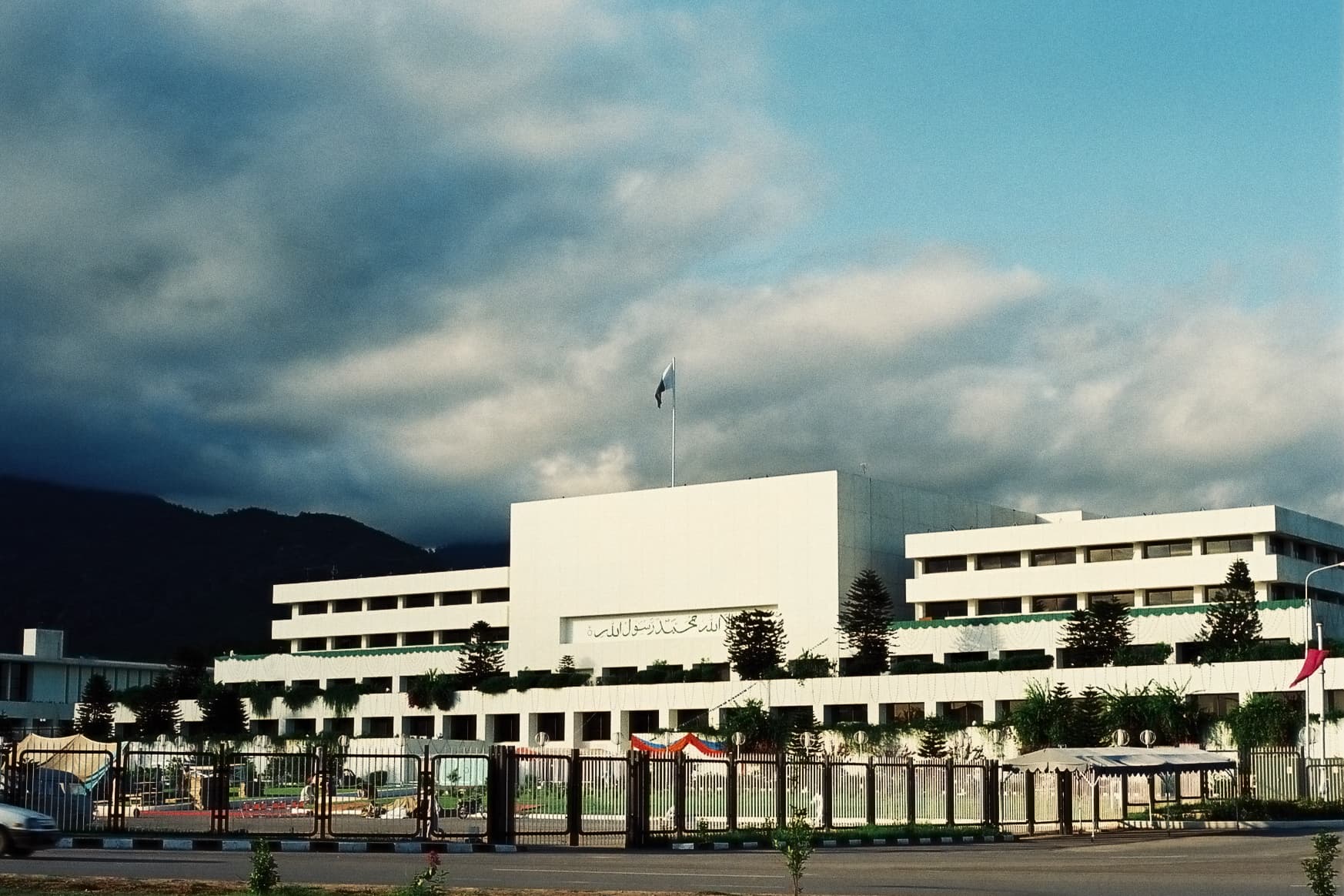
He argued that Parliament must work effectively and that major national decisions should be taken inside the legislature, saying decisions made outside it could not be treated as final. Political parties, he said, should first understand why the system had collapsed before trying to restore it. He claimed the 1973 Constitution—the country’s main governing charter—had been forced into collapse again and again rather than failing on its own, and he singled out the 18th Amendment as especially strong among constitutional changes.
Electoral reforms and constitutional amendments
Bilawal also urged opposition parties to consider joining the parliamentary committee on electoral reforms—the cross-party forum meant to fix election rules—arguing that polls would stay disputed while parties keep objecting to them. He noted that both ruling parties and the opposition had called the previous election rigged.
He said the opposition shared responsibility for a weak Parliament. He recalled efforts to build consensus on the 26th Constitutional Amendment and described the 27th Amendment’s passage with a two-thirds majority as a major achievement, adding that broader agreement makes amendments stronger. He clarified that he was not calling for the existing constitution to be thrown out.
Aasan alfaaz mein
Bilawal ne kaha hai ke naye provinces ke liye referendum bohot zyada jhagray wala hoga. Unke mutabiq Parliament ke zariye province banaya ja sakta hai. Woh Punjab ko chaar hisson mein baantne ke khilaf hain. Aam logon ke liye yeh matlab hai ke province aur election ke faisle unke numaindon ke debate se hon, seedha vote se nahi.