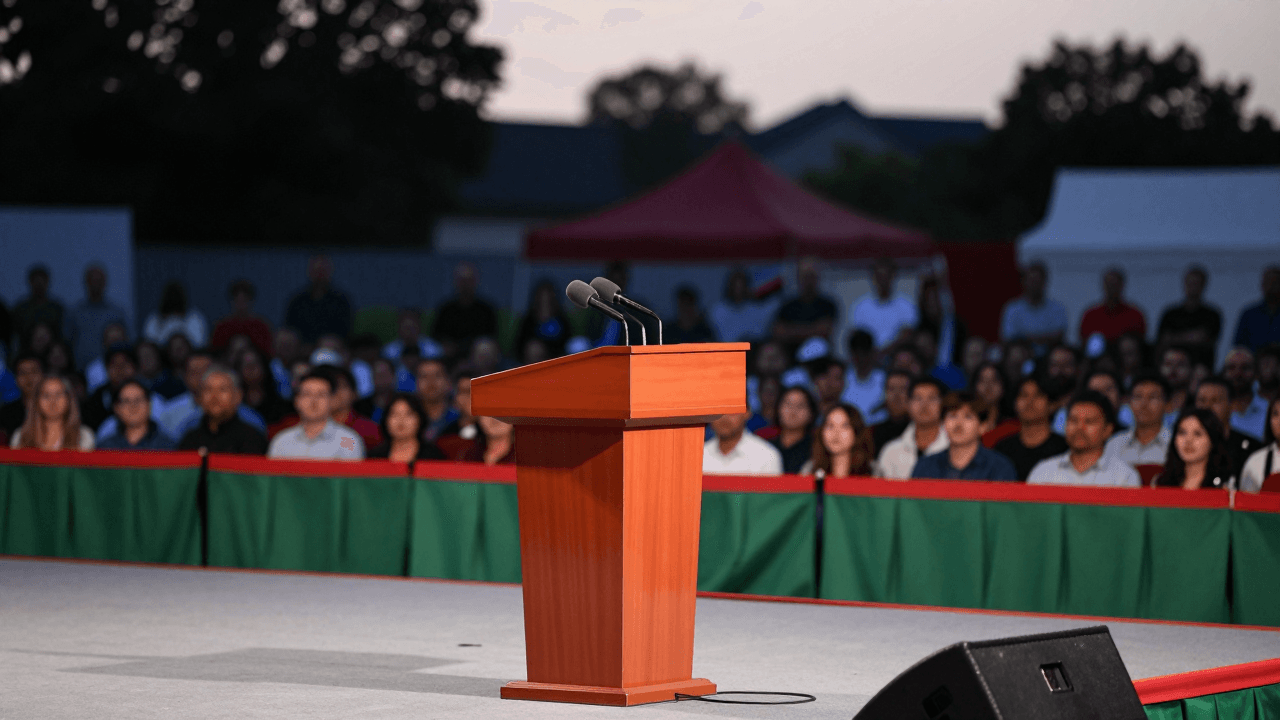
The Punjab Assembly has passed the Punjab Dramatic and Theatrical Performances Bill by majority vote. The law makes registration of performers, advance approval of scripts, licences for theatres and ongoing monitoring of performances compulsory across the province. Opposition members have strongly criticised the bill, while the provincial minister for information and culture has defended it as a way to regulate the industry rather than ban it.
What the bill requires
Under the bill, every performer, director, producer, choreographer and other person involved in a play or theatre show must be officially registered. Unregistered artists will not be allowed to take part in any performance. No drama or theatre show can be staged without a government licence for the venue and approval of its script by the relevant authorities.
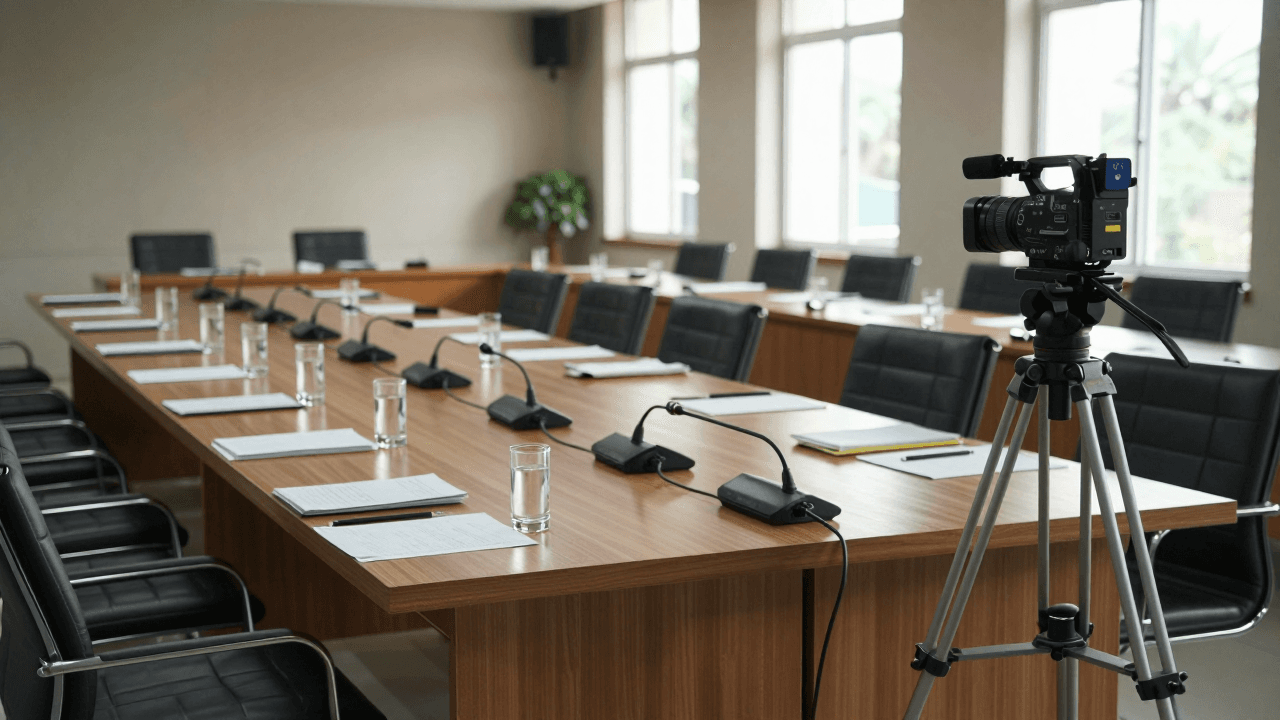
The government will set up one or more script review committees, which will examine scripts and make recommendations. Scripts must be sent to the committee at least 15 days before a programme. Each performance must also go through a full dress rehearsal before a censor committee, which checks whether the show matches the approved script.
Organisers must keep a video recording of the whole programme for at least 30 days and make it available to officials. They must also provide live electronic monitoring of performances to the Punjab Council of the Arts. The bill bars plays and performances described as obscene, defamatory, offensive to religious sentiments, likely to incite hatred, or likely to create hatred or disaffection against the government.
Penalties and fees
Violations of the bill can attract fines of between Rs300,000 and Rs500,000. Serious breaches can lead to a licence being suspended or cancelled. For certain offences, the bill proposes up to six months in prison and a fine of up to Rs1 million.
The bill sets a registration fee of Rs10,000 for an artist, a script review or approval fee of Rs35,000, and a licence fee of Rs25,000 for a theatre or performance venue.
Criticism and the government's reply
Opposition members in the assembly and several public figures on social media said the bill tries to place art and culture under full government control. Waqas Mehmood, a member backed by PTI, said the law would bring everything from qawwali to drum performers under official control. He said makeup artists, costume designers and support staff would also have to register and pay an annual fee.
Mehmood also objected that the committees include bureaucrats rather than artists or elected representatives. He said appeals would be heard within the same administrative system that imposed a penalty, with no court oversight. He questioned whether the culture department had the resources to review thousands of scripts and monitor rehearsals across the province.
Another opposition member, Ejaz Shafi, asked whether the government feared losing power and demanded wider public consultation before the bill was passed. Azmat Bukhari, the provincial minister for information and culture, defended the bill and said the Punjab government could not even think of imposing a ban. He told the assembly that the bill aims to monitor and regulate the industry and to organise theatre and raise its standards.
The committees and licensing system created by the bill will decide how the rules work in practice. Given the objections raised in the assembly, how these powers are used is likely to be closely watched.
Aasan alfaaz mein
Punjab Assembly ne stage dramas aur theatre ke liye naya qanun manzoor kiya hai. Is ke tehat fankaron ko registration karwani hogi, scripts pehle se manzoor karwani hongi aur theatre ke liye licence lena hoga. Khilaf-warzi par jurmana, licence ki mansoori aur kuch jraim par qaid bhi ho sakti hai. Opposition ise fun par sarkari control kehti hai, jabke hukumat kehti hai ke maqsad nigrani aur munazmi karna hai.