The Food and Agriculture Organisation (FAO), a specialised agency of the United Nations, has warned that Punjab's water requirement is already higher than supply in every sector of the economy. In a detailed assessment of the province's water resources, the agency said groundwater is being drawn down by about 5.5 billion cubic metres each year over a five-year period.
What the assessment found
To judge how much stress the province is under, the FAO consulted water specialists, among them former Wapda chairman Shamsul Mulk and former Irsa chairman Rao Irshad Ali Khan. Wapda is the Water and Power Development Authority, while Irsa is the Indus River System Authority, which manages the distribution of river water among the provinces.
The findings appear in a report on water and land accounts for the province. They are based on annual water accounts covering five water years, from 2012 to 2017. The report argues that Punjab needs more advanced and integrated water services across sectors and regions, given the province's large role in the national economy and the view that Pakistan's overall water supply is insecure.
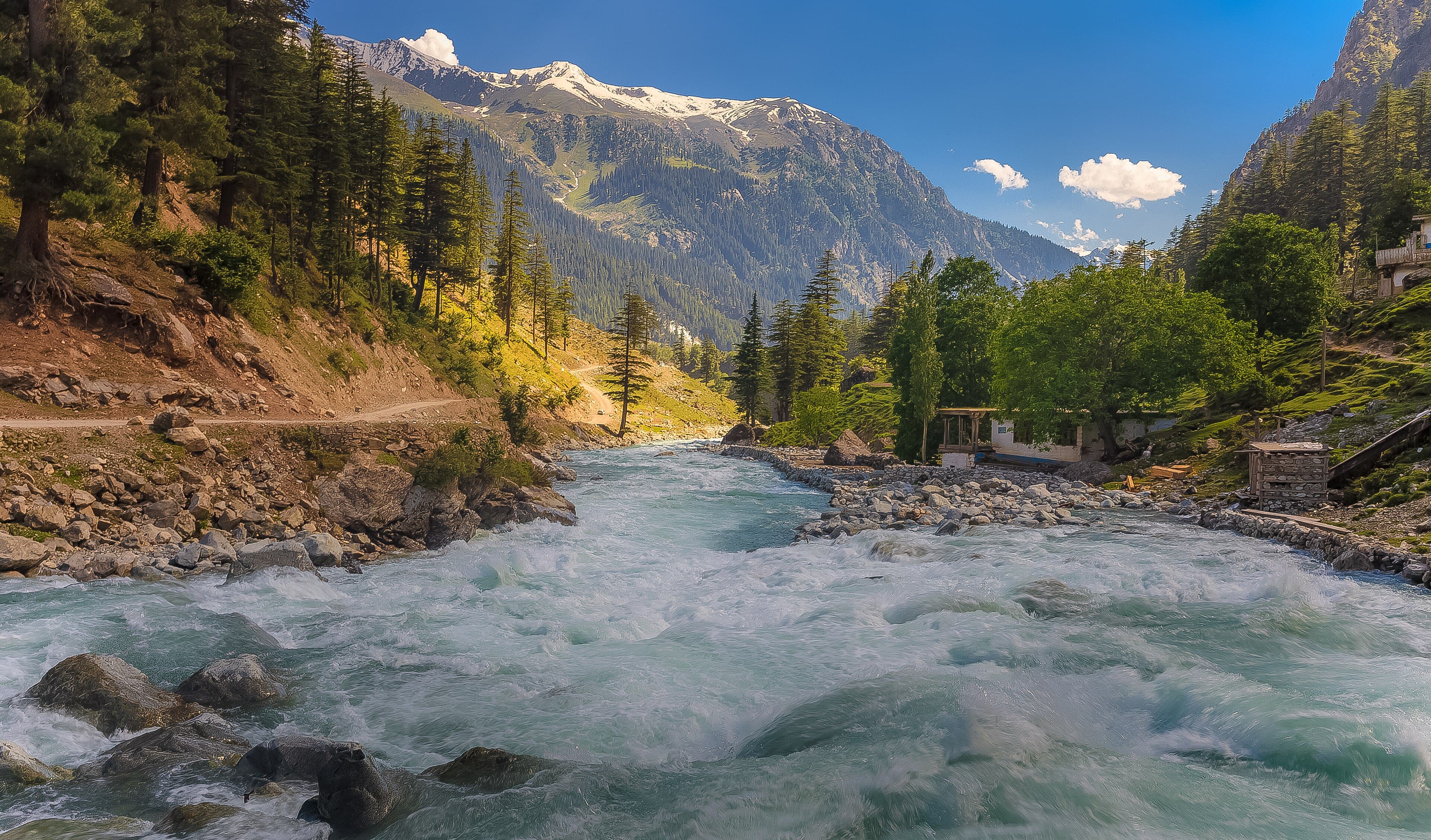
Rivers and wetlands have also lost ground. According to the report, river flows through Punjab have dropped by about 30 billion cubic metres since the 1960 Indus Waters Treaty with India, a pact that governs how the rivers of the Indus system are shared. The province retains only 1.7 per cent of its wetland areas, and its natural landscape has shrunk considerably.
Pressure on cities and farms
The gap is sharpest in urban areas, where fresh water is hard to reach and groundwater reserves are falling. Farm output is also at growing risk as water stress deepens and groundwater storage shrinks. With fresh water scarce, more water of poor quality is being recycled, while pollution from farm chemicals and city wastewater has intensified.
Canal irrigation adds another constraint. Punjab's canal network works as a run-of-the-river system for half of the year, meaning it relies on the river's flow at the time and cannot always draw its full authorised share. Outside canal command areas and cities, rain is the only water source, the report noted.
The analysis estimates that Punjab needs an additional 10 billion cubic metres of usable water each year to close the shortfall and keep its aquifer, the underground layer of water-bearing rock, sustained. It calls for early action, including ways to raise surface water supply, improve groundwater recharge (water seeping back into the ground), and build provincial systems to move water between seasons.
What the recommendations propose
The report strongly recommends a commission to carry out a one-time review of provincial water resources, the policies and institutions that govern them, and existing strategies. Its work would include aligning provincial policy with national and inter-provincial arrangements, assessing the effects of transboundary water projects, and identifying overlapping responsibilities between agencies. It would also project water demand up to 2050 and set up a coordination cell within the Planning and Development Department.
The report also points to weak data collection and poor consolidation of information as shortcomings. Its recommendations are proposals and do not by themselves set new rules or allocations for water users.
Aasan alfaaz mein
Punjab mein paani ki talab ab tak supply se zyada ho chuki hai, aur UN ki agency FAO ke mutabiq zameen ka paani har saal taqreeban 5.5 billion cubic metre kam ho raha hai. Province ko mazeed 10 billion cubic metre usable paani chahiye. Shehron mein paani ki kami aur kheton ki paidawar par dabao barh sakta hai, is liye behtar planning ki zaroorat hai.