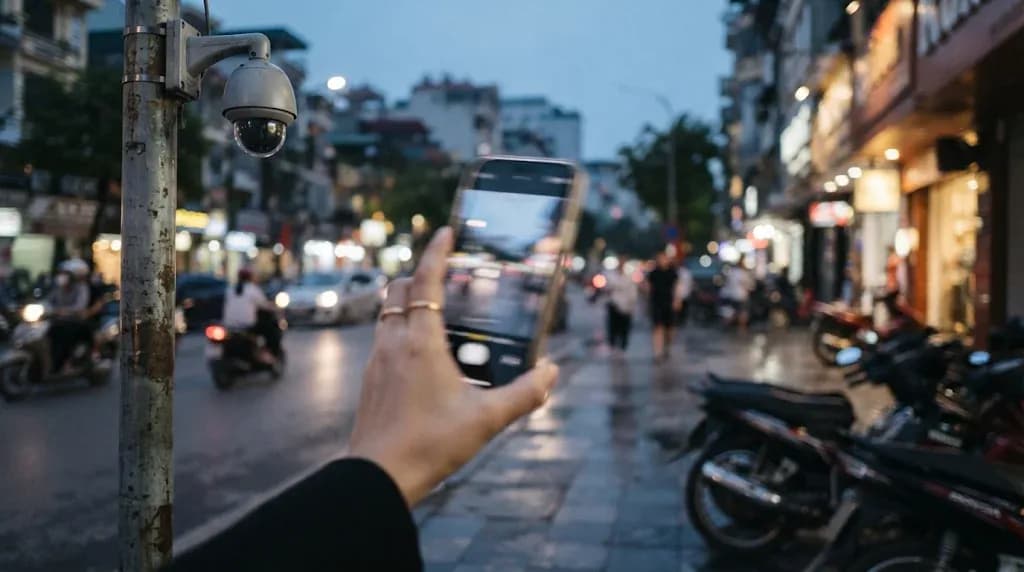
The National Cyber Crime Investigation Agency has rejected claims that it enjoys open NCCIA mobile access to every citizen’s phone, saying it does not monitor personal photos and videos or routinely inspect private galleries.
The clarification followed social media posts alleging that the agency uses artificial intelligence to automatically scan mobile galleries, private messages and photographs for objectionable material. NCCIA Additional Director South Punjab, Hassan Jehangir Wattoo, addressed those concerns at a press conference and said the public had misunderstood how the agency reaches personal devices when it investigates cybercrime.
What the agency said about phone access
Wattoo stressed that the NCCIA does not have access to every citizen’s mobile phone. He said the force does not routinely check personal galleries and does not sit inside ordinary users’ photo or video collections.
He framed the anxiety as a misconception about both the reach of NCCIA mobile access and the steps officers follow when a cybercrime case begins. According to his account, everyday phone use by people who are not under investigation is not the subject of blanket monitoring by the agency.
How cybercrime cases start
Wattoo explained that technology platforms—including Google and artificial intelligence services—can detect and report illegal activity. One example he cited was child sexual abuse material (CSAM), meaning images or videos that sexually exploit children, which platforms may flag and pass to the relevant authorities.
Once such a report arrives, he said, the NCCIA can open an investigation. Only then may officers seek access to, and seize, the devices of people treated as suspects, and register criminal cases under the legal procedures that apply. Online platforms, he added, already have systems to spot certain categories of illegal content and alert investigators.
What this clarification leaves clear
In short, the official line is that NCCIA mobile access is case-based and tied to reports and lawful process, not a standing right to browse every Pakistani’s phone. Claims of automatic AI trawls through galleries and private messages for the whole public were presented as incorrect.
The agency’s message does not remove the need for people under investigation to face device seizure where the law allows it. It does, however, push back on the idea that every handset in the country is already open to the cyber crime agency.
Aasan alfaaz mein
NCCIA ne kaha hai ke woh har shehri ke mobile phone ko free access nahi rakhti. Social media par yeh baat faili thi ke AI se galleries aur messages scan kiye jaate hain—agency ne isay ghalat bataya. Case tab banta hai jab platforms illegal content ki report bhejte hain, phir shakiyon ke devices qanooni tareeqe se dekhe ja sakte hain. Aam users ke liye yeh matlab hai ke routine photo-video check ka dawa agency ne khud radd kiya hai.