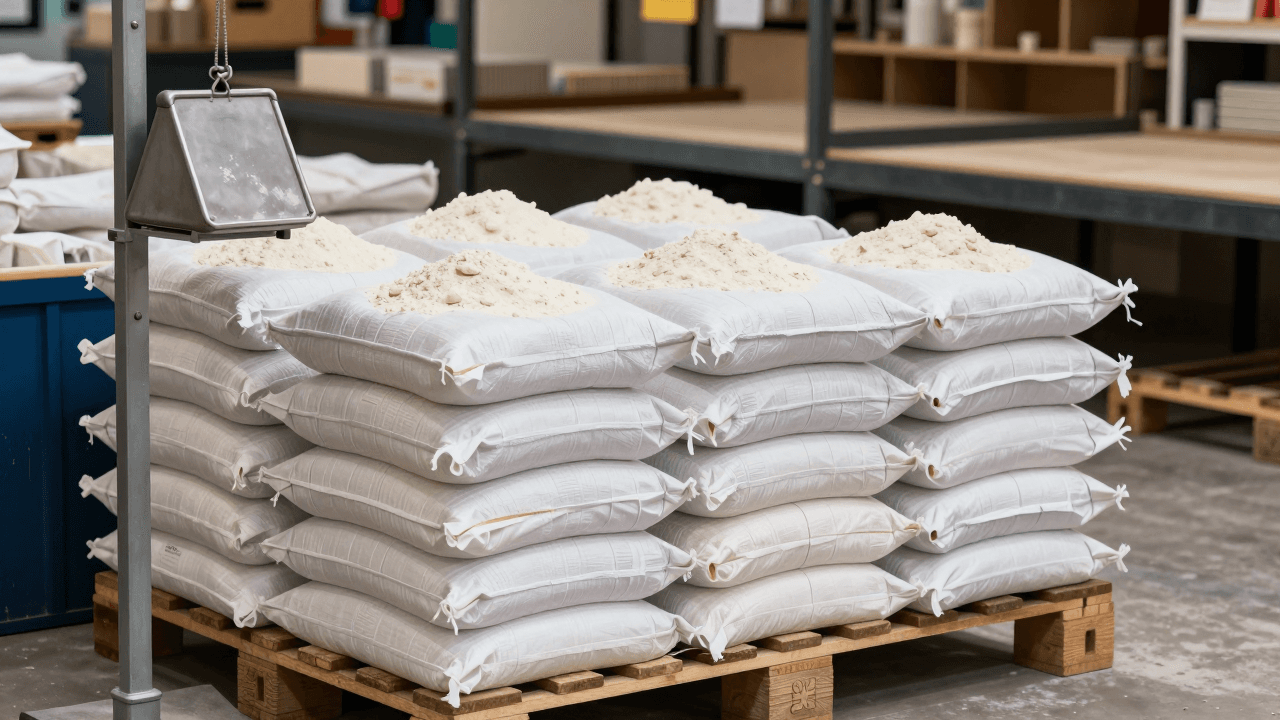
Islamabad — The Economic Coordination Committee (ECC), the federal cabinet’s economic decision forum, on Friday gave in-principle approval to raise Pakistan’s wheat import ceiling to 2.5 million metric tonnes for Food Year 2026–27. The step lifts the previous limit of 1.0 million tonnes and is meant to keep supplies adequate, calm market prices, and cover provincial needs until the next harvest.
Finance and Revenue Minister Senator Muhammad Aurangzeb chaired the virtual meeting. The Ministry of National Food Security and Research had sought the higher ceiling. The proposal now goes to the federal cabinet for ratification before it takes full effect.
Why provinces revised their demand
Officials told the committee that provinces first put combined import needs at 750,000 metric tonnes, then cut that figure to 550,000 tonnes. Recent rises in wheat and flour prices, and pressure for larger releases from public stocks, led them to reassess again. Cumulative demand is now put at roughly 1.7 million tonnes.
That total includes 950,000 tonnes for Punjab, 450,000 for Sindh subject to confirmation, and 300,000 for Khyber Pakhtunkhwa. Balochistan’s needs are to be met from stocks held by PASSCO (Pakistan Agricultural Storage and Services Corporation), the federal agency that stores and manages public wheat.
The ECC judged that a 2.5 million-tonne ceiling would leave room for extra provincial demand or stock shortfalls without repeated fresh approvals. How much is actually bought will still depend on confirmed provincial requirements and market conditions.
Who pays and how shipments will move
The committee agreed that each province will pay the full cost of wheat it imports — procurement, freight, insurance, transport, port charges, taxes, duties and related expenses — under existing financial arrangements. Provinces must confirm quantities in writing and arrange advance payments or banking cover as agreed.
To speed delivery, the ECC also approved priority berthing for wheat-carrying ships at relevant ports, working with the Ministry of Maritime Affairs and port authorities so vessels face fewer delays and extra costs.
Day-to-day monitoring sits with the Ministry of National Food Security and Research. Overall oversight remains with a steering committee led by the Deputy Prime Minister. Operational problems needing quick action are to be flagged to the Prime Minister’s Office in real time.
Government message on prices and stocks
Aurangzeb stressed timely assessment of requirements, careful use of public stocks, and close federal–provincial coordination. He said wheat availability and price stability should be tackled together, with prompt releases from public stocks when markets tighten.
He framed the higher ceiling as flexibility for emerging needs and a signal that the government intends to curb unjustified price rises. He also called for coordinated action against speculative trading and market manipulation so any supply gains reach consumers.
The meeting included National Food Security Minister Rana Tanveer Hussain, Investment Minister Qaiser Ahmed Sheikh, Minister of State for Finance Bilal Azhar Kayani, and provincial food and finance officials, among others from federal ministries, the State Bank of Pakistan and the Trading Corporation of Pakistan.
Aasan alfaaz mein
Sarkar ne gandum import karne ki had 10 lakh se bada kar 25 lakh metric ton kar di hai. Yeh is liye ke ata aur roti ke daam control mein rahen aur provinces ko zarurat poori ho sake. Asal kitni gandum kharidi jayegi, yeh provinces ki tasdeeq aur bazaar ki soorat-e-haal par depend karega. Faisla ab federal cabinet ki manzoori ka muntazir hai.