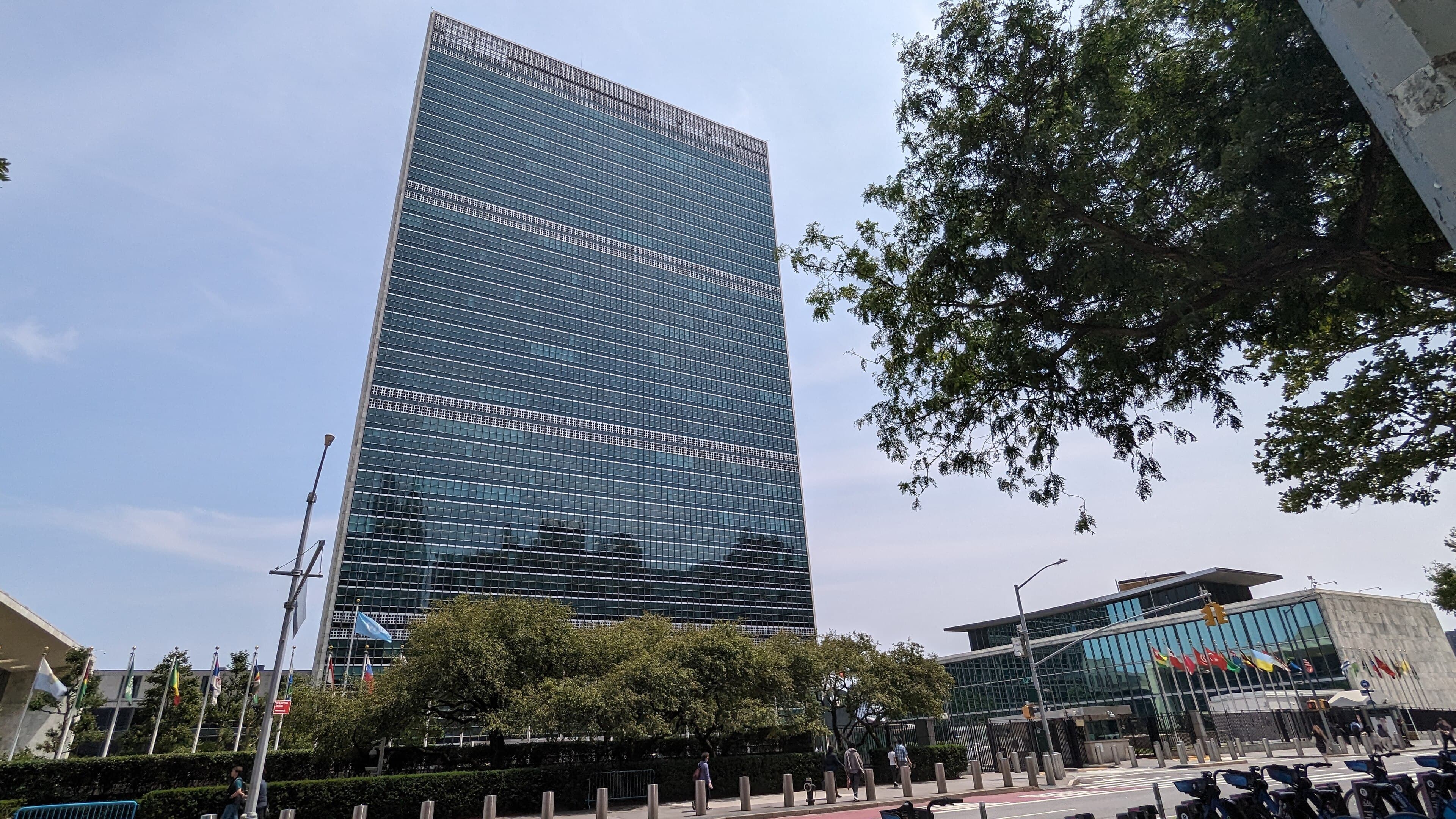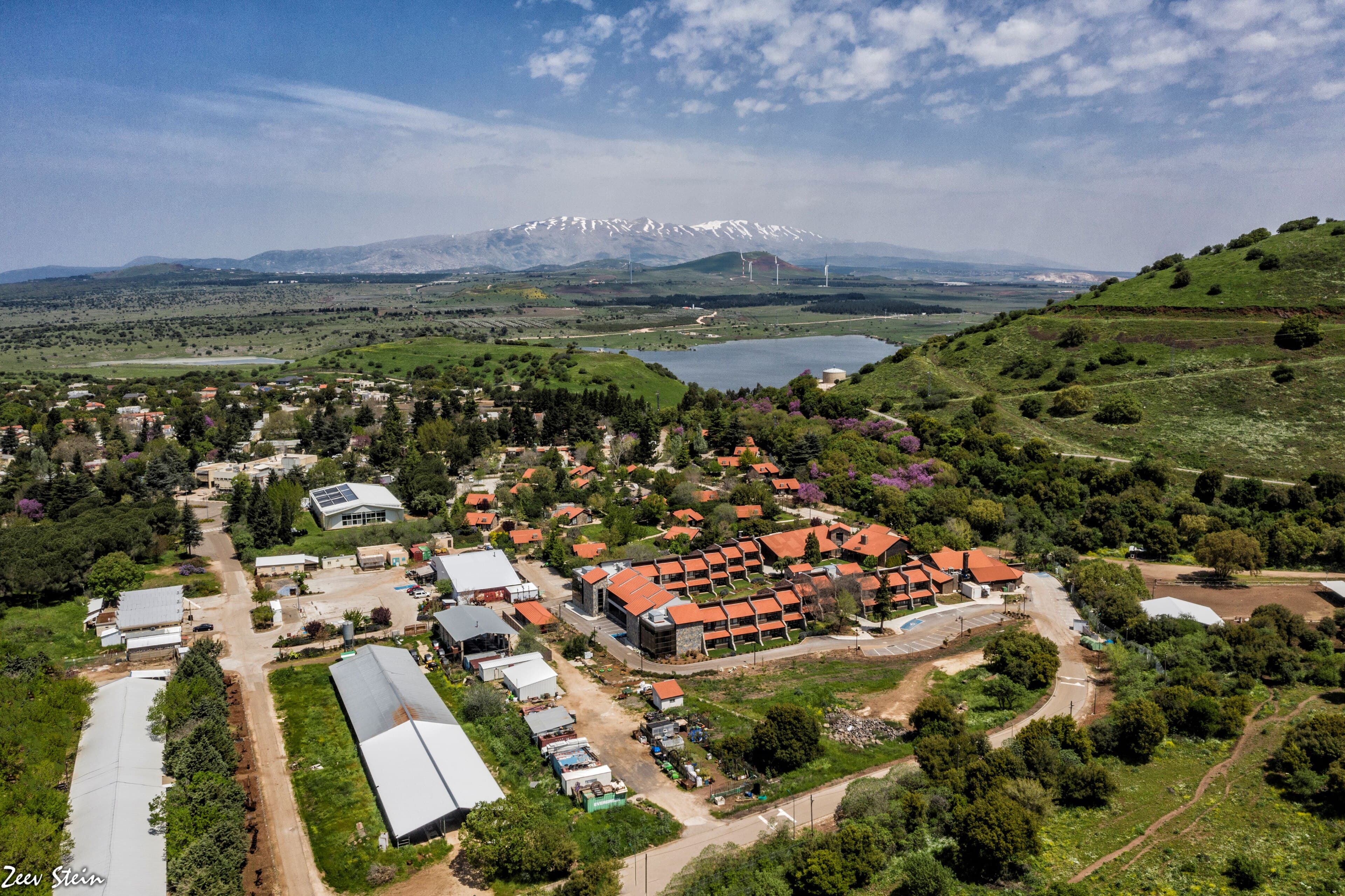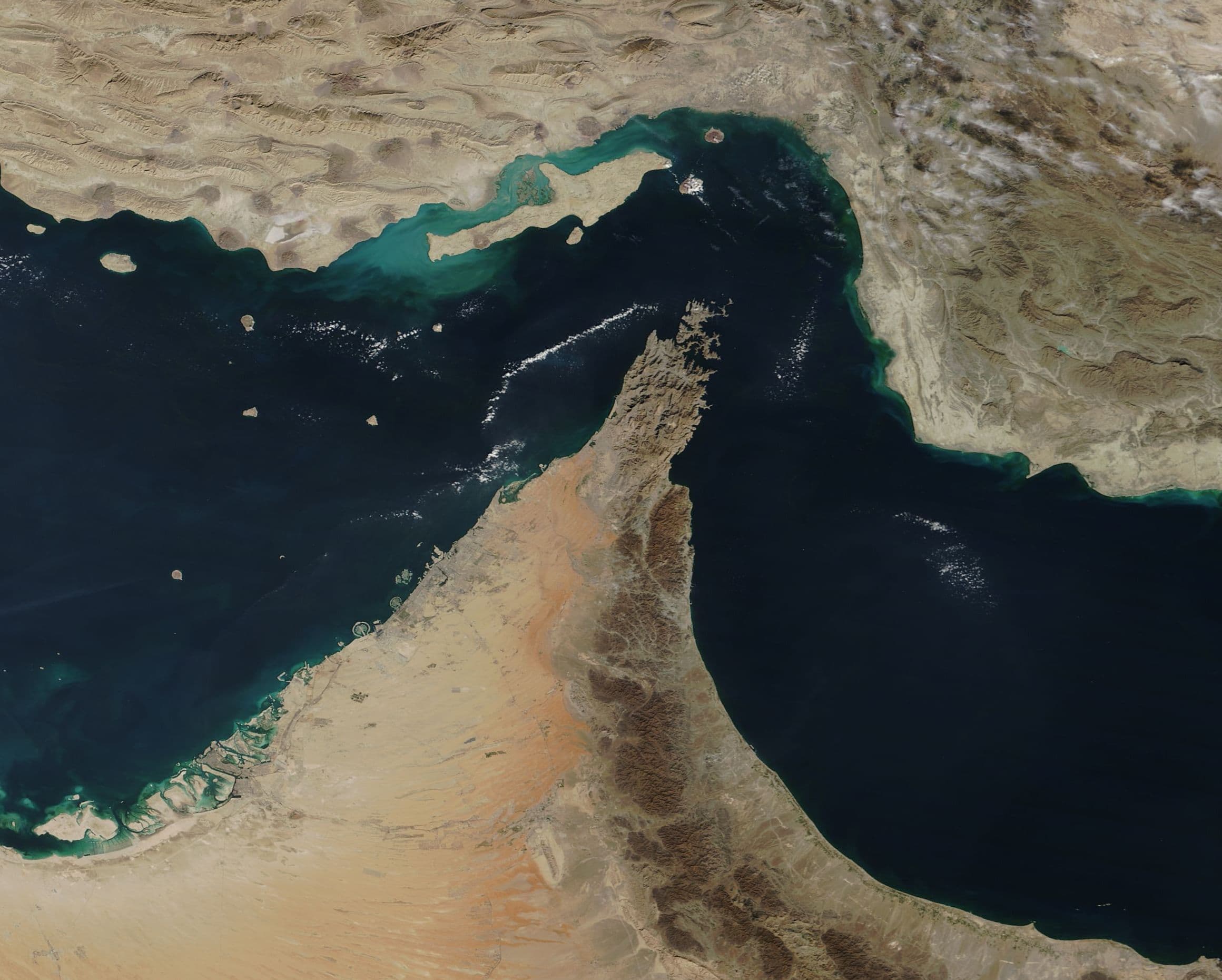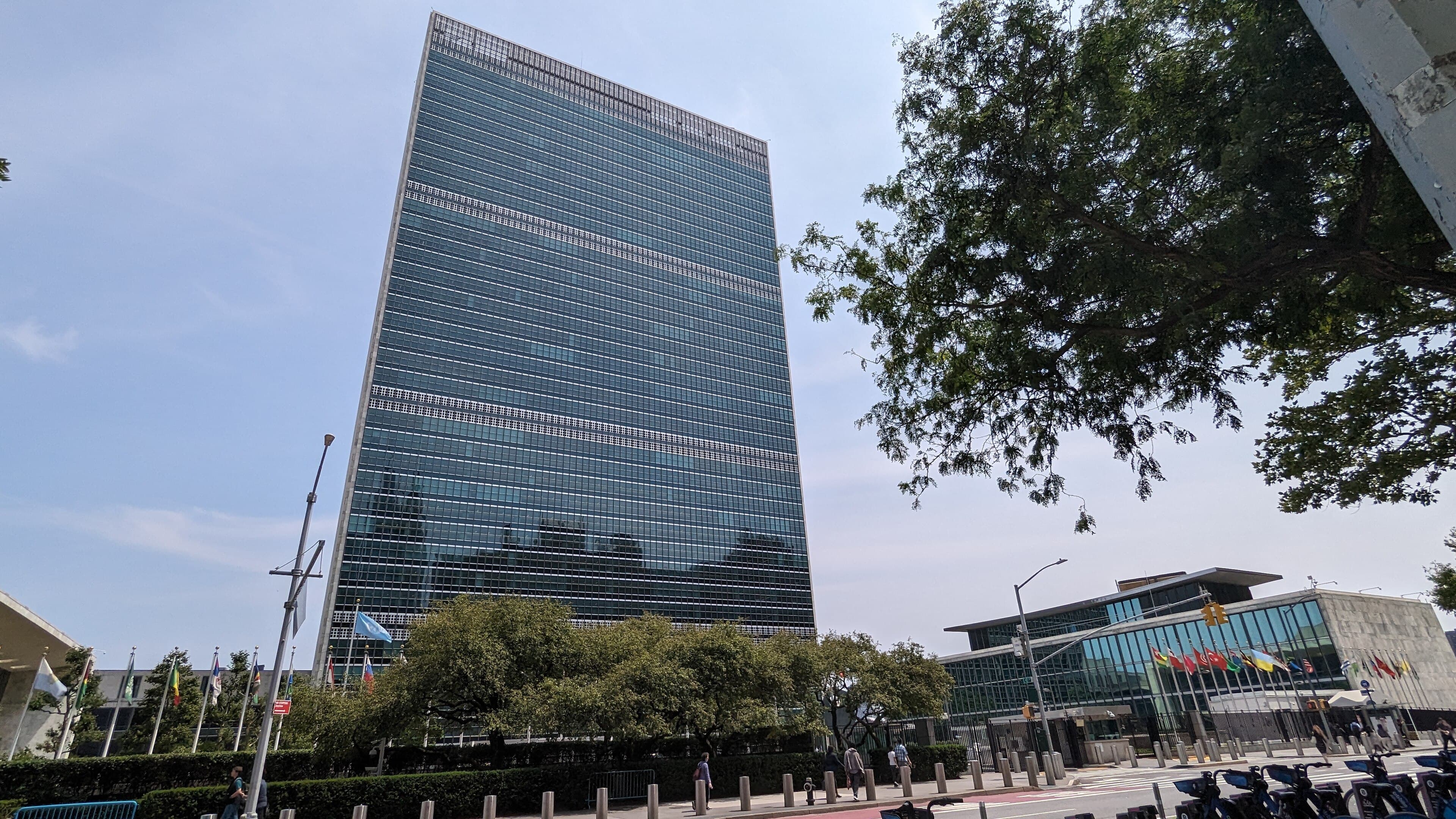
Pakistan has told the United Nations that India’s unilateral move to hold the Indus Waters Treaty in abeyance is “outlaw behaviour” that breaches international law. The statement came from First Secretary Ansar Shah during a UN Security Council debate on how resources can fuel or prevent conflict, where he responded to the Indian delegation. Pakistan argues the move puts water supplies for more than 240 million people at risk and could raise tensions between the two nuclear-armed neighbours.
What Pakistan told the Security Council
Shah said India wanted to hold the power, acting alone, to determine when the treaty applies and what terms should govern it. He described this as coercion rather than a review of the agreement, and warned that it could create conditions for conflict over water. He also said the 1960 Indus Waters Treaty has no clause allowing either side to set it aside on its own.
Ambassador Usman Jadoon, Pakistan’s Deputy Permanent Representative, first set out the country’s view on November 18, at a session that Liberia had convened on the wider theme of natural resources and peace. Jadoon said resource wealth ought to advance sustainable growth and common prosperity. He warned that outside pressure and weak state institutions might turn riches into a cause of unrest, and he then said India was trying to use water as a weapon against Pakistan, pointing to its suspension of the treaty and to warnings about halting flows along the rivers.
The August award and India’s reply
Under the treaty, the three eastern rivers, Ravi, Beas and Sutlej, mostly belong to India’s share. The three western rivers, Indus, Jhelum and Chenab, come to Pakistan, although India is allowed defined uses of them.
Jadoon cited an August 31 award from the Court of Arbitration handling the Indus Waters dispute. According to Pakistan, the court found the treaty still fully in force, that India remained bound by its obligations, and that the arguments India had used to justify its position were set aside.
India’s Permanent Representative, Ambassador Harish Parvathaneni, replied by defending the current global frameworks for handling disputes over shared resources. He cited the Kimberley Process, a scheme he said has reduced trade in conflict diamonds without harming lawful trade.
Shah answered that India had resorted to denial and deflection rather than engaging with the treaty itself. When India argued that conditions had moved on since 1960, he pointed out that the UN Charter is older still, and asked whether New Delhi regarded the Charter as outdated too.
Shah also raised Jammu and Kashmir, alleging that since 1989 more than 100,000 Kashmiris have been killed by Indian forces and that their fundamental rights continue to be suppressed. He dismissed Indian comments on Pakistan’s internal affairs as frivolous, and described Pakistan as a constitutional, democratic state in which citizens choose their leaders. He urged New Delhi to give up its hubris and respect its legal duties under treaties and UN resolutions.
Timeline: what has happened so far
- 1960: The Indus Waters Treaty, known as the 1960 treaty, governs how the Indus river system is shared between India and Pakistan.
- August 31: The Court of Arbitration issued an award in the Indus Waters dispute, which Pakistan says found the treaty fully in force.
- November 18: Ambassador Usman Jadoon set out Pakistan’s position at a session convened by Liberia on natural resources and conflict.
Aasan alfaaz mein
Pakistan ne UN mein kaha hai ke India ka Indus Waters Treaty ko ek-tarfa tor par muattal karna qanoon ke khilaf hai, aur ise “outlaw behaviour” kaha hai. Pakistan ke mutabiq is faisle se 240 million se zyada logon ke paani ki supply khatre mein par sakti hai. Pakistan Court of Arbitration ke August 31 ke faisle ka hawala deta hai, jis ke mutabiq treaty abhi bhi poori tarah lagu hai. Aam shehri ke liye matlab yeh hai ke dono mulkon ke darmiyan paani ka mas’ala ab zyada sakht ho sakta hai.