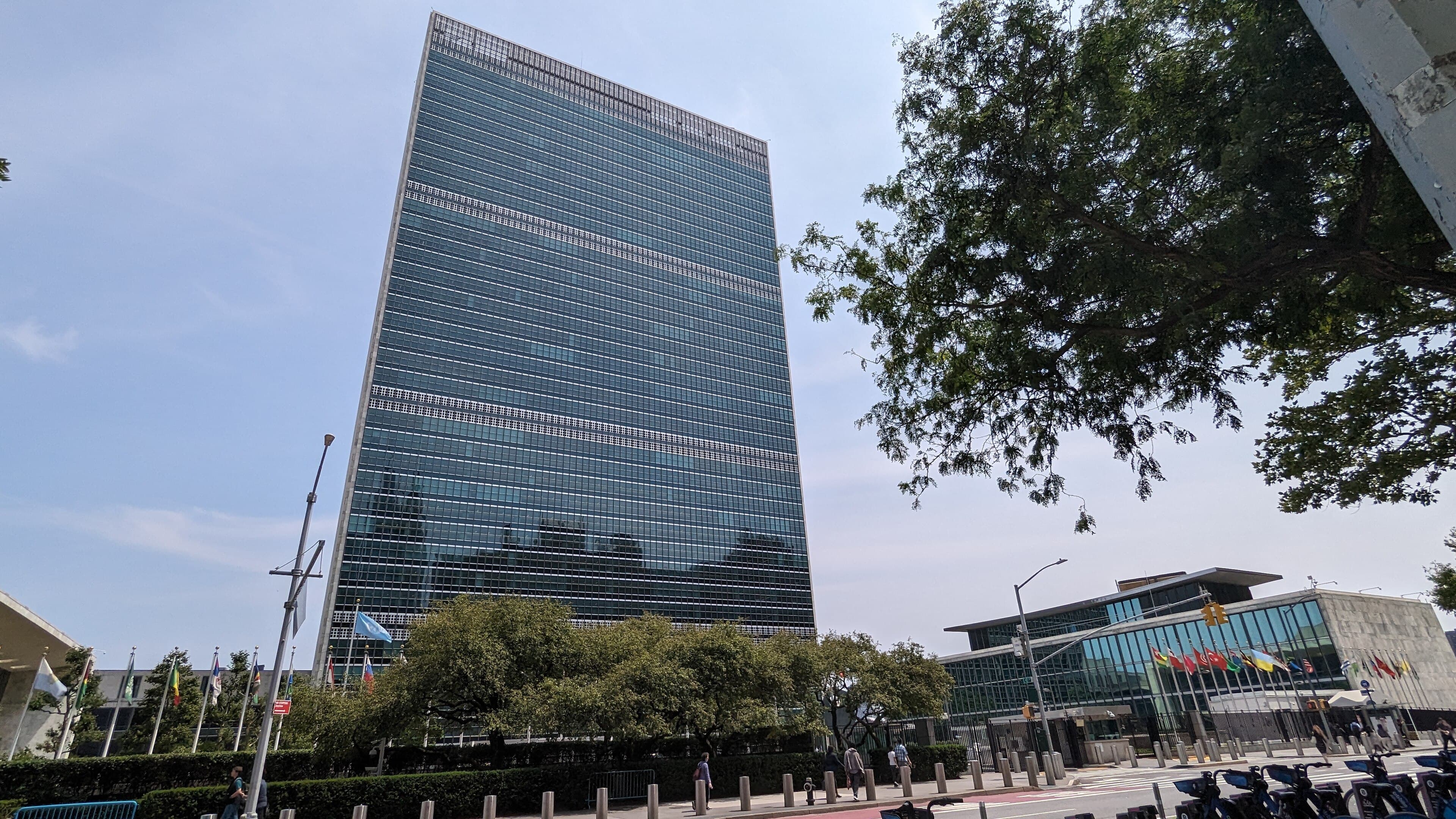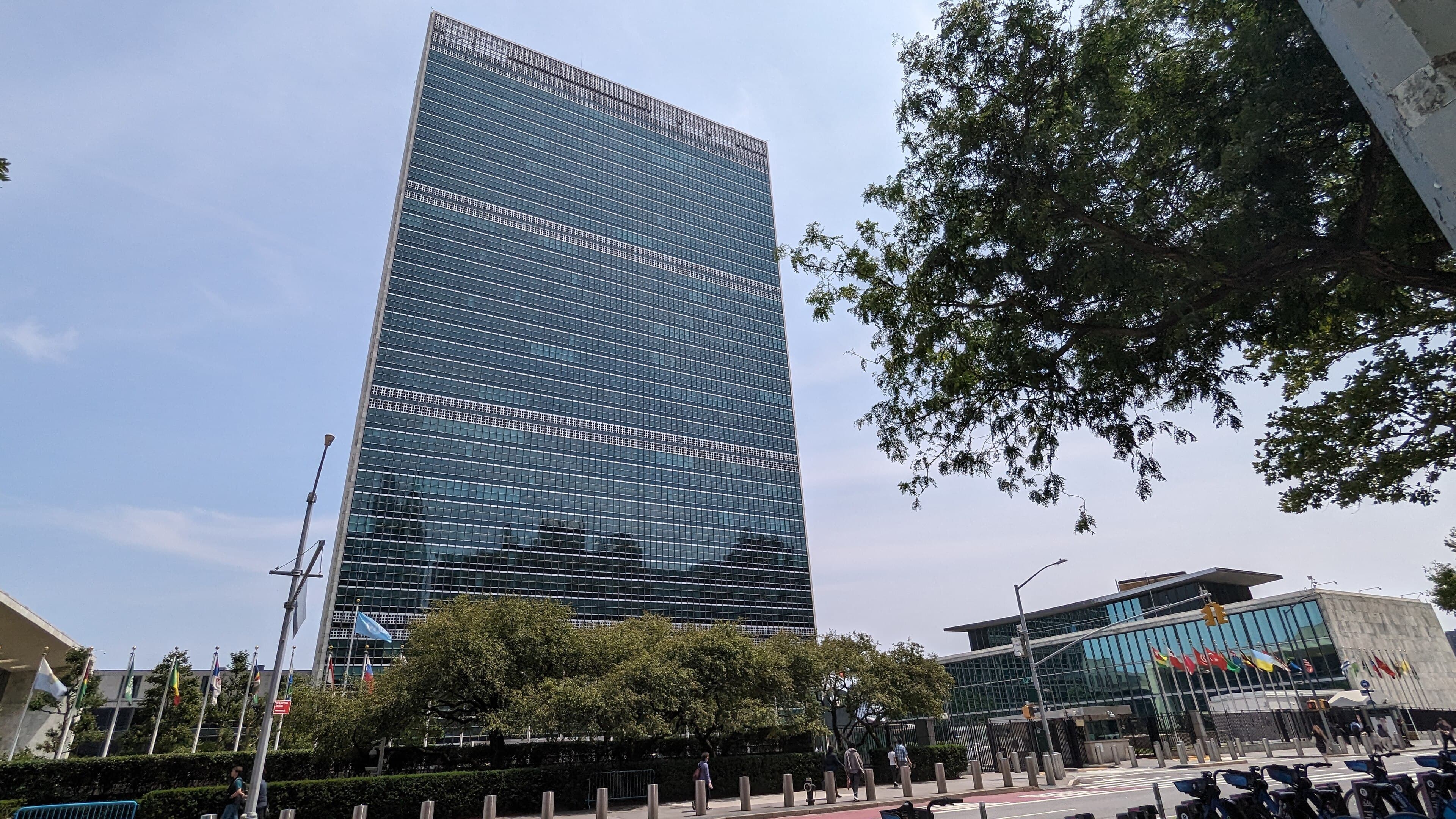
Pakistan has accused India of "weaponising water" by suspending the Indus Waters Treaty, warning that the move threatens the livelihoods of more than 240 million people. Ambassador Usman Jadoon, Deputy Permanent Representative of Pakistan to the United Nations, made the case on Nov 19 at an informal Security Council meeting in New York. He called India's action an "unlawful action" and said it risked escalation between the two neighbouring countries.
What Pakistan told the Council
Jadoon said India had sought to use the shared rivers as a tool of pressure by placing the treaty in abeyance and threatening to stop water flows. He said such steps endanger the livelihoods and well-being of more than 240 million people. To support the case, he cited an award of the Permanent Court of Arbitration dated August 31, 2026, which he said reaffirmed that the treaty remains fully in force and that India continues to be bound by its obligations.
He told delegates that no country should use shared natural resources as "instruments of coercion or political pressure". The debate was an Arria-formula meeting convened by Liberia. Such sessions are informal and let Council members hold a frank and private exchange of views, and this one also drew in experts from academia, the private sector and civil society.
Jadoon used the session to urge neighbours to settle disputes peacefully, citing Security Council resolution 2788 and Article 33 of the UN Charter. Beyond water, he spoke about the wider theme of natural resources and conflict. He said resource wealth should drive development rather than exploitation, and he pointed to the Democratic Republic of the Congo as an example of mineral wealth sustaining conflict.
Background and India's response
The Indus Waters Treaty was signed in 1960 and was brokered by the World Bank. It allocates the eastern rivers Ravi, Beas and Sutlej to India, and the western rivers Indus, Jhelum and Chenab largely to Pakistan. The agreement contains no provision allowing either country to suspend or end it unilaterally.
India placed the treaty in abeyance in April 2025, following the killing of 26 people in Jammu and Kashmir. New Delhi accused Islamabad of involvement in the attack, a charge Pakistan denied.
Indian Ambassador Harish Parvathaneni responded in the same meeting. He accused Pakistan of misusing the forum, said India's position on the treaty was "clear and consistent", and turned his remarks to the role of the Pakistani Army.
Ansar Shah, a first secretary at the Pakistan Mission to the UN, used his right of reply to reject those remarks as baseless. He said that "India's gross violation of the Indus Waters Treaty is violation of international law" and that one party cannot place a binding accord between two neighbours "in abeyance" on its own. Shah also answered India's argument that the treaty dates from 1960 and that "the world has changed" by pointing out that the UN Charter is older.
Shah further rejected the Indian envoy's remarks on Pakistan's domestic affairs, saying the country upholds the rule of law and its Constitution. The two positions remained far apart after the exchange.
Timeline: what has happened so far
- 1960: The Indus Waters Treaty is signed, brokered by the World Bank.
- April 2025: India places the treaty in abeyance after 26 people are killed in Jammu and Kashmir; New Delhi accuses Islamabad, which denies involvement.
- August 31, 2026: A Permanent Court of Arbitration award, cited by Pakistan, reaffirms that the treaty remains fully in force.
- Nov 19, 2026: Pakistan raises the issue at a UN Security Council Arria-formula meeting; India responds and Pakistan exercises its right of reply.
Aasan alfaaz mein
Pakistan ne UN Security Council mein bharat par ilzam lagaya hai ke woh Indus Waters Treaty ko muattal kar ke paani ko dabao ke liye istemal kar raha hai. Pakistan ke mutabiq is se 240 million se zyada logon ki rozi aur bhalai khatre mein hai. Bharat ke numainda ne apni position ko wazeh bataya aur Pakistan ne is ka jawab diya. Aam logon ke liye matlab yeh hai ke dariyaon ka pani zarai kaam aur ghar ki zaroorat se judа hai, is liye is mudde par nazar rakhna zaroori hai.