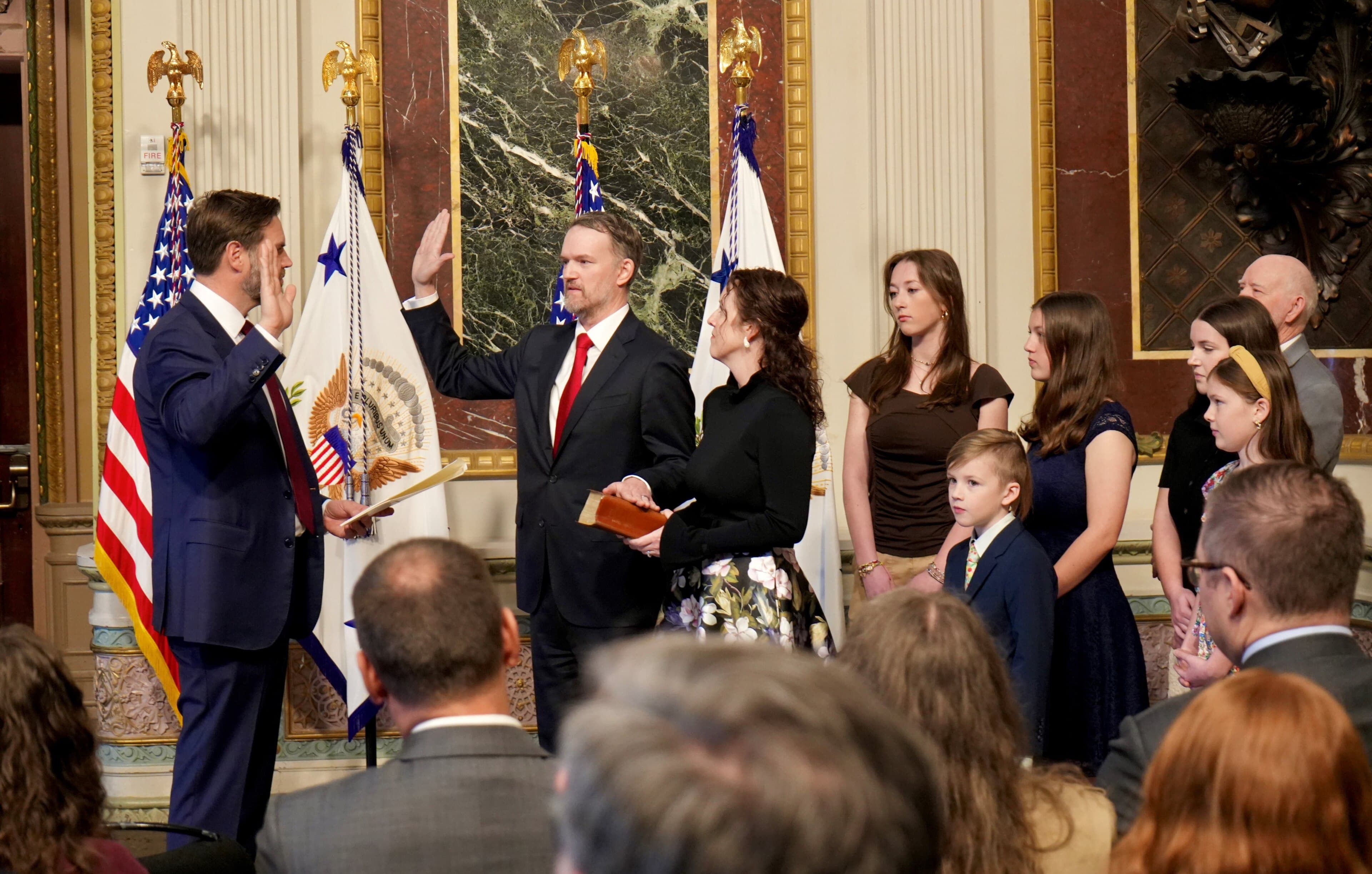
The Pakistan privatisation process currently covers seventeen sales, Adviser to the Prime Minister on Privatisation Muhammad Ali told an investment forum in Karachi. Ali, who also chairs the Privatisation Commission — the federal body that sells or partners out state assets — said the pipeline includes nine electricity distribution companies, three large airports, and financial and insurance names such as State Life.
He held up the completed PIA and First Women Bank deals as proof that coordination among stakeholders can close complex transfers. Speaking at the CFA Society Pakistan event on privatisation, mergers and greenfield investment, he argued that private firms should lead efforts to expand employment, lift output and raise living standards.
Power firms and airports in the queue
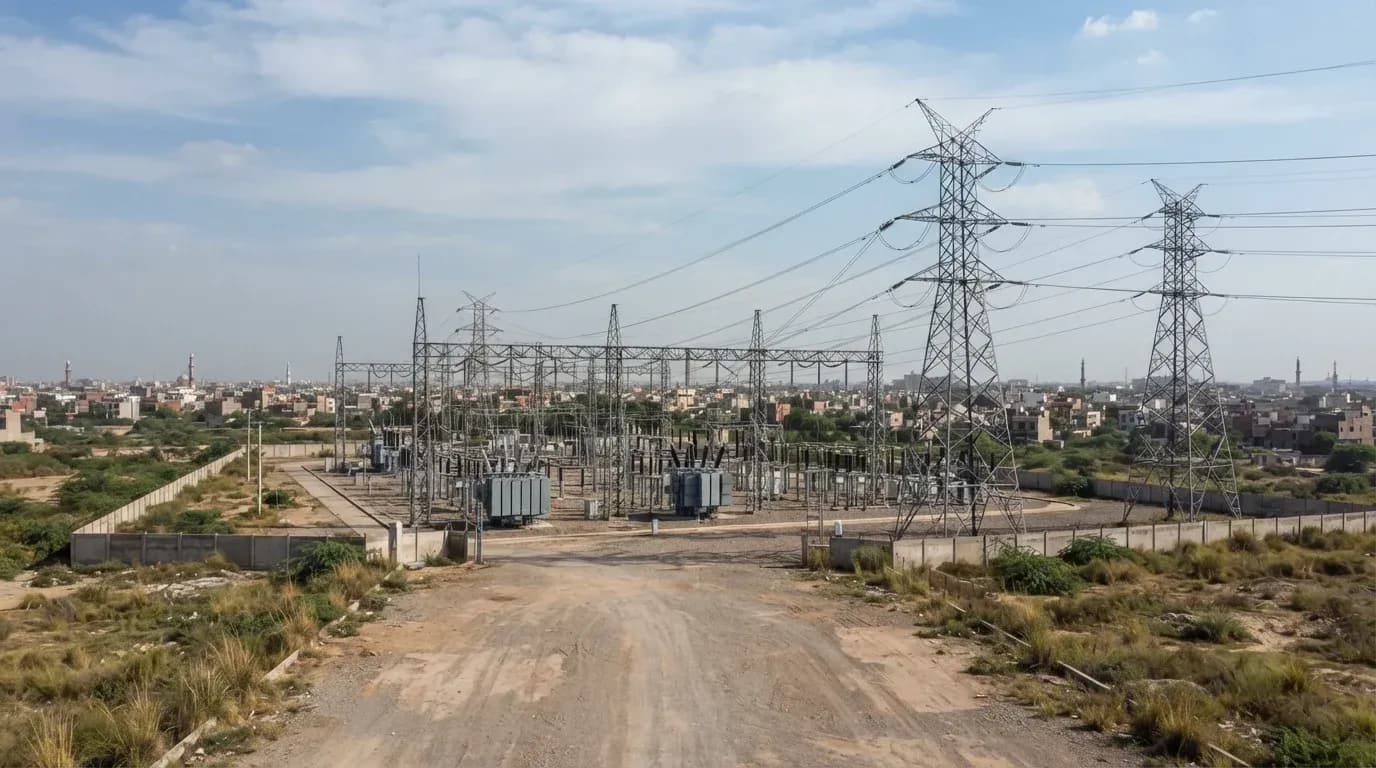
Among the electricity distributors, FESCO, GEPCO and IESCO are already in diligence, and he said tenders are expected in the first quarter of 2027. HESCO and SEPCO come next in the same sequence. Separately, a request for proposals to hand over day-to-day running of Islamabad International Airport is also targeted for that same early-2027 window.
For those distribution sales, Ali stressed that bidders need clarity before they bid: they should see planned post-sale investment programmes and multi-year tariff paths. Transparent contests, prompt decisions, steady rules and contracts that can be enforced are, in his view, the forms of certainty that attract capital. Investors can price risk, he said, but are put off by unclear operating conditions.
Why the state is selling and partnering
In remarks framed as policy priorities, Ali said Islamabad should first make it easier to invest through clear rules and regulation that keeps competition fair. When the government stays in commercial businesses that private managers can run more efficiently, he argued, public money is locked up and taxpayers carry commercial risk. He listed asset sales, public-private partnerships (PPPs — shared projects between the state and private firms), mergers and acquisitions, and entirely new greenfield ventures as paths for private capital into the economy.
He also sketched infrastructure and urban schemes meant to be investable: two stretches of the M-6 Hyderabad–Sukkur Motorway — Hyderabad–Tando Adam and Tando Adam–Nawabshah — with combined outlays put at roughly USD 700 million under a 25-year concession, including about USD 156 million in viability gap support for the first stretch. Other names he mentioned included Islamabad Technopolis, a mixed-use plan on four Karachi sites held by REDAMCO (a Pakistan Railways unit), CDA Capital Hospital, Karachi Industrial Park and the M-10 Motorway. Credible feasibility work, clear goals and sensible risk-sharing, he said, are essential to structure such projects.
Reform beyond the sales list
Closing his remarks, Ali linked the Pakistan privatisation process to wider energy and tax reform so local firms can compete abroad. Sales, market opening, regulation and infrastructure spending should move together, he said, to make the power sector more efficient and to shield consumers. A fair, predictable tax regime would, in his account, give businesses confidence to plan for the long term.
Timeline: what has happened so far
- Completed examples cited: PIA and First Women Bank transfers held up as successful stakeholder cooperation.
- Now: seventeen transactions active under the Privatisation Commission, including nine distributors, three major airports and insurers such as State Life.
- Now: FESCO, GEPCO and IESCO in due diligence; HESCO and SEPCO queued next.
- First quarter of 2027: bidding expected for FESCO, GEPCO and IESCO.
- First quarter of 2027: RFP targeted for outsourcing operations at Islamabad International Airport.
Aasan alfaaz mein
Sarkari Privatisation Commission ab 17 idaron ki farokht ya partnership par kaam kar rahi hai, jin mein bijli ke distributors aur airports bhi hain. FESCO, GEPCO aur IESCO ki bidding 2027 ke pehle quarter mein hone ki umeed hai. Hukumat ka kehna hai ke private sector jobs aur behtar khidmat de sakta hai. Aam logon ke liye is ka matlab yeh ho sakta hai ke bijli aur airport services baad mein private companies chalayein — bill aur service pe asar baad mein clear hoga.