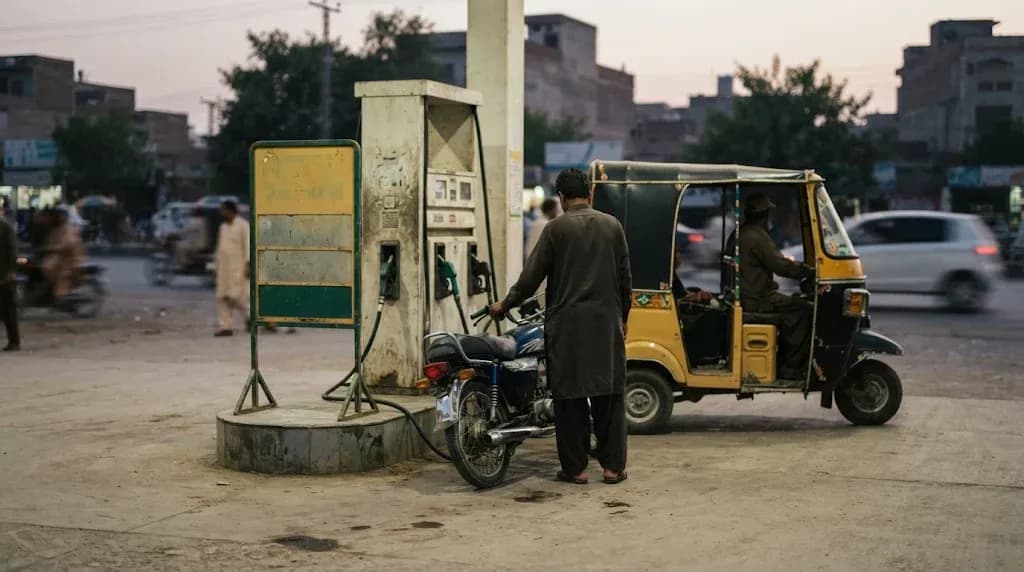
The federal government has finalized a comprehensive framework for the SNGPL SSGCL breakup, proposing to divide the two state-owned utilities into six to eight smaller companies. This move aims to dismantle the current monopoly in the gas sector and introduce competitive market dynamics to improve service delivery and financial stability.
Under the proposed plan, which has been submitted to Prime Minister Shehbaz Sharif, the functions of gas transportation, distribution, and sales will be unbundled. Currently, Sui Northern Gas Pipelines Limited (SNGPL) and Sui Southern Gas Company Limited (SSGCL) manage both the physical pipeline infrastructure and the direct sale of gas to consumers. The new structure seeks to separate these roles to allow private players to enter the market.
Structure of the New Gas Market
The Petroleum Division has proposed the creation of at least four distinct gas sales entities. Two of these would be regulated companies specifically tasked with supplying gas to domestic households. The other two would be competitive supply companies catering to commercial and industrial consumers.
To ensure a smooth transition, the government plans a phased opening of the market. In the first year of implementation, SNGPL and SSGCL will be required to make 20 percent of their consumer portfolios available to private competitors. This will be followed by an additional 10 percent in each of the subsequent two years, eventually opening 60 percent of the market to private sector participation.
International Backing and Legal Process
This gas sector reform in Pakistan has been developed with technical support from the World Bank, KPMG, and Wood Mackenzie. It also aligns with requirements set by the International Monetary Fund (IMF) under Pakistan’s ongoing economic program, particularly regarding the management of gas circular debt—the unpaid subsidies and bills that strain the energy chain.
The Prime Minister’s approval is now required to appoint transaction advisers who will navigate the legal, regulatory, and constitutional hurdles. This advisory phase is expected to last approximately five to six months before the formal restructuring begins.
Timeline for Implementation
The government intends to move the transformation plan into its active implementation stage by the fourth quarter of 2027. This timeline allows for the necessary legislative changes and the resolution of financial liabilities associated with the existing companies. Unlike previous attempts in 2016-17 that focused on provincial distribution, this plan emphasizes a functional split to attract investment and enhance energy security.
Aasan alfaaz mein
Sarkar SNGPL aur SSGCL ko khatam karke 6 se 8 choti companiyon mein baant rahi hai. Iska maqsad gas ke karobar mein muqabla paida karna hai taake private companiyan bhi gas bech saken. Shuruat mein sirf 20 percent kaam private logon ko diya jayega, aur umeed hai ke is se gas ki supply behtar hogi.