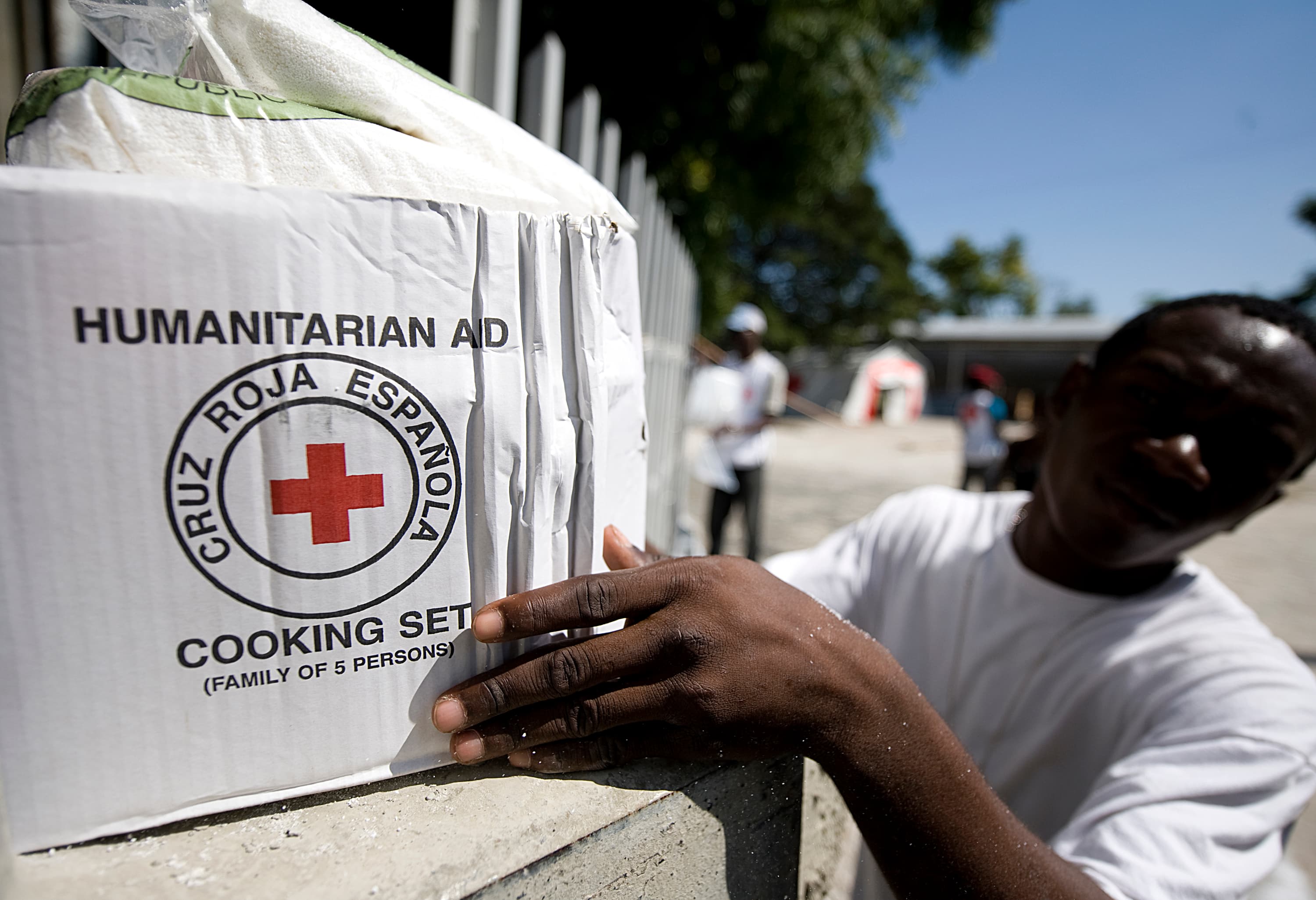
The United Nations has warned that the Afghanistan humanitarian crisis is getting worse. Sweeping limits on women and girls, a large return of people from neighbouring countries and shrinking aid are all adding pressure. Bruno Lemarquis, the UN's Deputy Special Representative for Afghanistan and its Resident and Humanitarian Coordinator in the country, made these points in remarks to journalists, and he urged the international community not to turn its back on Afghanistan.
Limits on women, girls and UN staff
Lemarquis described the restrictions on women and girls as "severe and sweeping", saying they are shut out of many spaces to learn, work and take part in public life. Since 2021, more than 2.6 million girls have been denied secondary education, and female university enrolment currently stands at zero. He said economic hardship is also leading some families to keep their boys out of school, which he described as part of a wider crisis in higher education.
Asked how the Taliban justify these restrictions, he said the explanations mix religious extremism with long-standing practices of control and discrimination. Since September 2025, Afghan women working for the UN have been banned from entering UN premises across the country, and the ban has not been lifted.
Returnees, opium and a shrinking aid budget
The return of 6.7 million nationals to Afghanistan since 2020 is adding strain to services that were already stretched. Many were forcibly expelled from the countries that had hosted them, with a large portion coming from Pakistan and Iran. Lemarquis said he had met people who had to return to a country they had never lived in, including a 45-year-old father born abroad who ended up in his ancestral village with his children. He said returnees need legal documents, protection and "jobs, jobs, jobs."
Opium is another concern. Afghanistan was once the world's largest source of illicit opium, and cultivation fell sharply after a Taliban ban in 2022. Lemarquis cited a recent UN report that found opium poppy production rose by 330 per cent during 2025, with farmers hiding their output from the Taliban. He said eradication will only work if farmers have viable ways to earn a living.
Funding is falling even as needs rise. Humanitarian aid reached $2 billion in 2023, fell to $1 billion in 2025, and so far in 2026 has amounted to $570 million, roughly a quarter of the 2023 level. Needs are expected to rise sharply in 2027 because of the returns, regional instability and El Nino, a periodic warming of Pacific waters that can disrupt rainfall and food production and is described as stronger than ever.
Lemarquis also said 40 per cent of primary healthcare facilities are expected to close between 2025 and 2026. The UN figures tie this to 700 of 1,900 health posts across the country, although 700 out of 1,900 is closer to 37 per cent, so the two numbers do not line up exactly. He warned the consequences are "very, very, very significant" and could go beyond Afghanistan's borders, "potentially affecting regional security, regional stability and migration pathways."
Timeline: what has happened so far
- Since 2020: 6.7 million nationals have returned to Afghanistan, many of them forcibly expelled from neighbouring countries.
- Since 2021: More than 2.6 million girls have been denied secondary education.
- 2022: A Taliban ban led to a sharp fall in opium cultivation.
- September 2025: Afghan women working for the UN were banned from UN premises, and the ban remains in place.
- 2025: Opium poppy production rose 330 per cent, and humanitarian aid fell to $1 billion.
- 2026 so far: Humanitarian aid has reached $570 million, with needs expected to rise in 2027.
Aasan alfaaz mein
UN ke mutabiq Afghanistan mein insani bohran aur gehra ho raha hai. Auraton aur larkiyon par sakht paabandiyan hain, 2021 se 2.6 million se zyada larkiyan secondary taleem se mehroom hain, aur 6.7 million log wapas aa chuke hain. Madad ke paise kam ho rahe hain, aur 2026 mein ab tak sirf $570 million mile hain. Pakistan ke liye iska matlab hai ke khitte ke amn aur hijrat ke rastay par asar pad sakta hai.