Tensions between the United States and Iran continue to escalate despite recent US midterm election results that saw the Democratic Party win control of both chambers of Congress. While global markets initially reacted with optimism, sending crude oil prices down by more than 16%, analysts warn that the risk of a full-scale conflict remains high before the new Congress is sworn in this January.
President Donald Trump has maintained a defiant tone, telling reporters at the Oval Office that he is prepared to take further military action. The president emphasized his commitment to stripping Iran of its nuclear capabilities, stating that the US military is "locked and loaded" for potential operations. Although the incoming Democratic majority plans to pass a war powers resolution to curb the conflict, they will not have the legislative power to do so until they take office next year.
Military activity in the Gulf
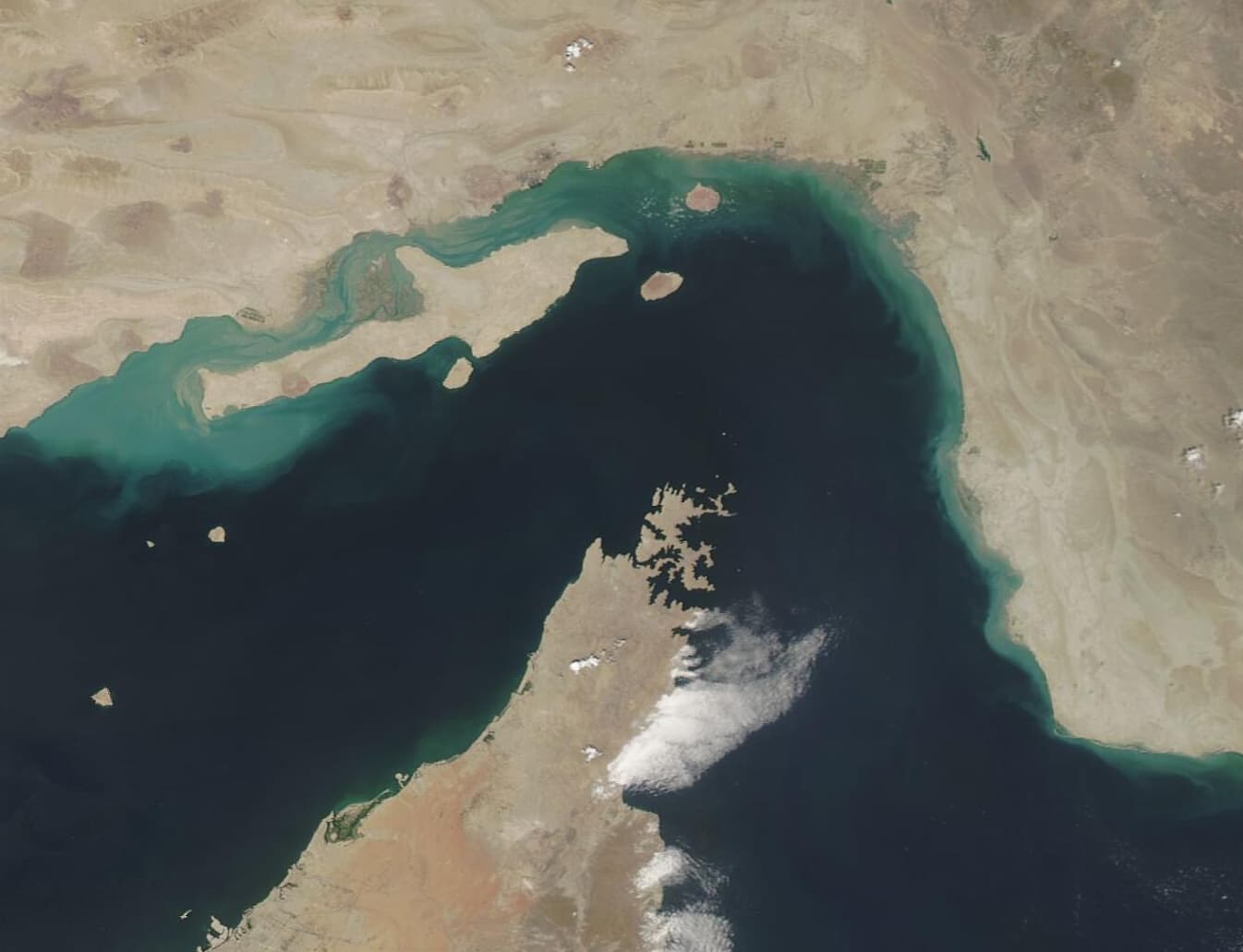
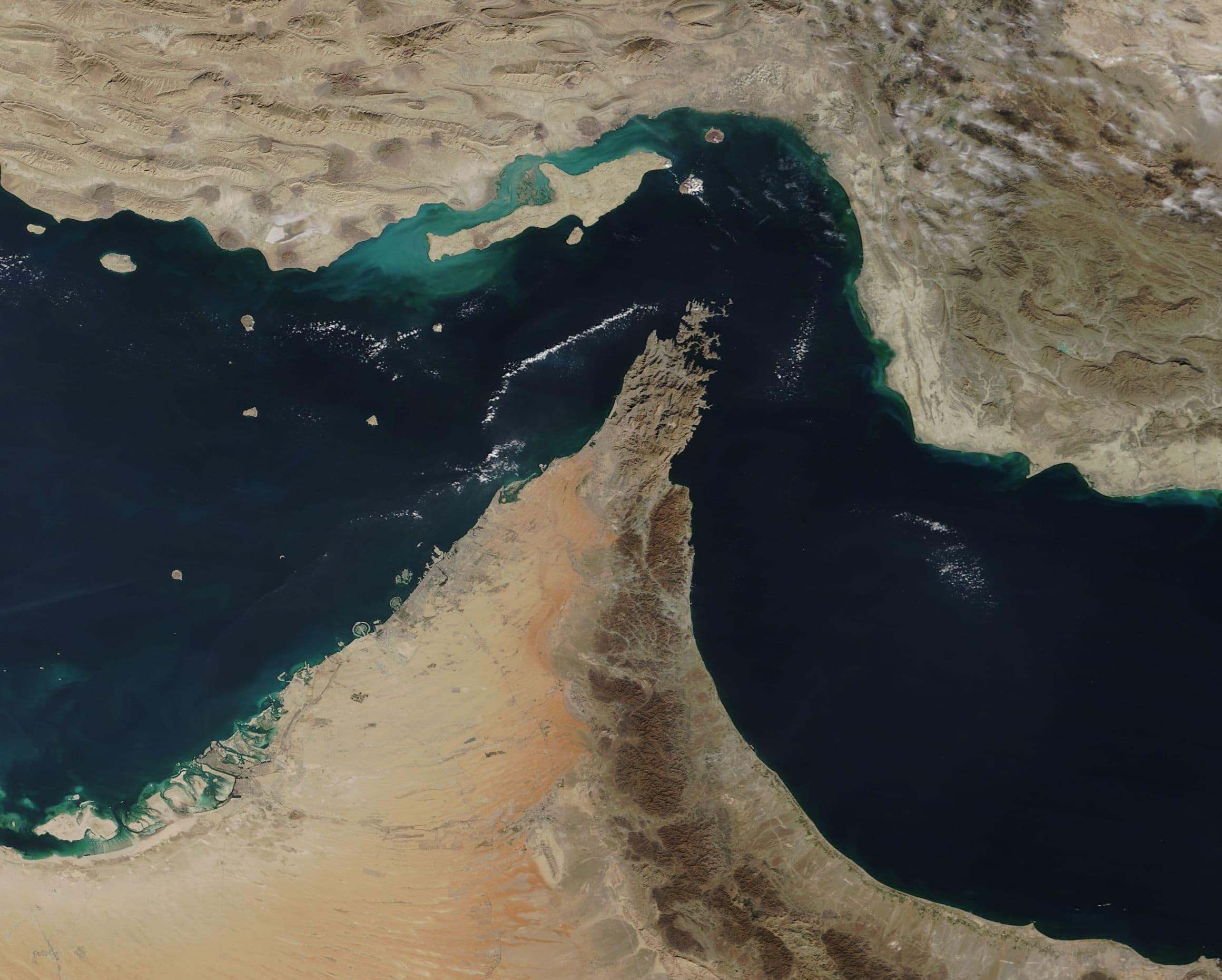
On the ground, the situation remains volatile. US Central Command recently disabled a St. Kitts-flagged tanker that reportedly ignored warnings after departing an Iranian port. Meanwhile, Iranian state media has reported several explosions on Qeshm Island and at the port of Jask in the Strait of Hormuz.
Maritime security agencies also reported attacks on several oil tankers near Oman, resulting in the death of one seafarer. In Yemen, Iran-aligned Houthi forces continue to launch missile strikes against Saudi Arabia. To bolster its presence, the US military is currently moving a third carrier strike group toward the region.
Diplomatic hurdles and oil impact
Diplomatic efforts appear to be at a standstill. While reports suggest Tehran sent a nuclear proposal to Washington via Qatari mediators, President Trump has largely dismissed these overtures. Analysts from Rapidan Energy suggest there is now an 80% probability that active fighting will resume as diplomacy fails to bridge the gap between the two nations.
For the energy sector, the stakes are significant. Experts predict that if the conflict intensifies, Brent crude—the international price benchmark—will likely jump back above $100 per barrel. This would reverse the recent downward trend seen after US Vice President JD Vance attributed Republican election losses to the ongoing war.
Timeline: what has happened so far
- Midterm Elections: Democrats win a decisive victory in both houses of the US Congress, sparking brief market hopes for an end to the conflict.
- Post-Election Week: Crude oil prices fall 16% as investors bet on a diplomatic "off-ramp," though analysts warn of a divergence between market optimism and Gulf realities.
- Friday: President Trump discusses the regional situation with the Emir of Qatar but maintains that Iran will never be allowed a nuclear weapon.
- Saturday Night: US Central Command disables a tanker in the Gulf; explosions are reported at Iranian ports in Jask and Qeshm.
Aasan alfaaz mein
America aur Iran ke darmiyan jung ka khatra barh gaya hai. Halankay America mein election ke baad umeed thi ke halaat behtar hongay, lekin President Trump ne kaha hai ke unki fauj tayyar hai. Agar jung shuru hui toh petrol ki qeematain duniya bhar mein bohot barh sakti hain. Is waqt samundari raaston par hamlay aur dhamakay ho rahay hain.