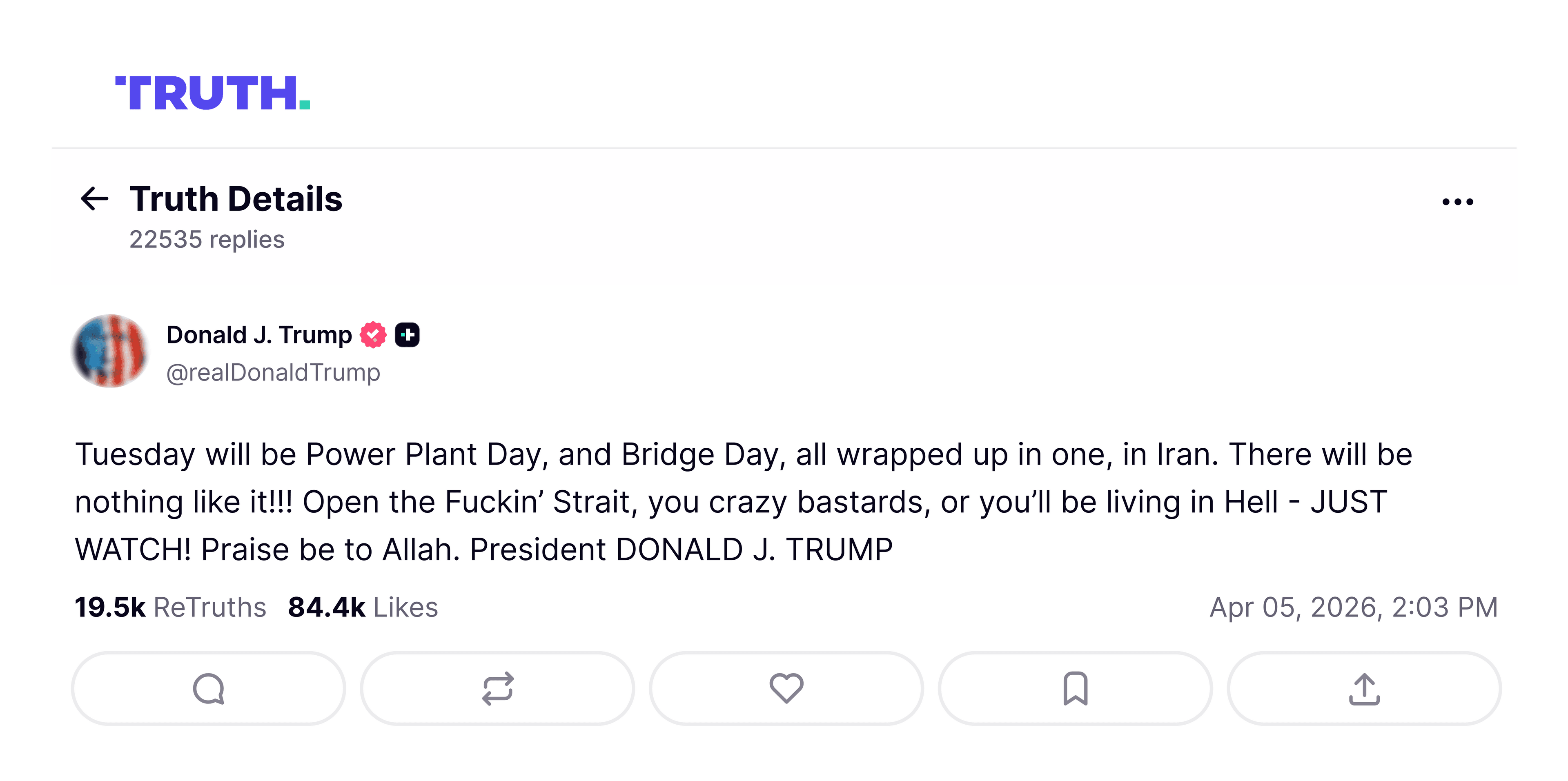
Ministers from the G7 group of leading industrialised nations are set to meet in Paris, where European top diplomats plan to press US Secretary of State Marco Rubio to steer clear of any new escalation with Iran. The G7 members are Britain, Canada, France, Germany, Italy, Japan and the United States. The meeting gives Europe and its allies a chance to raise their concerns with their American counterpart directly.
Europe wants to avoid escalation
German Foreign Minister Johann Wadephul said, "We certainly cannot afford any military escalation at this point." He added that the G7 talks would focus on finding ways to make sure such escalation is avoided. His remarks point to a clear European priority: keeping the situation from worsening while diplomacy continues.
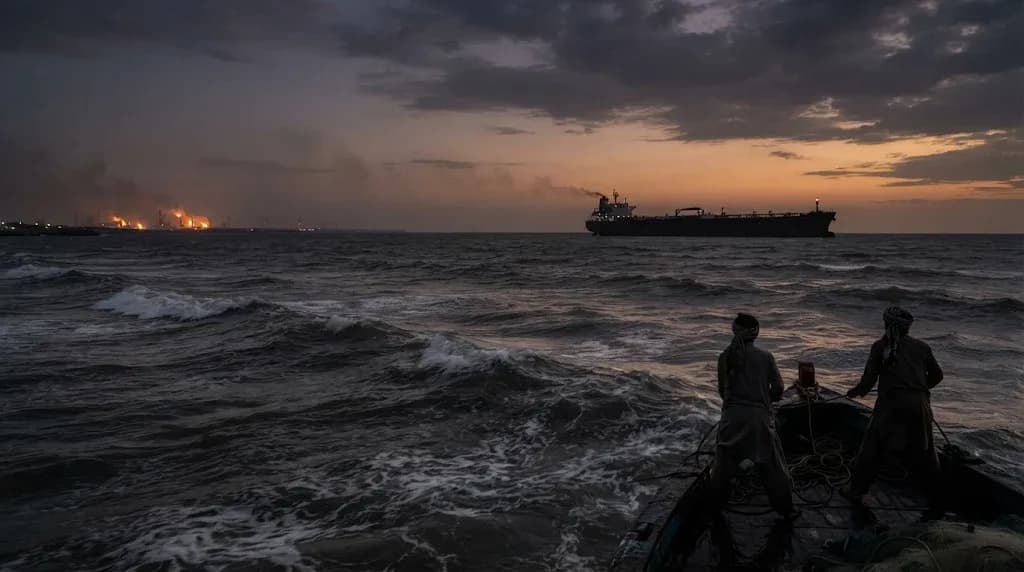
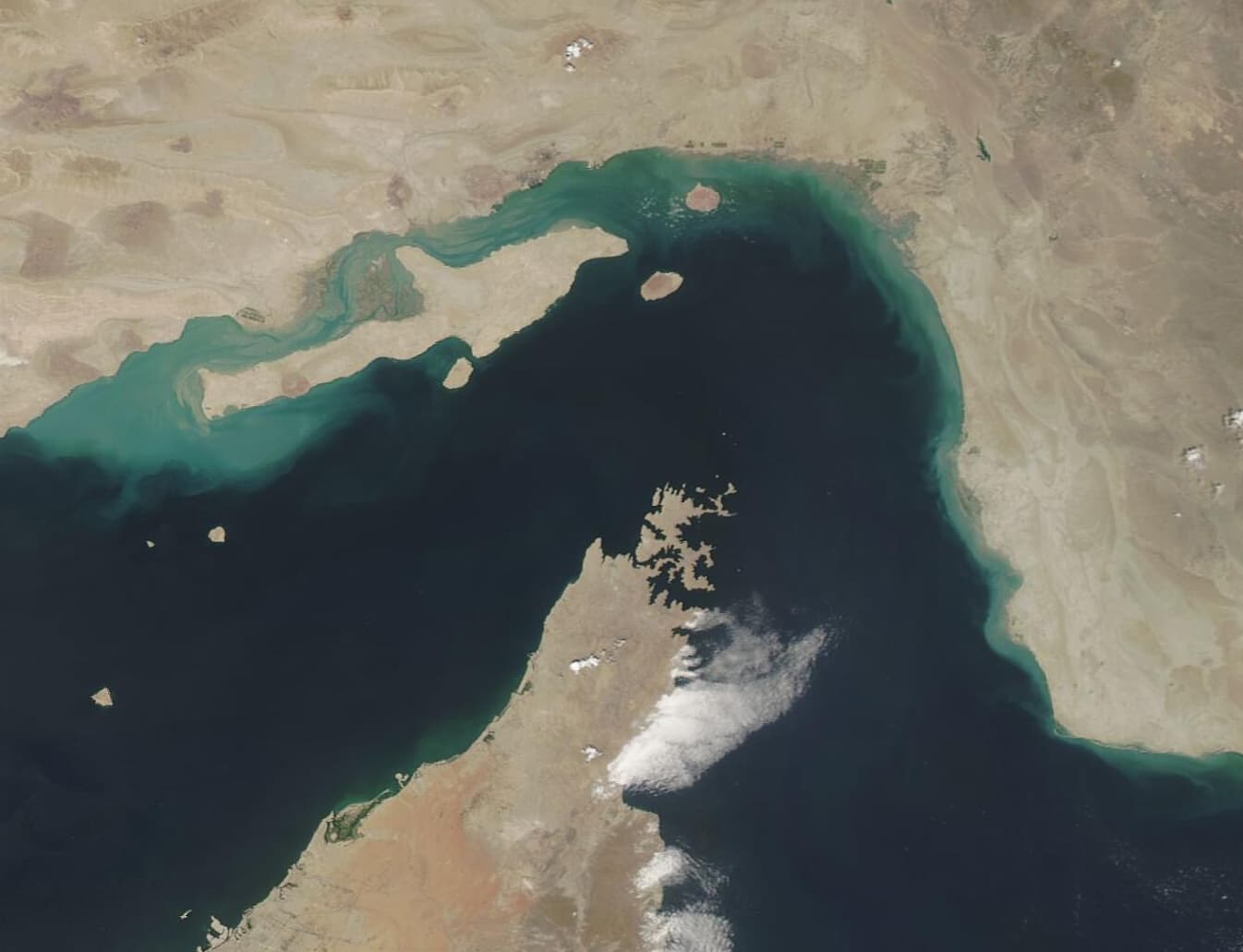
European governments are also eager to see a resolution and to have shipping traffic return to normal in the Strait of Hormuz, an energy transit hub. The strait is a narrow waterway through which oil and gas shipments from the Gulf move, so any disruption there is watched closely far beyond the region.
What comes next
The Paris meeting gives European diplomats a direct opportunity to air their concerns with the US Secretary of State. No outcome of the talks has been reported so far, and it is not yet clear what measures, if any, the G7 members will agree on. Readers should watch for official statements from the participating governments after the meeting.
Aasan alfaaz mein
G7 ke wazir Paris mein milne wale hain, aur European diplomats US Secretary of State Marco Rubio par zor denge ke Iran ke saath koi naya tanaav na barhe. German Foreign Minister Johann Wadephul ne kaha ke ab military escalation afford nahi ki ja sakti. Hormuz mein shipping normal honay ka intezar hai, aur iska asar tel ki qeemton aur Pakistan ki maeeshat par pad sakta hai.