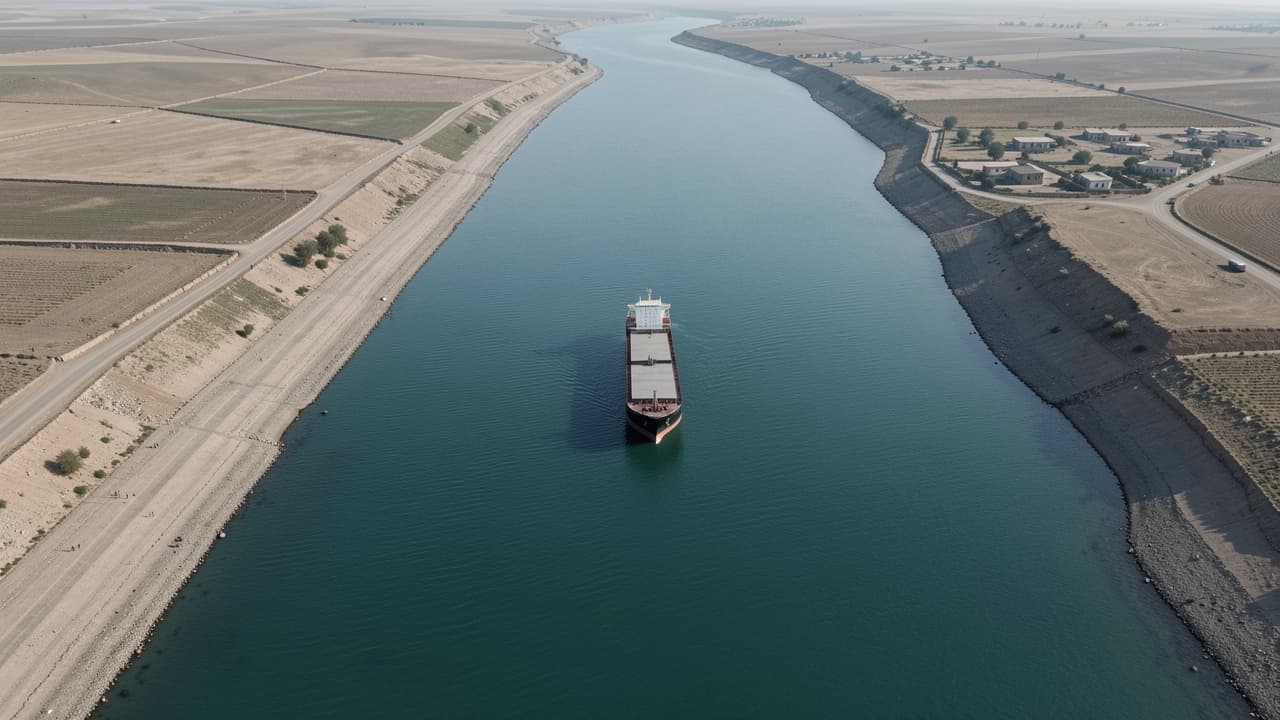
Pakistanis who track fuel costs have only a short report to weigh. Dawn says Iran's Islamic Revolutionary Guard Corps (the Revolutionary Guards, a branch of Iran's armed forces) claims it struck a supertanker in the Strait of Hormuz.
A second item, also labelled as Dawn, repeats that claim. It does not name the vessel or describe damage. This piece treats the account as the Guards' statement as relayed by Dawn, not as an attack confirmed by the ship or by another government.
What the reports say
Both items attribute the action to the Revolutionary Guards, call the target a supertanker, and place it in the Strait of Hormuz. They give no time, no point inside the seaway, no flag, and no comment from the company that operates the ship.
Without those details there is no basis here to say how any strike was carried out, whether the ship was stopped, or whether anyone was hurt. The headline is the claim. It is not a full incident report.
Why the seaway matters for Pakistan
The Strait of Hormuz is the narrow passage out of the Gulf, between Iran and the Arabian Peninsula. Oil tankers use it on voyages toward buyers in Asia. Pakistan buys petrol, diesel, and other fuels abroad because domestic output does not cover demand, so a serious hold-up on that passage can reach transport fares, food distribution, and power bills. These reports do not say that cargoes have halted or that a Pakistani importer has lost a shipment.
What comes next
A clearer picture would need the tanker's owner, shipping monitors, or governments that use the seaway to describe what they have seen. If those accounts match the Guards, readers in Pakistan would then watch tanker insurance, refinery schedules, and official fuel prices. Until then, the story remains Dawn's report of a claimed strike on a supertanker in the Strait of Hormuz, still short of independent detail.