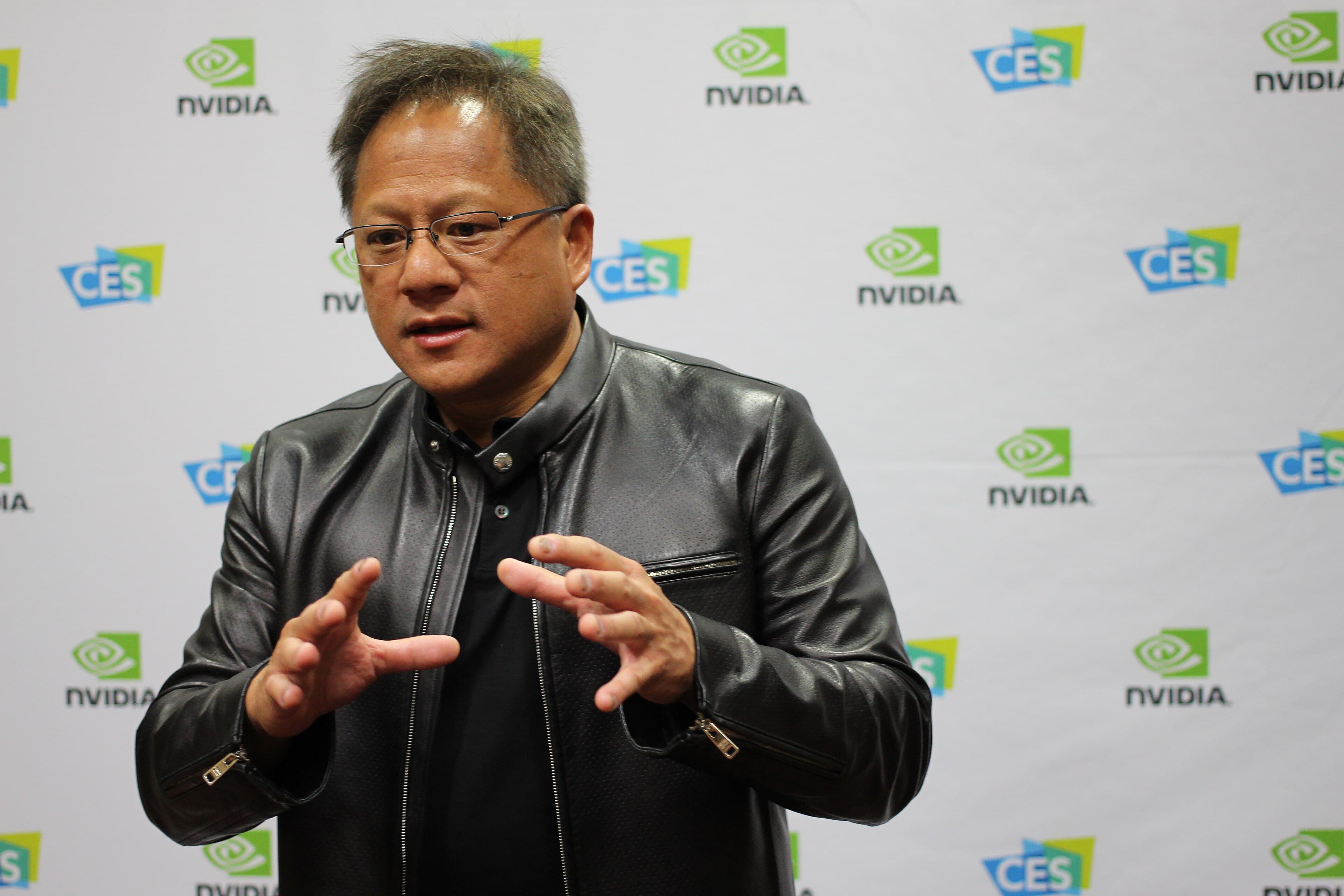
Nvidia will stop selling its H200 chips in China, acting chief executive Colette Kress said on Tuesday, ending the company's part in a controversial loophole in the Nvidia chip ban in China set by the United States. The move is a sharp shift for a company that has long defended its China business, and it came during the first earnings call since co-founder Jensen Huang stepped down as chief executive last week. Kress said the company's top-line revenue would not be hit immediately, though analysts expect a cut to future data center sales.
How the H200 deal worked
The arrangement to sell H200 chips in China was brokered by Huang and President Donald Trump. Under it, the chips had to be shipped through the United States, which allowed the government to collect a 25% tariff. China hawks opposed the route, arguing that it gave Chinese labs more computing power and put America's lead in AI at risk. Huang countered in April that conceding the market would be a disservice to the United States technology industry.
Even before Nvidia's decision, China had largely refused to accept H200 deliveries. Jacob Feldgoise, a researcher at Georgetown's Center for Security and Emerging Technology, said Beijing would rather build demand for the country's domestic chip industry, even though large AI users want Nvidia's more advanced equipment.
New rules and what they could cost Nvidia
New export rules issued on Monday bar advanced US chips from foreign data centers that serve Chinese customers remotely. Export control attorney Dan Fisher-Owens said data centers wanting Nvidia chips would have to certify that they are not serving Chinese customers. Operators that cannot give that certification may turn to other chip options, which could further erode Nvidia's market share.
Investment bank Jefferies estimated that the rules could trim between $44 billion and $62 billion from Nvidia's data center revenue next year. Kress said a backlog of demand for advanced chips such as Vera Rubin meant the rules would have no effect on top-line revenue. Critics argue that as much as 20% of Nvidia's revenue comes from demand linked to China, and its Singapore subsidiary had annual revenue of $104 billion in 2025, before the company stopped disclosing those figures.
Over the longer term, Nvidia may lose potential customers in Singapore, Malaysia, Thailand and Indonesia. Chinese frontier AI labs have still found ways to reach Nvidia hardware. All of China's leading AI models show evidence of training on Nvidia Grace Blackwell chips, which are banned from export to China, and some of that training may have happened at data centers outside China. On the same day as Kress's remarks, Nvidia also said it was creating a board-level committee to oversee national security policies, export control compliance and global trade risks.
Timeline: what has happened so far
- April: Huang told podcaster Dwarkesh Patel that conceding the China market would be a disservice to the country.
- Last week: Huang stepped down as Nvidia's chief executive and co-founder.
- Monday: New US export rules barred advanced chips from foreign data centers serving Chinese customers remotely.
- Tuesday: Kress said Nvidia will no longer sell H200 chips in China, and the board committee was announced the same day.
Aasan alfaaz mein
Nvidia ne kaha hai ke woh China mein H200 chips nahi bechay gi, aur yeh faisla naye US export qawaneen ke waqt par aaya hai. Company ke mutabiq aagay ki aamdani par foran bara asar nahi hoga, lekin analysts agle saal data center sales mein bari kami ka andaza laga rahe hain. Pakistan mein is ka seedha asar bijli, petrol ya kisi aur cheez ki qeemat par abhi wazeh nahi hai. Lekin AI chips ki market mein tabdeeli ka asar waqt ke saath aage tak ja sakta hai.