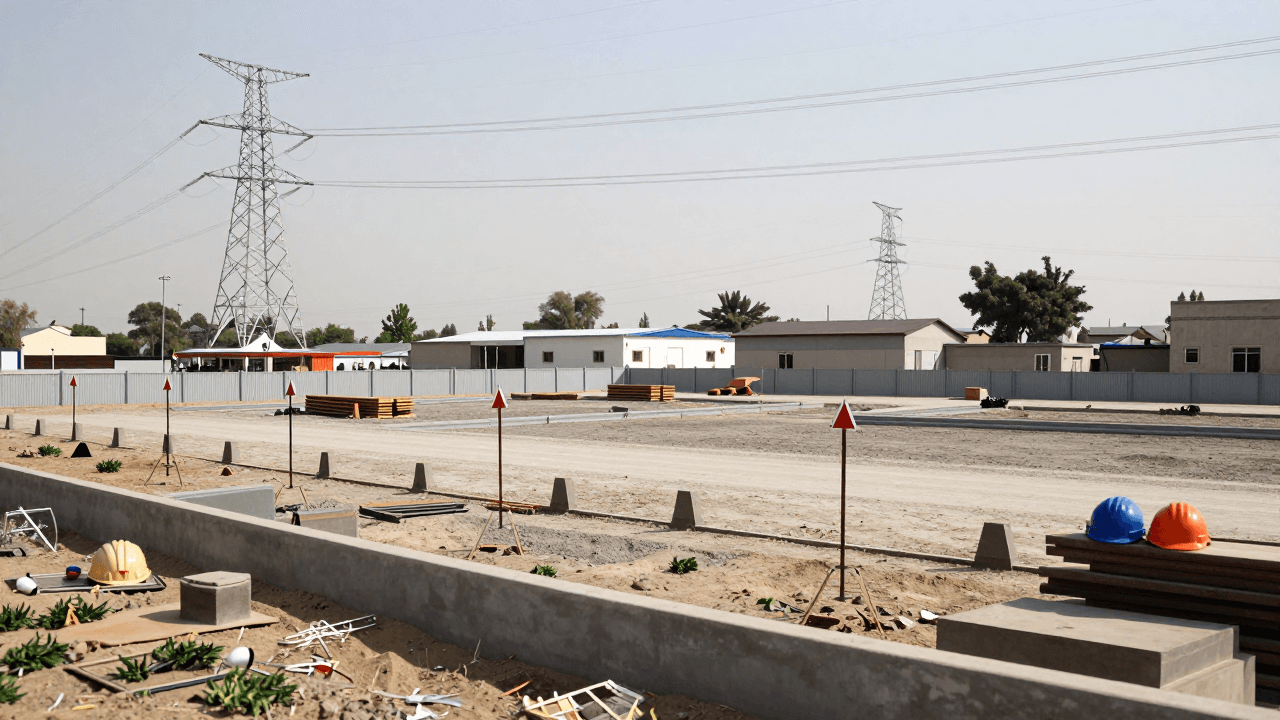
The Reko Diq project cost increase has pushed the estimated development cost up 30 percent, to $9.1 billion from an earlier estimate of $7 billion, according to a report by the Institute of Cost and Management Accountants (ICMA). The $2.1 billion rise also comes with a possible delay: initial production, first targeted for the end of 2028, could move to 2030. Barrick, the international mining company that holds half of the project, has not formally confirmed a revised production date.
Cost breakdown and who carries the risk
The ICMA figures show the increase falls on both phases of the mine. The estimate for Phase I has moved from $4 billion to $5.6 billion, while Phase II has risen from $3 billion to $3.5 billion. The first phase is designed to process 45 million tonnes of ore a year, rising to 90 million tonnes under the second phase, over a mine life of 37 years.
Ownership is split between Barrick at 50 percent, the Government of Balochistan at 25 percent, and three Pakistani state-owned enterprises (SOEs) that together hold the remaining 25 percent. The SOEs are Oil and Gas Development Company Limited (OGDCL), Pakistan Petroleum Limited (PPL) and Government Holdings (Private) Limited (GHPL), and they have committed about $1.88 billion between them. The ICMA report warns that delays could postpone dividend income for these firms, increase their financing exposure and raise the opportunity cost of capital already committed.
Barrick began a review of the project in February 2026 and announced a slowdown in development in April. The review has been extended to mid 2027 to reassess security conditions in Balochistan, financing, capital requirements and timelines. The company has also cautioned that earlier cost and schedule figures could change.
Long-term value and what is still unclear
The ICMA report estimates the project could generate about $74 billion in free cash flow, meaning the cash left after operating costs and investment, over its 37-year mine life. That figure should not be read as revenue flowing directly to Pakistan. Actual benefits depend on ownership distributions, taxes, royalties, reinvestment and the participation of local businesses.
Construction could employ up to 7,500 workers at its peak, and around 4,000 permanent jobs are expected once the mine operates. The Reko Diq copper and gold mine is designed to produce copper and gold concentrate, with smelting and refining outside the current scope. That means local processing is not guaranteed and would depend on energy, infrastructure, technology and access to markets.
The report argues that commercial viability must stay central to decisions about the project. It calls for transparent disclosure of capital commitments, independent oversight, regular financial reviews and clear accountability to shareholders.
Timeline: what has happened so far
- February 2026: Barrick initiated a review of the Reko Diq project.
- April 2026: Barrick announced a slowdown in development and extended the review.
- Mid 2027: The review is scheduled to end, reassessing security, financing, capital requirements and timelines.
- End of 2028: Initial production was originally targeted for this period.
- 2030: The ICMA report says initial production could shift to this date, though Barrick has not formally confirmed it.
Aasan alfaaz mein
Reko Diq Balochistan mein ek bada mining mansoobah hai, aur iski lagat 30 fisad barh kar 9.1 arab dollar ho gayi hai. Is mein teen Pakistani sarkari companies ka hissa hai, aur pehli paidawar 2028 ke bajaye 2030 tak khisak sakti hai. Bijli aur petrol ki qeemat par is khabar ka seedha asar nahi bataya gaya, lekin companies ke munafe aur naukriyon ke mauqon ki timing par asar ho sakta hai. Barrick ne nayi tareekh ki tasdeeq abhi nahi ki hai.