Monday's address in Islamabad by Deputy Prime Minister and Foreign Minister Ishaq Dar put Afghanistan's Taliban authorities on notice. Ignore militants based across the border, he argued, and they will one day bear the cost themselves. He placed Pakistan, Afghanistan and the TTP — the banned Tehreek-e-Taliban Pakistan — at the centre of the country's security problem during the ISSI conference on Pakistan's evolving terrorism landscape, Geo News reported.
What Dar asked of Kabul
Dar described terrorism as the biggest challenge for the region and the world. The heart of Ishaq Dar's statement today was a single demand: Afghan territory should not be available for attacks on neighbouring countries. "If the Afghan government does not take action against terrorists, one day it will have to face the consequences itself," he said.
He said Pakistan has taken the issue up in talks and in visits to Afghanistan, including a trilateral meeting with China and Afghanistan in Kabul in August last year. The Taliban regime, he said, has not met its commitments on terrorism. He called on those authorities to stop giving terrorists weapons and other help without delay.
Losses, daily operations and outside help
Field Marshal Syed Asim Munir, as Chief of Defence Forces and Chief of Army Staff, has directed operations against terrorists that Dar said now run every day. Dar put Pakistan's losses in the war against terrorism at more than 90,000 lives and asked other governments to acknowledge them. Among the cases he named were the Jaffar Express incident and the abduction and killing of workers in Balochistan.
Security forces and law enforcement agencies have met the threat with determination, he said, but the violence has hurt Pakistan's image abroad. Recognition of those sacrifices, he added, is not enough by itself. He asked for international cooperation to strengthen the capacity of those agencies.
September's attacks and the border
According to Geo News, September 2026 brought Pakistan's highest monthly number of militant attacks in 12 years. The Pakistan Institute for Conflict and Security Studies (PICSS), an Islamabad think tank that tracks anti-state violence, recorded 225 militant attacks that month, against 199 in August — a rise of 13 percent, and a third straight month of increases. The report said cross-border incidents have climbed sharply, especially in Khyber Pakhtunkhwa and Balochistan, since the Afghan Taliban returned to power in 2021.
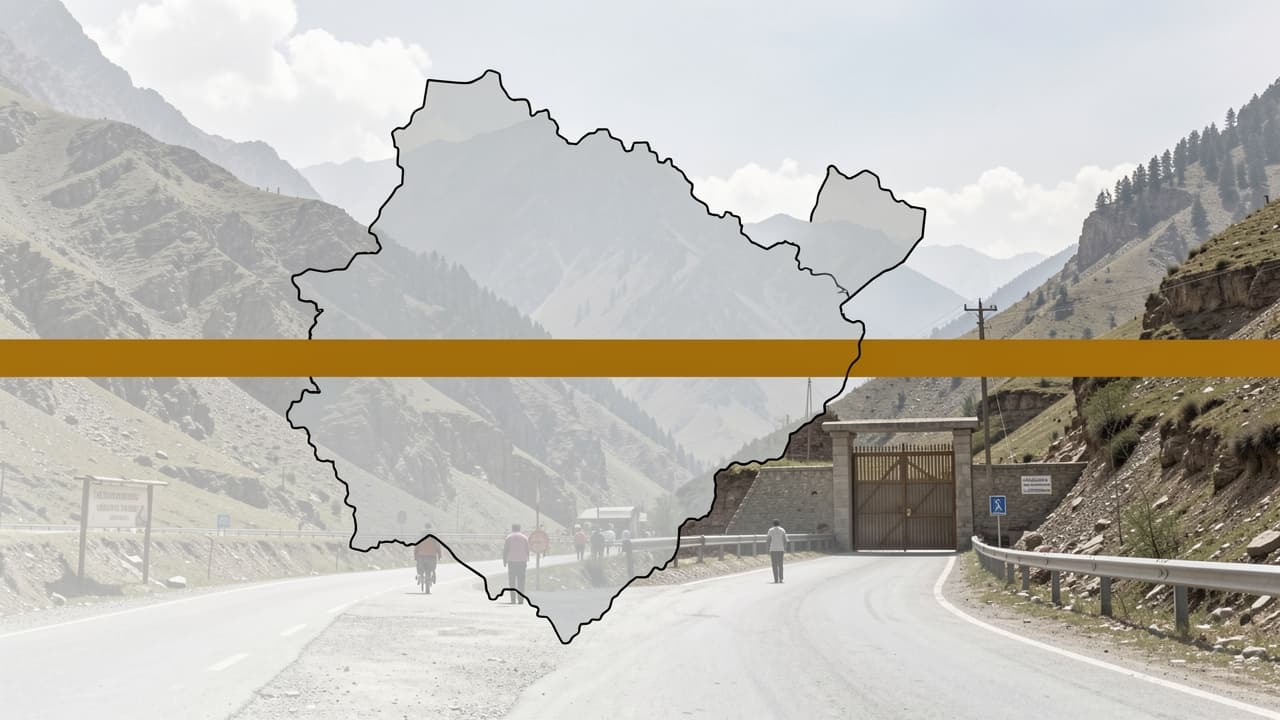
Fighters, Dar said, use mountain routes to enter, strike, and withdraw to shelter. That pattern, he said, is why the Pakistan-Afghanistan border was shut. After contact from the United Nations, he said, 1,000 containers were permitted to move into Afghanistan.
A threat he says will not stay inside Pakistan
Dar said Pakistan, Afghanistan and the TTP are linked by the banned group's presence in Afghanistan, together with other militants, and that this threatens regional peace. The groups, he said, receive support from outside. He said India is supporting terrorism in Pakistan and pointed to Kulbhushan Jadhav, whom Islamabad says was a serving officer in the Indian navy involved in espionage, sabotage and terrorist activities. Those shelters, he warned, may not remain a problem for Pakistan alone; other states could be hit from the same bases.