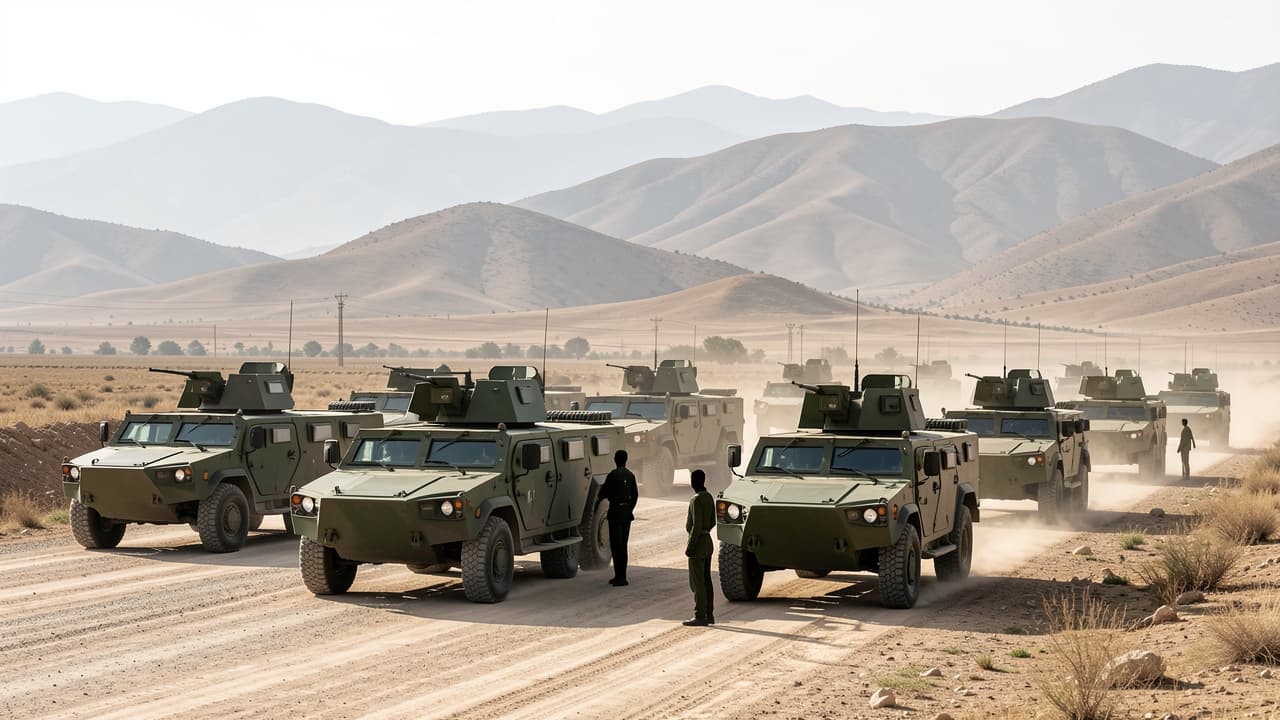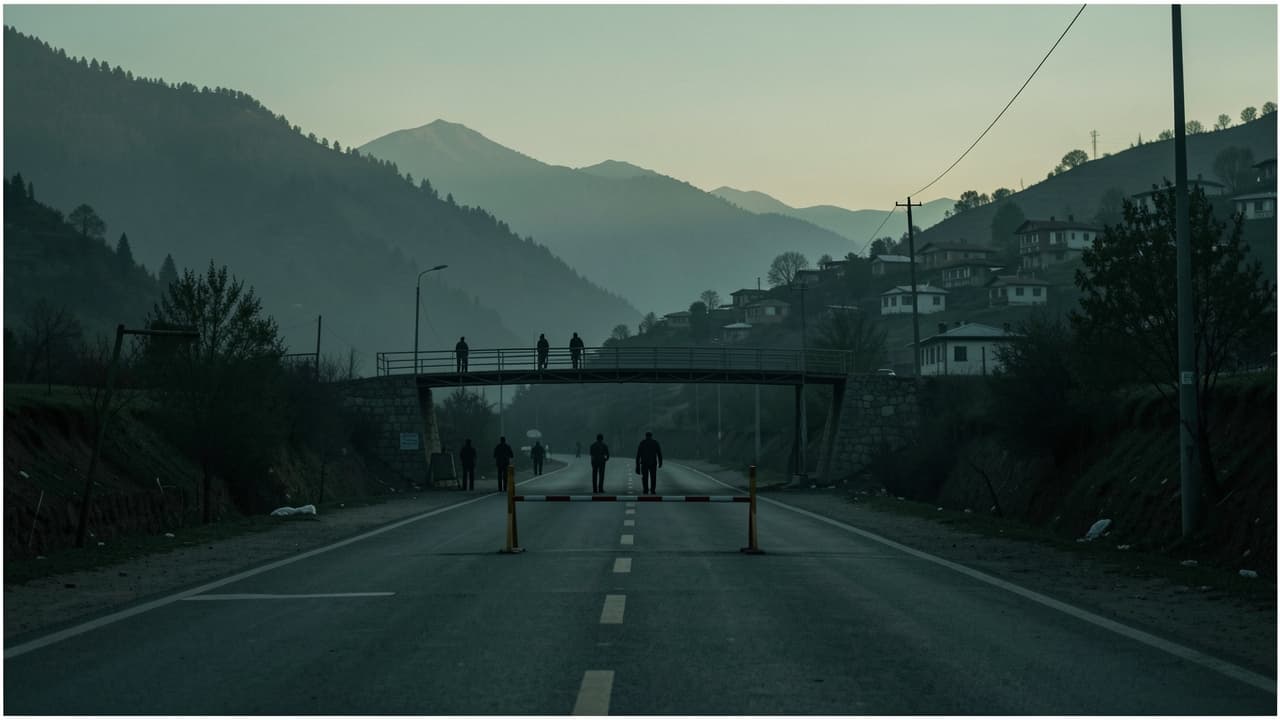
Indian army and police arrested 10 people on October 12 in separate crackdowns across Islamabad district in South Kashmir, the Associated Press of Pakistan reported. The same dispatch said army and police had also launched a cordon-and-search — a sweep in which personnel surround a locality and search it — in the Seer Hamdan area of Mattan. APP described the arrests as separate from that operation.
Where the 10 were held
The agency named each person and the spot of the arrest. Mohammad Iqbal Dangroo was held at a checkpoint in Lessu, and Mushtaq Ahmad Butt at Hatigam crossing. Police arrested Muhammad Arif Magray near Krad Bridge. Mohammad Ashraf Ganaie was arrested at a footbridge in Bumzoo, within Mattan.
Further stops produced four more detentions of men the report did not link to another Indian state. Fayaz Ahmad Magray was arrested at a checkpoint in Bondialgam, and Irshad Ahmad Ganaie at Shehlipora crossing. Police arrested Feroze Ahmad Sofi in Akingam, part of Achabal, and Aijaz Ahmad Lone in Cheerpora. These places all sit in the district APP was reporting on, so the detentions were spread across South Kashmir rather than limited to the Mattan cordon.
In Arwani, forces arrested Mukhtar Ali and Dolal Ali. APP said both are residents of West Bengal, in India. Police, the agency reported, said all 10 were in custody and that investigations had been opened. The story does not mention a court hearing, a charge sheet, or how long anyone would be held.
What police said about charas
Charas, a resin prepared from cannabis, was recovered from Mukhtar Ali and Dolal Ali, police said, according to APP. The report ties that seizure only to the pair arrested in Arwani. It does not say drugs were found on Mohammad Iqbal Dangroo, Mushtaq Ahmad Butt, the two Magrays, the two Ganaies, Feroze Ahmad Sofi or Aijaz Ahmad Lone.
APP then offered a wider political reading. It argued that arrests of Kashmiri youth on drug-peddling allegations are used to justify detentions under laws it called draconian, and that the practice keeps up fear, harassment and intimidation. The aim, the agency wrote, is to suppress Kashmiris' demand for a UN-pledged plebiscite, meaning a direct vote it says was promised under the United Nations. APP did not name the laws or quote a police statement applying drug allegations to all 10.
What remains unconfirmed
The account from South Kashmir comes from a single APP dispatch, filed in Islamabad. The agency describes the territory as Indian illegally occupied Jammu and Kashmir. It does not quote the people arrested, their families, or an Indian army or police spokesperson beyond the brief police lines on custody, investigations and the charas seizure. It also does not say the Seer Hamdan search itself led to any of the arrests. Until another account is available, those limits are the public record of the episode.