A Pakistani astronaut is preparing to join China's Shenzhou-24 mission as a payload specialist, a crew role centred on scientific equipment and experiments rather than flying the spacecraft. China's Manned Space Agency said the astronaut would make a brief orbital flight and come back to Earth on the Shenzhou-23 spacecraft. If the plan goes ahead, the astronaut would be the first overseas visitor to China's orbiting laboratory, the country's space station.
For Pakistan, the flight is expected to bring more than prestige. Its main value lies in hands-on experience with crewed spaceflight, the running of scientific payloads and astronaut training, all of which could feed into the country's longer-term space goals.
The mission and what Pakistan gains
Zhang Chaozhe, Director of the Pakistan Study Center at Sichuan University, described crewed spaceflight as one of the hardest areas in which countries can work together scientifically. In his view, having a Pakistani astronaut aboard China's station would give Pakistan training, research and operating know-how that would be hard to build on its own. Such work demands close coordination on astronaut safety, technical systems and mission control, which rests on a high level of mutual confidence.
Decades of space cooperation with China
Pakistan's ties with China in space predate this mission by more than three decades. Badr-1, the country's first experimental satellite, was launched on a Chinese rocket from the Xichang Satellite Launch Center in 1990. More recently, a Chinese Long March-6 rocket placed the PRSC-EO3 remote-sensing satellite into orbit in April 2026. Zhang said the partnership has moved from satellite launches to much more advanced work, and that an astronaut flying on a Chinese crewed mission reflects deeper bilateral trust.
Opening China's station to other countries
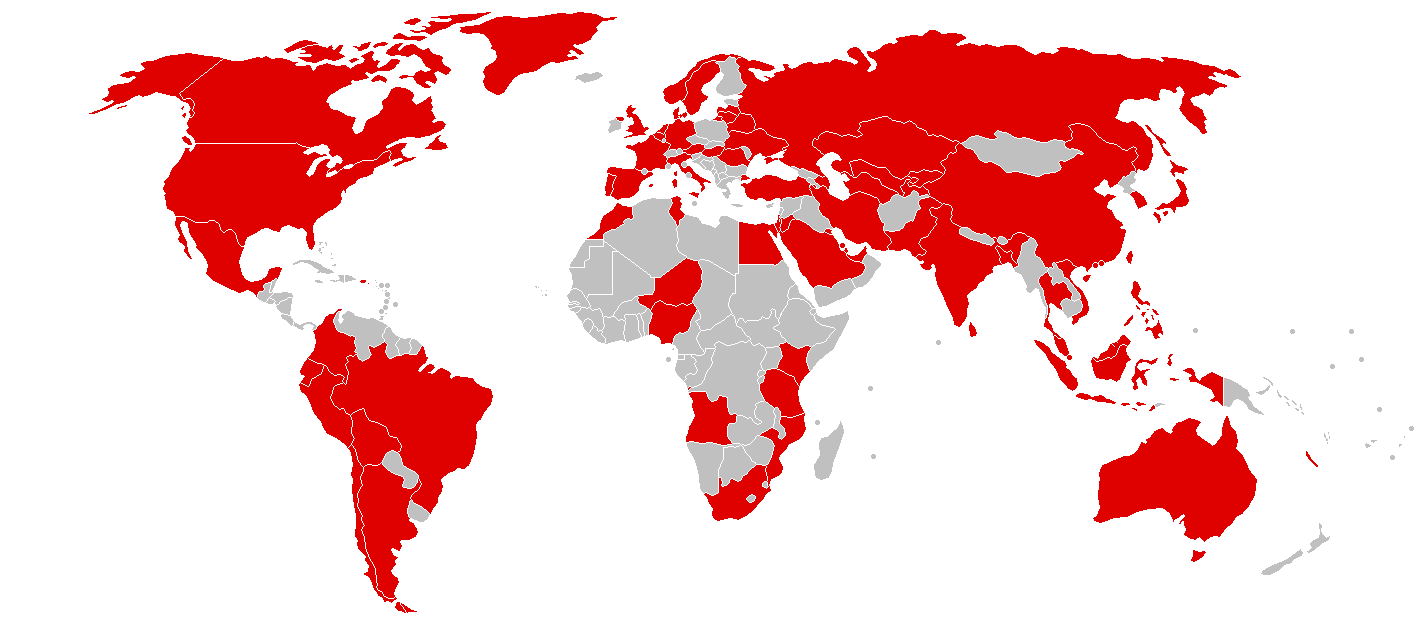
Beyond bilateral ties, China has offered its space station to researchers from other countries through a partnership with the UN Office for Outer Space Affairs (UNOOSA). Nine projects, involving 23 institutions across 17 UN member states, were picked in the first round. For countries with smaller space programmes, this offers a way to run experiments in orbit without building their own launch and orbital systems.
Zhang argued that space exploration should not stay limited to a handful of countries with established programmes. Wider international cooperation, he said, can help developing nations take part in research, gain experience and build their own capacity over time. The next step is the astronaut's training ahead of the flight, and for Pakistan the experience could become a base for further growth in its space sector.
Aasan alfaaz mein
Pakistan ka aik astronaut China ke Shenzhou-24 mission mein payload specialist ke taur par shamil hone ja raha hai. Yeh China ke space station par jaane wala pehla ghair mulki astronaut hoga, jo Shenzhou-23 par wapas aaye ga. Is se aam logon ke bills par seedha asar nahi hota, lekin Pakistan ke space sector ko insani mission ka tajarba milega. Pakistan aur China ka space ka ye rishta 1990 ke Badr-1 satellite tak jaata hai.