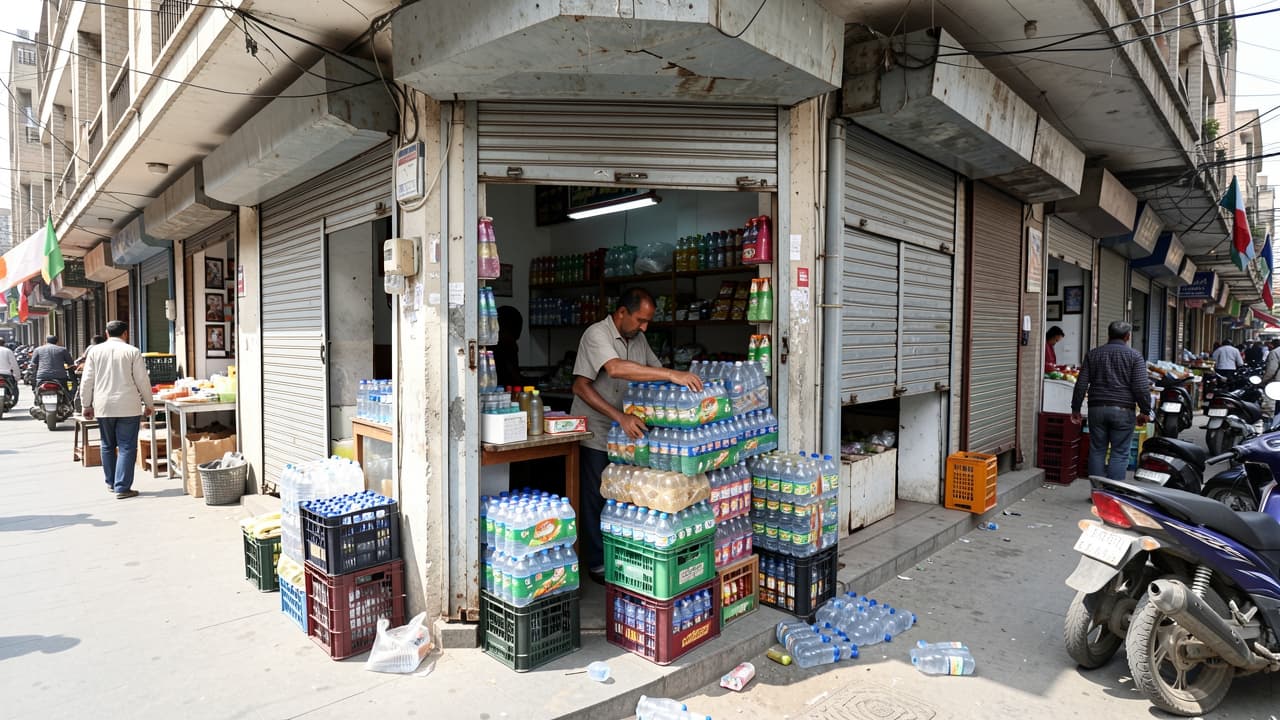
Shops and consumer goods companies in Islamabad have been told to stop selling products packaged in PET bottles, and the CDA PET bottle ban is now being enforced in the capital, according to retailers. PET, or polyethylene terephthalate, is the plastic used in many water and soft drink bottles. The Capital Development Authority (CDA) is the civic body that oversees development in the federal capital. The sources contain no on-record statement from the CDA, so the basis for the order is not confirmed. In response, business leaders agreed to form a joint committee to press their case with the authorities.
What the directions say
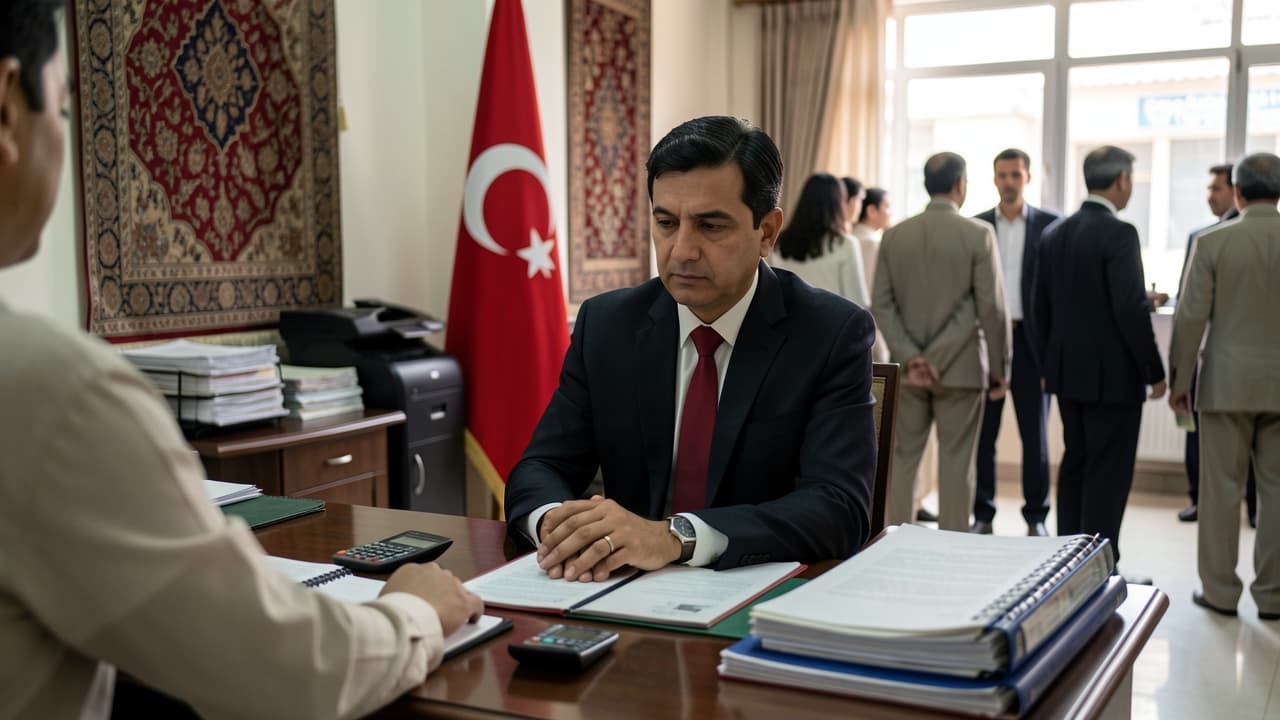
Retailers and fast-moving consumer goods (FMCG) companies, which make and sell everyday food, drink and household items, were given verbal instructions to stop selling products in PET bottles across several categories. The instructions were tied to the office of the chief commissioner and the chairman of the CDA, retailers said. No warning or formal notification was issued. Local administration authorities then began enforcement, including sealing several retail outlets across the city.
The reports do not agree on how to describe the measure. Some call it a ban already in force, while business groups refer to a proposed ban they want withdrawn. The reporting also does not say whether a written order exists or what reason the CDA gave.
Traders and business groups respond
The Overseas Investors Chamber of Commerce and Industry (OICCI) wrote to Interior Minister Mohsin Naqvi, asking him to withdraw the proposed CDA PET bottle ban and to focus on waste collection, segregation and recycling instead. The CoRe Alliance asked the Board of Investment to intervene. Industry voices argue that PET is lightweight, food-grade and fully recyclable, and that used bottles are collected and turned into fibres, packaging and new bottles. They warned that a sudden ban could put the livelihoods of thousands of workers in waste collection and recycling at risk.
At a meeting held at the Islamabad Chamber of Commerce and Industry (ICCI), chaired by its president, Mohammad Zikria Akbar Zia, the business community decided to form a joint committee. It will bring together the ICCI, market associations, traders and other business sectors to deal with the authorities. Zia said traders should get prior notice and a fair chance to fix violations before any coercive steps are taken. He added that grocery stores, dairies, restaurants, wholesalers and beverage firms each have different needs, and that the business community does not oppose environmental protection.
The sources do not give a date for the committee's first talks or any reply from the CDA. Whether the CDA PET bottle ban will be changed, or a transition period will be given, is not yet confirmed.
Timeline: what has happened so far
- Date not given: verbal directions from the office of the CDA chairman told retailers and FMCG firms to stop selling PET-packaged products.
- Overnight, as reported on 14 October 2026: local administration began enforcement, including sealing of retail outlets, retailers said.
- 14 October 2026: business groups warned in reports that a blanket PET packaging ban would harm the economy, recycling and government revenue.
- Wednesday (exact date not stated): traders agreed at the ICCI meeting to form a joint committee.
Aasan alfaaz mein
Islamabad mein CDA ne zubani hidayat di hain ke PET bottles mein band products ki farokht band ki jaye, aur kuch dukanein seal bhi ho gayi hain. Dukandaron ke mutabiq yeh faisla bina kisi notice ke aaya, is liye tajir ab notice aur waqt maang rahe hain. Tajiron ne ICCI ke zariye mushtarka committee banane ka faisla kiya hai taake hukumat se baat ho sake. Aap ke liye iska matlab yeh hai ke kuch cheezein dukanon par kam mil sakti hain, aur aage ka faisla abhi baaqi hai.