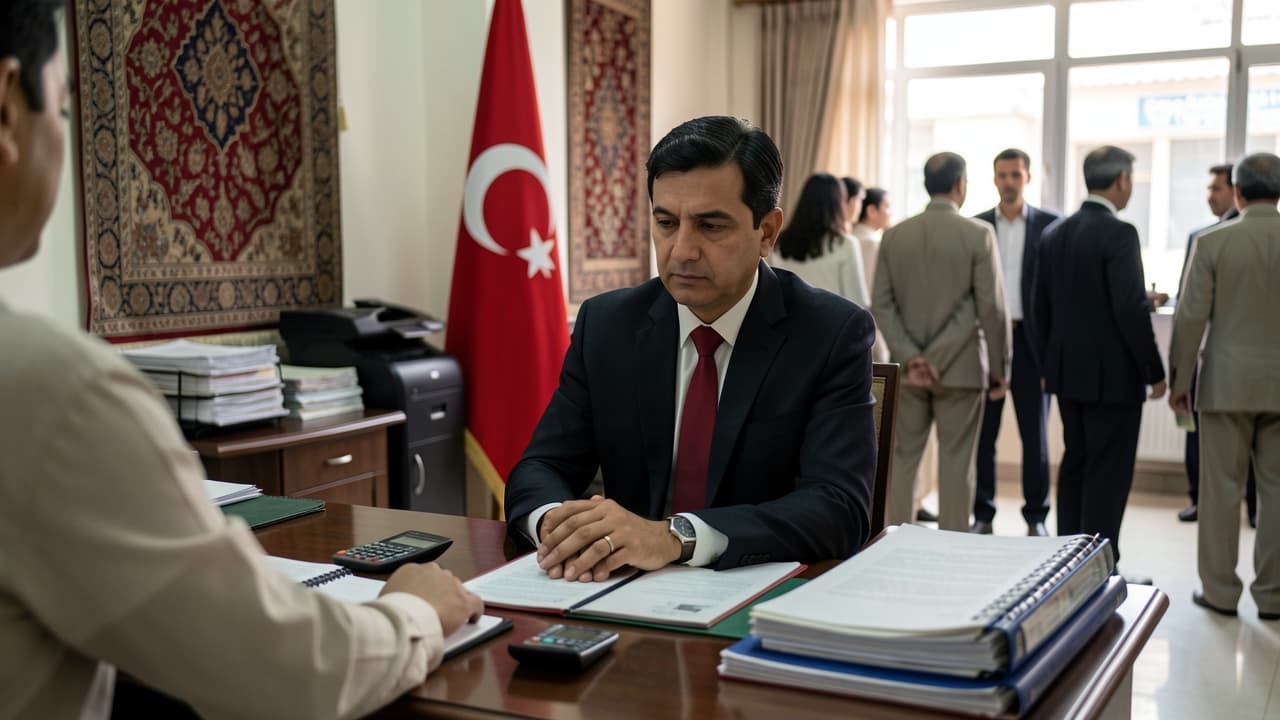
The fiscal deficit of Pakistan has fallen to 2.6 percent of GDP from a peak of 12.5 percent, Federal Minister for Finance and Revenue Senator Muhammad Aurangzeb said on Wednesday, October 14. In the same remarks, he said tax revenues rose 40 percent over the past two years. GDP, or gross domestic product, is the total value of goods and services produced in the economy, so the ratio shows the size of the gap between government spending and income relative to the economy as a whole.
The minister made the remarks at a panel discussion on sovereign risk at the World Bank–IMF Annual Meetings 2026 in Bangkok. He credited the turnaround to fiscal discipline, revenue mobilisation, debt management and structural reforms. These are his own figures, and the remarks did not include the official budget documents or an independent check.
What the minister said about the deficit and revenue
Aurangzeb said the fiscal deficit reached a 22-year low in the last fiscal year, and that the country had recorded three consecutive years of primary surpluses. A primary surplus means government revenue is larger than spending before interest payments on debt. He also said inflation, which had peaked at 38 percent, fell to single digits before recently moving back into the 10 percent range amid what he described as an ongoing conflict.
On revenue, the minister said Pakistan's tax-to-GDP ratio, which measures tax collected as a share of the economy, rose from around 8.5 percent to 10.3 percent. He described domestic revenue collection as the starting point of the recovery. He also acknowledged that getting people to pay taxes is one of the hardest parts of economic reform, and pointed to expenditure reduction and privatisation as further steps. The remarks did not give rupee totals for tax collection, so the 40 percent growth rate cannot be matched to absolute amounts from this report.
On reserves, Aurangzeb said foreign exchange reserves had improved from a level covering only two weeks of imports to about three months of import cover. He said this gives the country more room to absorb domestic and external shocks.
Debt, reserves and the IMF programme
The minister said the overall debt-to-GDP ratio fell from around 75 percent to 68 percent. Debt servicing is the largest item in the federal budget, so the government carried out domestic debt operations, including buybacks and extending maturities, to lower borrowing costs. On external debt, he said Pakistan had regained access to international capital markets after a gap of four years. A $3 billion international bond issued in the first week of September benefited from favourable market conditions, he said.
On the International Monetary Fund (IMF), a global lender, Aurangzeb said the government wants to use its Extended Fund Facility, a longer-term loan programme, to make stability more durable and push long-delayed reforms in taxation, energy, tariffs, state-owned enterprises and pensions. He said the difference from earlier programmes is that political leaders, particularly the prime minister, own the reform agenda. The IMF mission left on October 7 after reaching a staff-level agreement, which is a technical understanding that still needs formal approval. He acknowledged resistance to change, and said macroeconomic stability was only the foundation, with sustainable growth needed next so that benefits reach ordinary households.
Timeline: what has happened so far
- First week of September: Pakistan issued a $3 billion international bond, which the minister said benefited from favourable market conditions.
- October 7: The IMF mission departed after a staff-level agreement, which the minister said showed the country remained on course.
- October 14: Aurangzeb presented the deficit, revenue and debt figures at a panel in Bangkok during the World Bank–IMF Annual Meetings 2026.
Aasan alfaaz mein
Finance Minister Muhammad Aurangzeb ne kaha hai ke Pakistan ka fiscal deficit 12.5 percent ki peak se girkar GDP ka 2.6 percent reh gaya hai. Tax ki wasooli 40 percent barh gayi hai, lekin unka kehna hai ke logon se tax lena ab bhi mushkil kaam hai. Mehngai 38 percent ki peak se neeche aayi thi, lekin ab phir 10 percent ke qareeb hai. Aam aadmi ke liye iska matlab hai ke bazar ki qeematon par nazar rakhni hogi, kyunke maeeshat ki behtari abhi shuru hui hai.