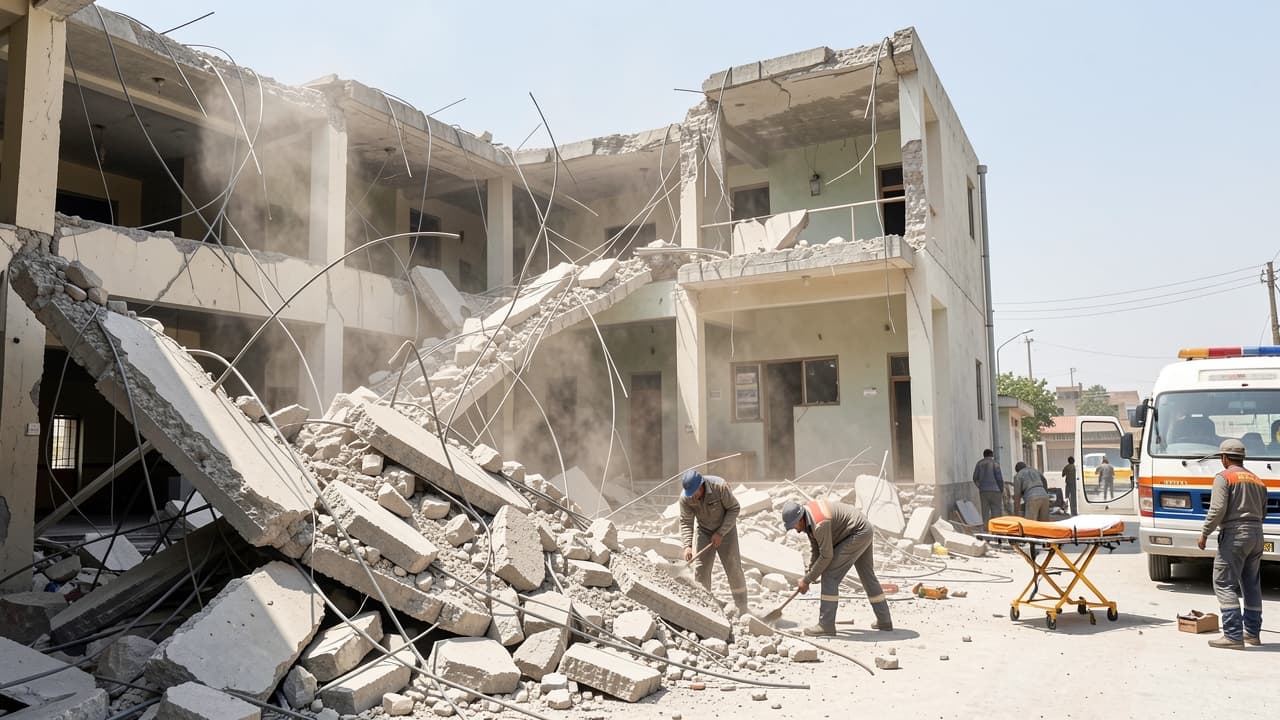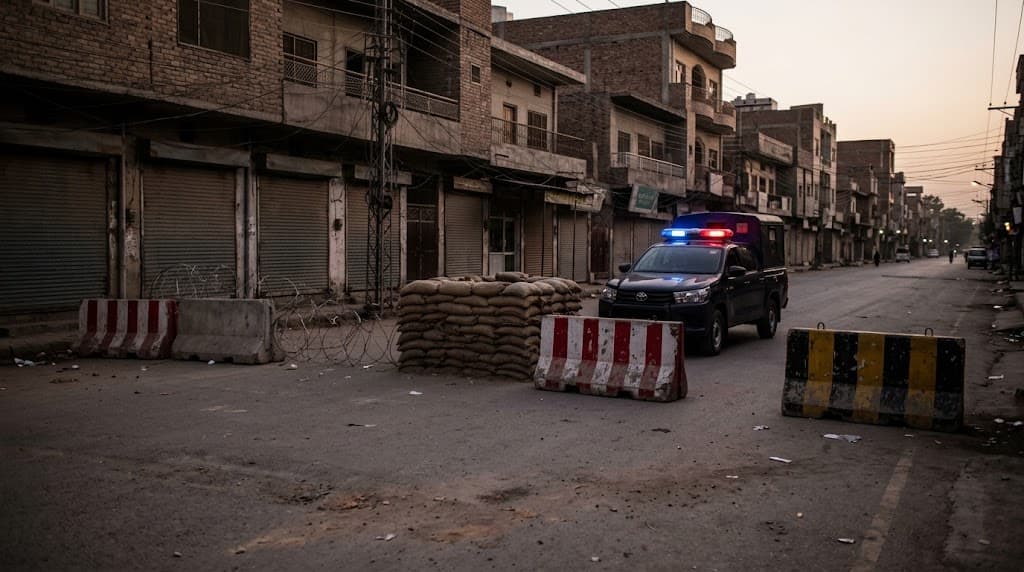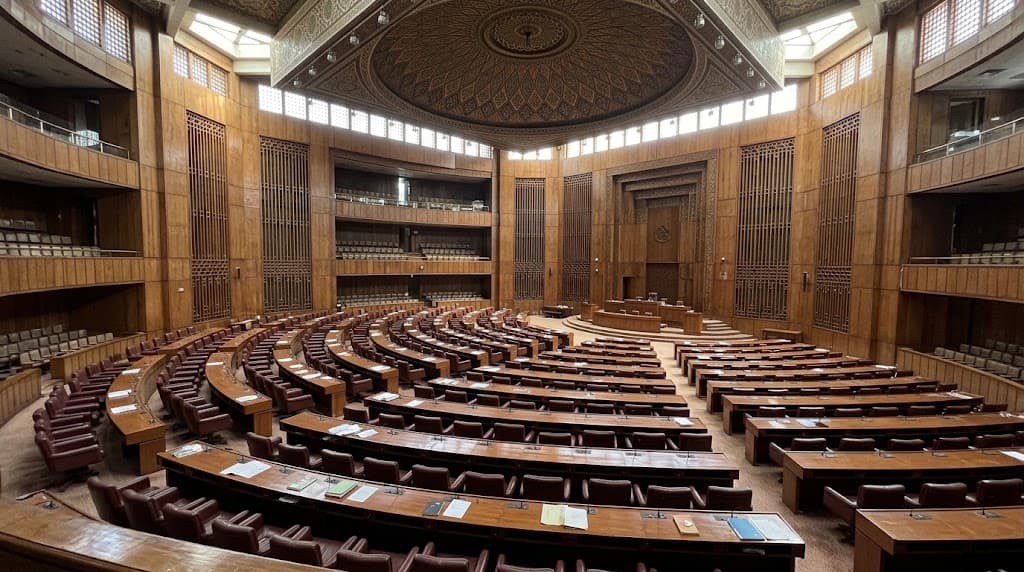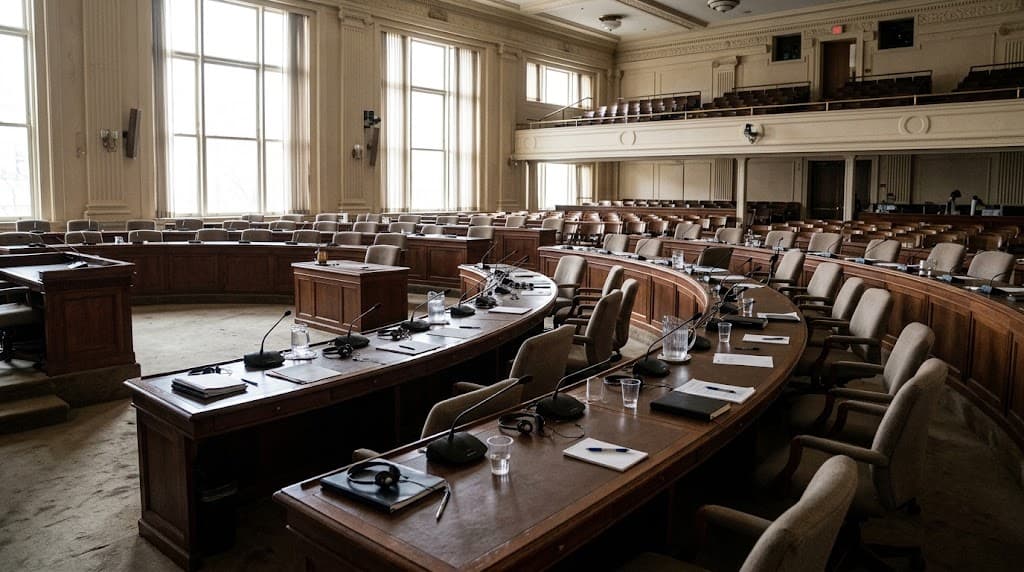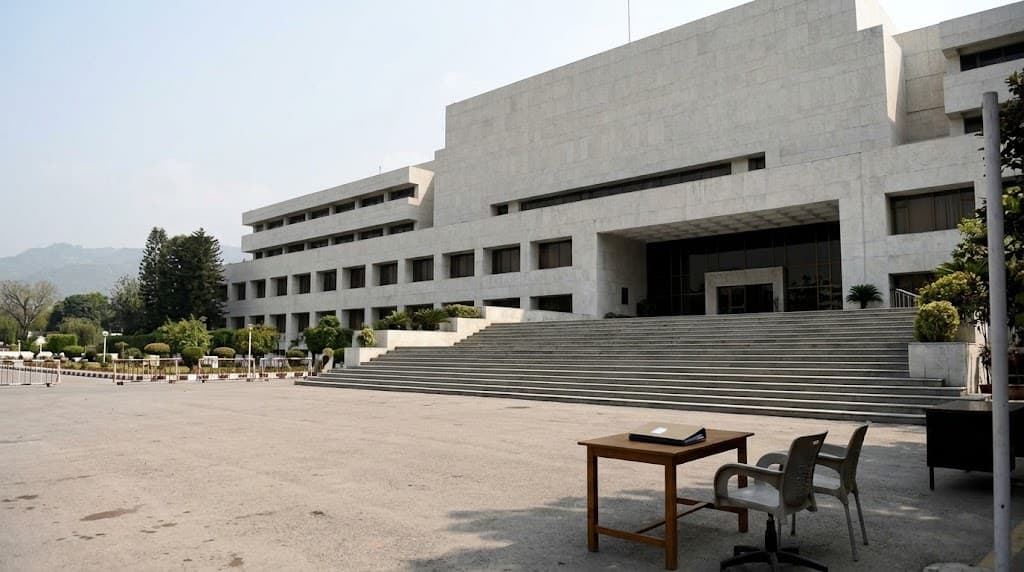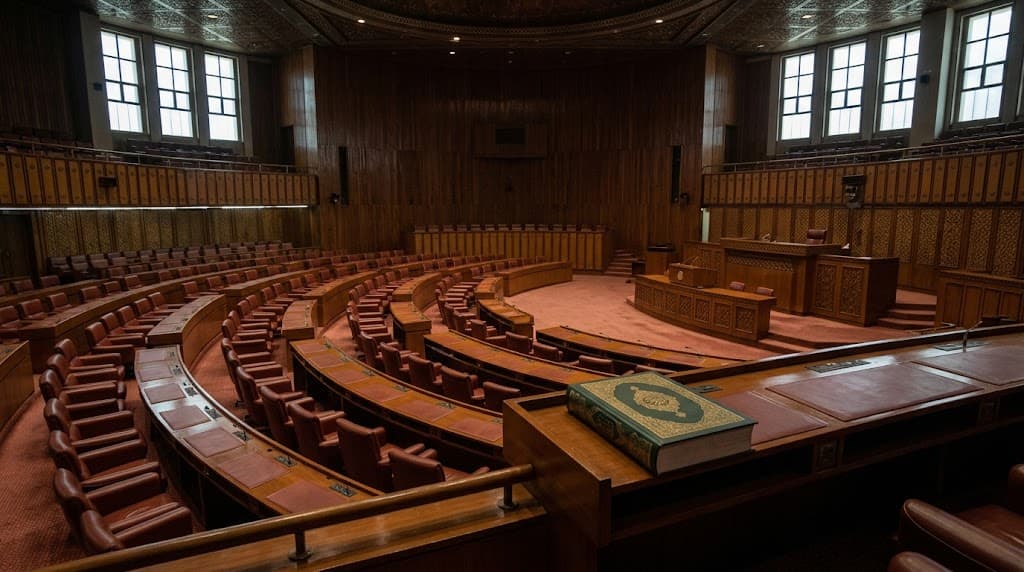
Deputy Prime Minister and Foreign Minister Ishaq Dar told a joint sitting of Parliament on Thursday that the emergency proclamations in Khyber Pakhtunkhwa followed the emergency constitutional procedure. In his account, the Constitution sets out exact steps for declaring an emergency, and the government carried them out. He also said the federal cabinet judged the measures necessary only after efforts to reach a political agreement had failed.
What Dar said the Constitution requires
Dar cited Article 232, which allows the president to declare an emergency in specific circumstances. Under the second proviso to Article 232(1), a proclamation the president issues on his own initiative must be put before both Houses of Parliament for approval within 10 days. A proviso is a clause that attaches a condition to a rule. Dar said the required steps had been taken.
He also explained Article 234. A proclamation under that article must be placed before a joint sitting of Parliament, which brings both Houses together, and it stays in force for two months. The joint sitting can extend it in periods of up to two months at a time, but the total cannot exceed six months. Dar also referred to Articles 148 and 149, which require the federation to protect the provinces against external aggression and internal disturbances, and which let the federal government issue directions to prevent a serious threat to peace, public order or the economy.
Talks and the government's case
Dar said the government had tried to engage political parties and had asked the Khyber Pakhtunkhwa government to cooperate on counterterrorism. Proposals in the negotiations, he said, included a meeting between the prime minister and opposition leaders, an all-party political committee, and steps to protect prisoners' legal rights and their access to medical treatment. He also recalled efforts by Maulana Fazlur Rehman to revive the talks.
According to Dar, the federal cabinet discussed the situation at length, and no one wanted to impose emergency measures. The government considered them necessary after the attempt to reach an agreement failed.
Funding and questions raised
Dar said Khyber Pakhtunkhwa had received an extra one per cent share of the federal divisible pool, the revenue pool shared between the federation and the provinces, for counterterrorism. By his estimate, that share came to around Rs800 billion since 2010-11. He questioned whether the province had built enough counterterrorism and forensic capability with those funds. He urged political parties to work together on terrorism before political reconciliation could move forward, and told lawmakers not to read constitutional provisions wrongly for political purposes.
The available material does not say when the proclamations were issued, how the joint sitting voted, or how the Khyber Pakhtunkhwa government and opposition parties responded.
Aasan alfaaz mein
Deputy Prime Minister Ishaq Dar ne Parliament mein kaha hai ke Khyber Pakhtunkhwa mein emergency ke elaan Constitution ke tareeqe ke mutabiq kiye gaye. Unho ne Article 232 aur 234 ka hawala diya, jin mein Parliament ki manzoori aur muddat ki hadein shamil hain. Aam shehri ke liye iska matlab yeh hai ke aisi emergency Parliament ki nigrani mein rehti hai aur chhe mahine se zyada nahi chal sakti. Abhi yeh saaf nahi ke voting kaise hui aur amali pabandiyan kya hain.