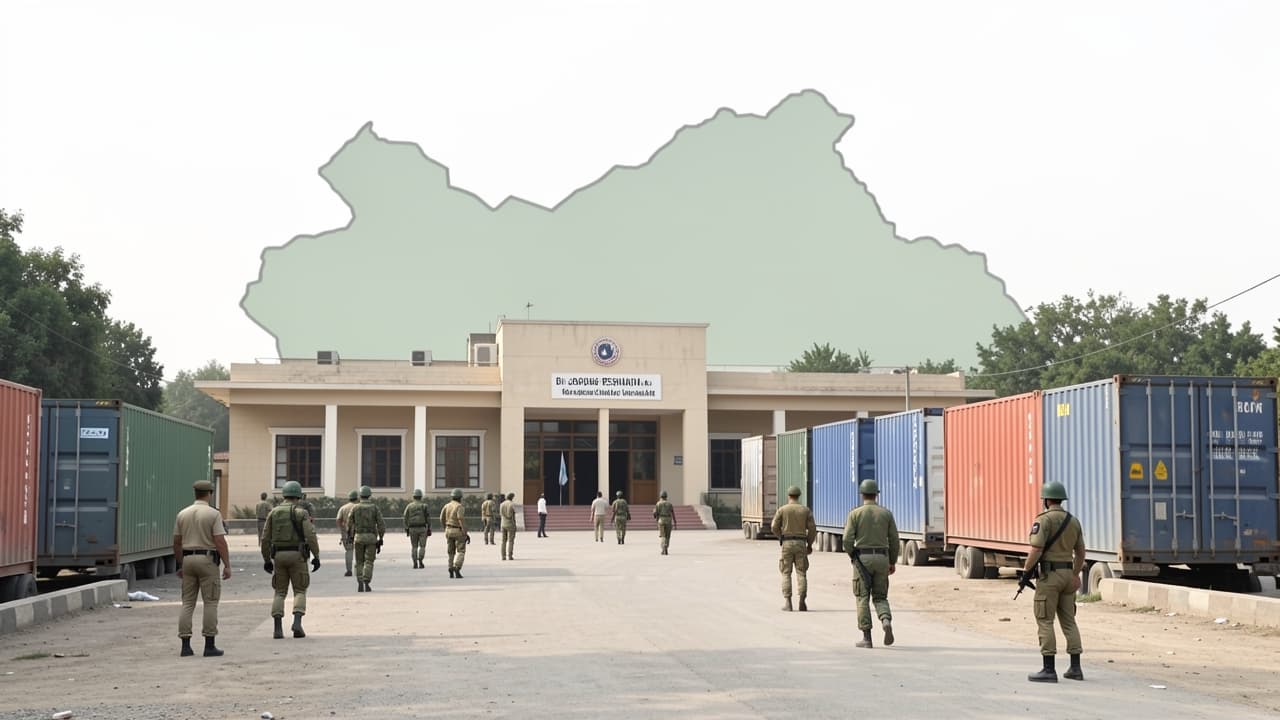
The National Cyber Crime Investigation Agency (NCCIA) said on Monday that 120 suspects had been arrested over a Rawalpindi visa fraud operation run from six call centres in the city. Officers removed 800 mobile phones and laptops from the premises, TechJuice reported.
The NCCIA is the national body that investigates cyber crime in Pakistan. Officials said the centres were allegedly used for an online scheme that contacted people and offered them visas. Many Pakistanis look abroad for work or study, so an unsolicited visa offer can sound like a practical way forward.
A call centre is an office set up so staff can phone or message large numbers of people. In this operation, officials said, that setup was used to push visa offers backed by fake documents.
Seizures and the alleged scheme
An NCCIA spokesperson said the group promised visas for Canada, Italy and other countries in Europe, and handed fake papers to people who replied. Additional Director Nisar Ahmad Khan said victims are likely to number in the hundreds. Papers described as fake cannot stand in for a visa issued by a foreign government.
Khan said examiners have started going through the seized devices, and that other call centres in Rawalpindi are now being watched. Assistant Director Rana Mohsin said the same offices were also running romance fraud and investment scams. Romance fraud leans on a pretend relationship; an investment scam leans on a promise of profit that is not real.
What residents should do
Khan asked people not to hand personal details to anyone they deal with online. Those who need help can call the NCCIA helpline on 1799.
The Rawalpindi visa fraud case now rests on the examination of the seized devices and on the watch officials have placed on other call centres in the city.
Arrests in three other cities
In a separate action earlier on Monday, the NCCIA arrested three suspects, from Gujranwala, Kasur and Faisalabad, using artificial intelligence, TechJuice reported. Additional Director Atif Amir told reporters that the suspects' phones held objectionable material involving children. The arrests in the three cities were made on the same day.
Officials said an artificial intelligence system marked the activity as suspicious, alerted a US agency, and passed suspicious links from the phones to the NCCIA. They added that the system gathered and analysed data from the devices and sent the agency a report. Investigators are holding the phones, and that inquiry is continuing. The account does not name the US agency.