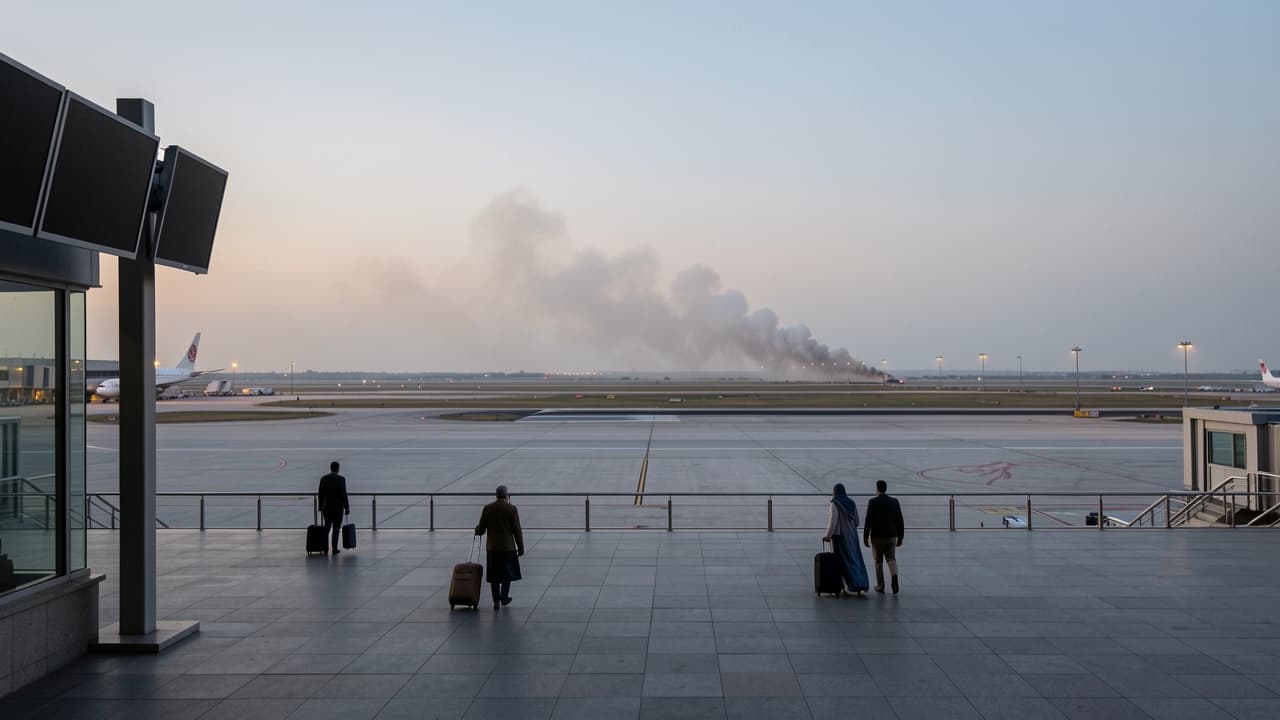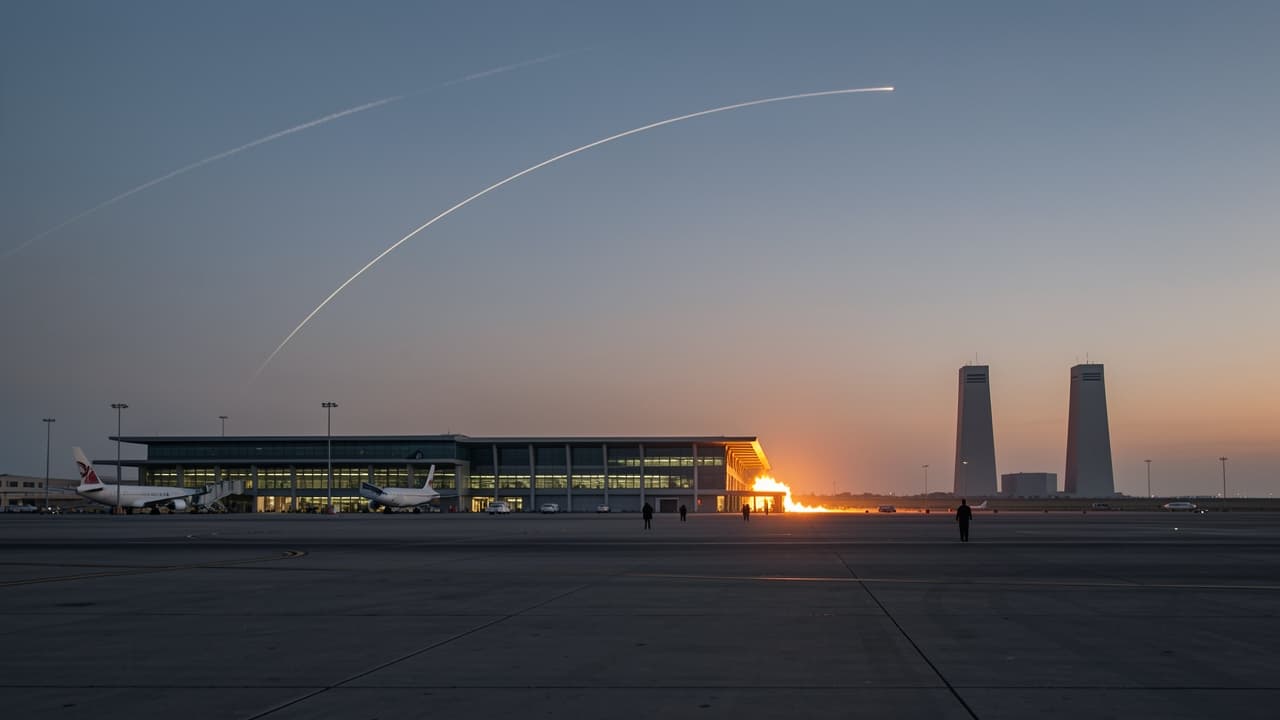
Pakistan has strongly condemned the latest Houthi attack on Riyadh airport, describing the targeting of civilian infrastructure as a blatant act of terrorism and a grave violation of international law. The Foreign Office in Islamabad reiterated its firm commitment to Saudi Arabia's sovereignty and territorial integrity, invoking bilateral defence obligations following consecutive strikes on King Khalid International Airport. The incident marks one of the most severe cross-border escalations targeting Saudi transit hubs in recent years.
Consecutive strikes hit Saudi aviation hubs
A fresh projectile struck King Khalid International Airport on Sunday, sparking a fire just a day after a deadly assault killed at least 12 people and wounded 309, according to reporting by Business Recorder. Saudi air defence units intercepted another incoming missile nearby, while the civil aviation authority confirmed that radar and communications equipment suffered damage. Saudi authorities also reported another projectile attack targeting [Dammam airport in the eastern province]().
The casualties from Saturday's strike included four Saudi nationals, two Bangladeshis, and citizens of the United States, Egypt, Jordan, Syria, Palestine, and Sudan, while an Indian citizen succumbed to injuries on Sunday. Eyewitnesses at Terminal 3 described scenes of panic as health authorities initiated an emergency medical response. Flight operations were suspended until Sunday evening, disrupting air traffic during the onset of the peak autumn travel period.
Islamabad invokes joint defence framework
Responding to the deadly Houthi attack on Riyadh airport, the Foreign Office spokesperson reiterated Pakistan's security pledges under the Makkah Agreement for Joint Defence, a bilateral pact governing strategic and military cooperation between the two allied nations. Islamabad stated that Saudi Arabia holds the legitimate right to defend its territory, protect its population, and safeguard critical infrastructure against foreign aggression.
Condemnations also poured in from provincial and religious leaders across Pakistan. Punjab Chief Minister Maryam Nawaz Sharif condemned the strike, expressing condolences to the victims' families and affirming that Pakistan stands firmly with the Kingdom. Meanwhile, Pakistan Ulema Council Chairman Hafiz Muhammad Tahir Mehmood Ashrafi called on international bodies, including the United Nations and the Organisation of Islamic Cooperation (OIC)—the 57-member intergovernmental body representing Muslim-majority nations—to hold the attackers accountable.
Regional tensions and travel disruption
The renewed hostilities come as Saudi Arabia enters its high-profile autumn business season and the start of the high travel window for Umrah pilgrims. Several foreign missions, including the US, German, Canadian, and Spanish embassies, issued travel advisories cautioning citizens against visiting Riyadh airport, while Australian officials urged nationals to shelter in place.
In the aftermath of the Houthi attack on Riyadh airport, the Saudi-led coalition labelled the strike a war crime and reported retaliatory air operations in Yemen's Sanaa governorate. Military clashes also intensified around the strategic Bab al-Mandab strait, highlighting heightened risks to regional transport corridors.