Ship attack Hormuz today reporting points to a sharp jump in maritime violence: twelve vessels said they were attacked in and around the Strait of Hormuz between 5 and 11 October, the largest weekly total logged with the UK’s Maritime Trade Operations (UKMTO) agency since the US-Israeli war with Iran began. The week before, ten ships reported attacks. Six were struck on a single Sunday—a one-day high—and four more attacks had already been reported so far this week.
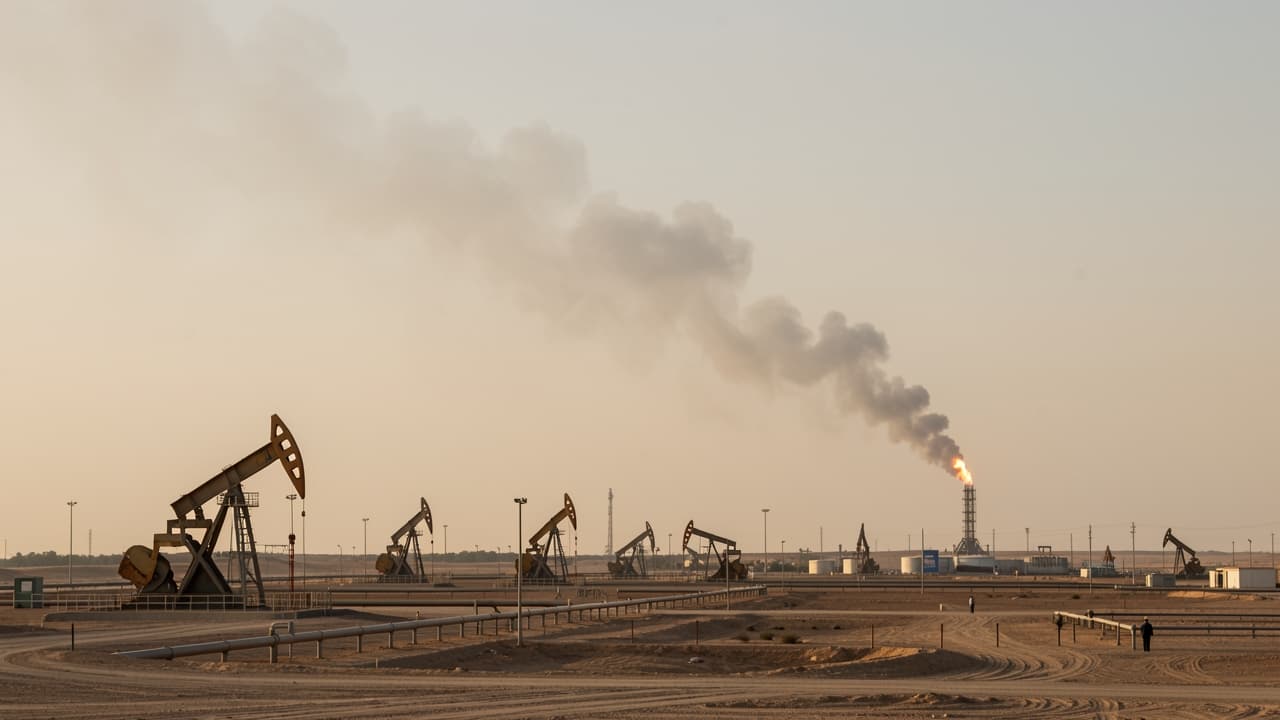
As strikes multiplied, the rebound in oil shipments through the strait that industry data showed last month has lost momentum. About 12.6 million barrels a day moved through the waterway on 13 October, below roughly 15 million at the end of September and a pre-war baseline of some 17 million barrels a day, according to trade intelligence firm Kpler.
Why attacks are rising
Experts say Tehran is hitting ships to tighten its grip on the passage while the US military escorts more tankers through the southern approaches to avoid Iranian fire. Iran is also striking vessels farther from the strait, they add. The US military’s Central Command, which runs Middle East operations, said on social media that commercial traffic still moves through the Strait of Hormuz with coordinated protection from US forces and regional partners.
Martin Kelly, CEO of Orbital Risk Intelligence, said Iran has “evolved its strategy” as that escort system loosened its hold on the waterway, with “near daily or multiple attacks every single day.” The aim, he said, is “to stop the ships going through and to deter others.” Iran’s Islamic Revolutionary Guard Corps (IRGC) navy has said strikes would not be “limited to the Strait of Hormuz” and later announced a “new deployment formation” across the region, according to state media.
Crews, cargo and wider strike zones
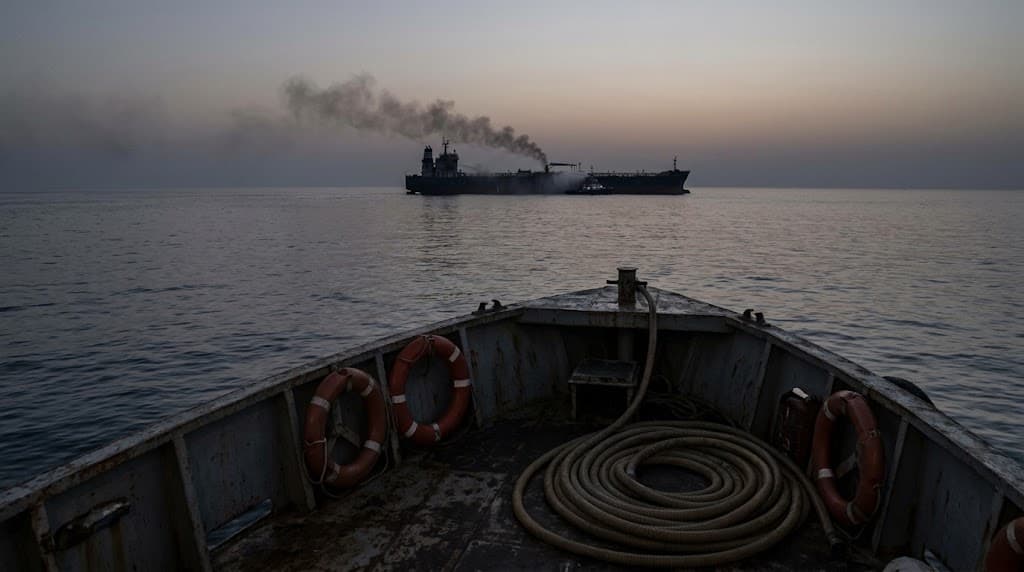
Verified footage after one of Sunday’s six reported attacks showed the Nicaragua-flagged tanker Petro Dolphin on fire near Oman’s Sohar Anchorage, more than 250km (150 miles) from the strait, maritime intelligence firm Vanguard said; the ship was hit by a drone. Eleven Indian seafarers were rescued and two were still missing, the Forward Seamen’s Union of India said.
Attacks continued this week. Container ship GFS Pride sank after an unknown projectile struck it in the strait on Tuesday; twenty-one crew were evacuated safely. The IRGC released footage that appeared to show the same ship sinking and said it carried “2,500 containers of contraband” on an “unauthorised route.”
Vanguard also reported a tanker hit by multiple projectiles north of Qatar on 8 October—more than 500km (310 miles) from the strait—with multiple reported casualties, and another attack near the UAE town of Al-Jazirah al-Hamra on 9 October. Verified video from that incident shows crew running on deck and donning lifejackets as thick black smoke rises.
Oil flows and the “shuttle” route
Most recent Gulf Arab oil has moved on a “shuttle” model: smaller tankers load, pass the strait, then transfer cargo to larger ships in the Gulf of Oman, hugging Oman’s coast. Iran calls that path “unauthorised” and wants traffic nearer its own shore. Assisted transits helped push Middle East oil flows back toward pre-war levels in September. That picture excludes Iranian exports, which have stalled under the US blockade of Iranian ports and ships.
US Navy data show vessels helped through the Strait of Hormuz in the first ten days of October were up 85% on the same stretch of August. Together with the ship attack Hormuz today weekly peak, that surge in escorts and the fall in daily barrels underline how fragile the corridor remains for energy trade.
Timeline: what has happened so far
- End of September: Oil through the strait near 15 million barrels a day, recovering toward a pre-war baseline of some 17 million.
- 5–11 October: Twelve vessels reported attacks—the highest weekly total since the war began; the prior week had ten.
- Sunday in that week: Six ships struck in one day; Petro Dolphin hit by a drone near Sohar Anchorage, Oman.
- 8–9 October: Tankers attacked north of Qatar and near Al-Jazirah al-Hamra, UAE, far from the strait.
- Tuesday this week: GFS Pride sank after a strike in the strait; 21 crew evacuated.
- 13 October: Flows about 12.6 million barrels a day; early-October assisted transits up 85% versus August.
Aasan alfaaz mein
Hormuz ke paas ek haftay mein 12 ships par hamle hue—yeh weekly record hai. Tel ki baramad end-September ke qarib 15 million se ghat kar 13 October ko lagbhag 12.6 million barrels per day reh gayi. Kai crews bachaye gaye, lekin Petro Dolphin par do seafarers abhi missing hain. Tijarat ab bhi chal rahi hai, lekin US aur partners ki protection ke sath, aur khatra pehle se zyada faila hua hai.