Flour mill wheat rate concerns are rising in Sindh after millions of maunds of government wheat stored in Karachi's Landhi area were reported to have deteriorated and become unfit for human consumption. Flour millers have refused to lift the grain released by the Sindh government. The official government price is Rs12,500 per maund, but the reporting does not give a separate rate that mills pay, so that figure is the only price cited.
What was found in the Landhi warehouses
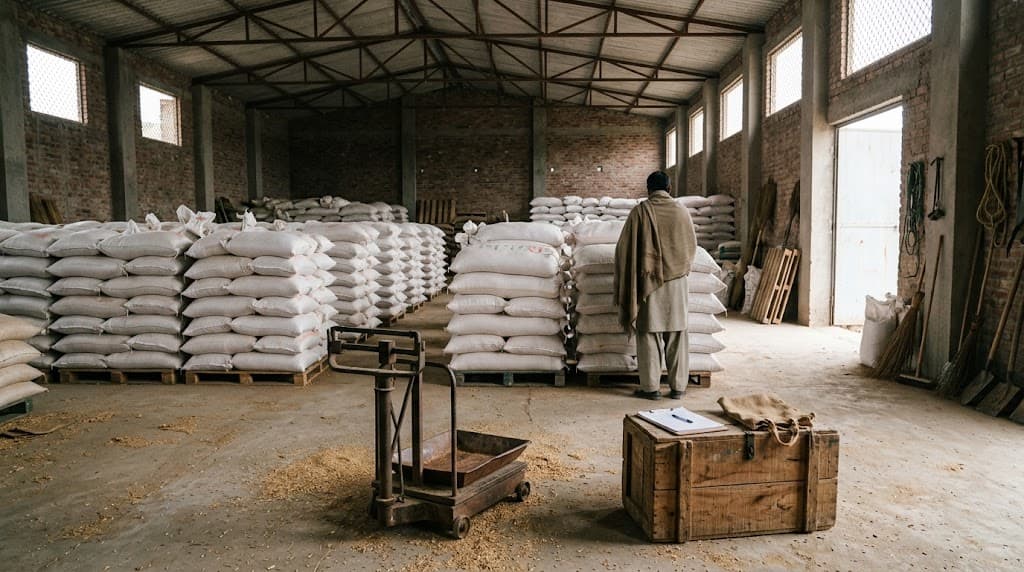
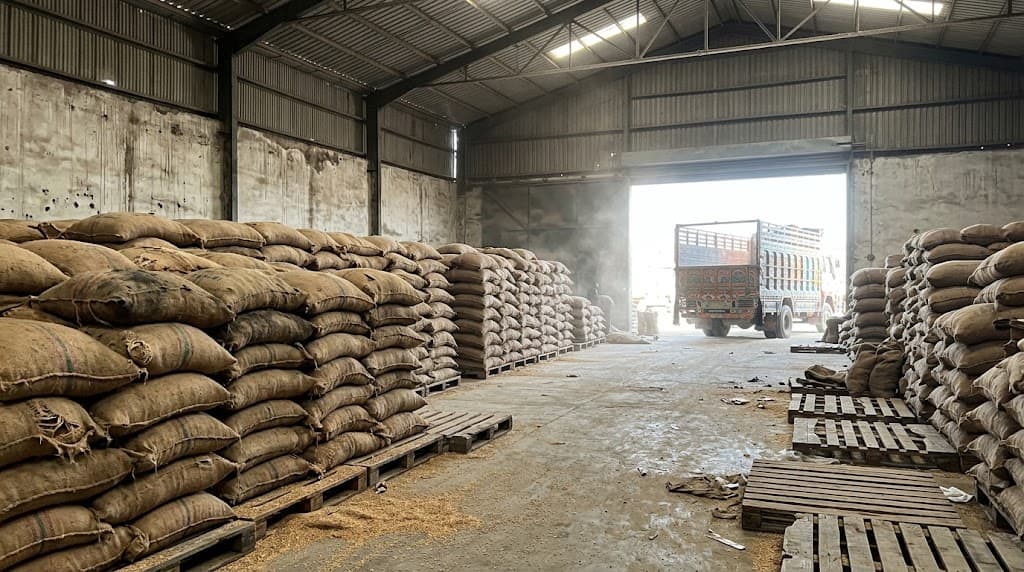
The wheat is held in warehouses operated by the Sindh Food Department in Landhi. Reports say a substantial quantity, bought with public funds, has turned black during storage, and that the stockpile includes grain held for four years. The reported damage has raised concern about heavy losses to the national exchequer, since wheat bought at a cost of billions of rupees has not been sold or distributed.
Association chairman Malik Iqbal said a large portion of the government-held wheat was damaged after the Sindh chapter of the Pakistan Flour Mills Association inspected the stock. The reporting does not say how much of the total is spoiled, only that a large share is. Millers have said they would consider lifting the wheat that remains fit for consumption.
Millers' conditions and the price
Iqbal described the government's official wheat price of Rs12,500 per maund as encouraging. He stressed, however, that damaged stock must be separated from usable grain before millers could consider buying what remains. The reporting does not give a separate flour mill wheat rate, and a maund is a traditional unit of weight, so the price is quoted per maund rather than per kilogram.
The association also backed a new wheat policy, saying it could help curb corruption and reduce the burden of government subsidies. A subsidy is a payment from the state that lowers the cost of a good for buyers or producers.
Shortage warnings and calls for imports
Millers have said Sindh needs about one million metric tonnes of wheat, and they fear supplies could fall short even with government stocks available. The association has written to the prime minister, the president and the chief minister of Sindh, urging them to allow wheat imports. It pointed to reduced domestic production and the condition of government reserves as reasons.
The association has warned that the shortage could intensify in the coming months, which would affect the availability and cost of flour. The reporting does not say when spoiled stock will be removed, or whether the authorities have replied to the import request. Those two steps will largely determine how quickly mills can get usable wheat.
Aasan alfaaz mein
Karachi ke Landhi godams mein sarkari gandam kharab ho gayi hai, aur flour mills use uthane se inkaar kar rahi hain. Association ka kehna hai ke kharab gandam pehle alag ki jaye, phir baqi gandam par ghor kiya jayega. Sarkari gandam ki qeemat Rs12,500 fi maund batayi gayi hai, lekin aage aate ki qeemat aur dastyabi par asar par sakta hai. Is ka seedha asar aap ki roti aur aate ki qeemat par pad sakta hai.