Who are the Houthis? In a BBC video, the broadcaster describes them as Yemen's Iran-backed movement: a force that controls areas in the west of the country and has fired missiles into Saudi Arabia. Security correspondent Frank Gardner uses those attacks to show how the movement fights, and why Saudi forces have struggled to get ahead of it.
Where they say they hold ground
The Houthi group in Yemen, on the BBC's account, justifies these cross-border strikes by pointing to territory it holds in the west. That western belt is the only home ground the report names. The Houthis cast the strikes as an answer to Saudi operations there, using the phrase "brutal Saudi aggression" for action in areas they control. Who are the Houthis, on the evidence of this video, is a narrower question than a history of the war.
Strikes on Riyadh and the east
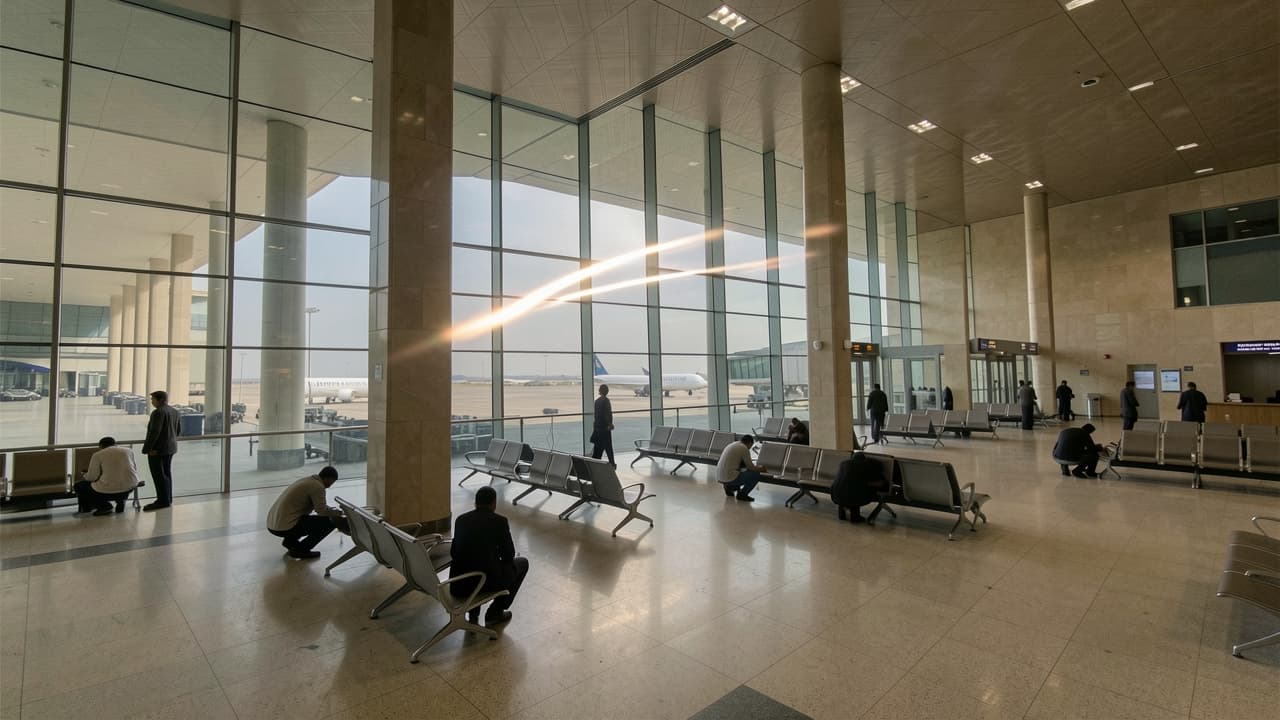
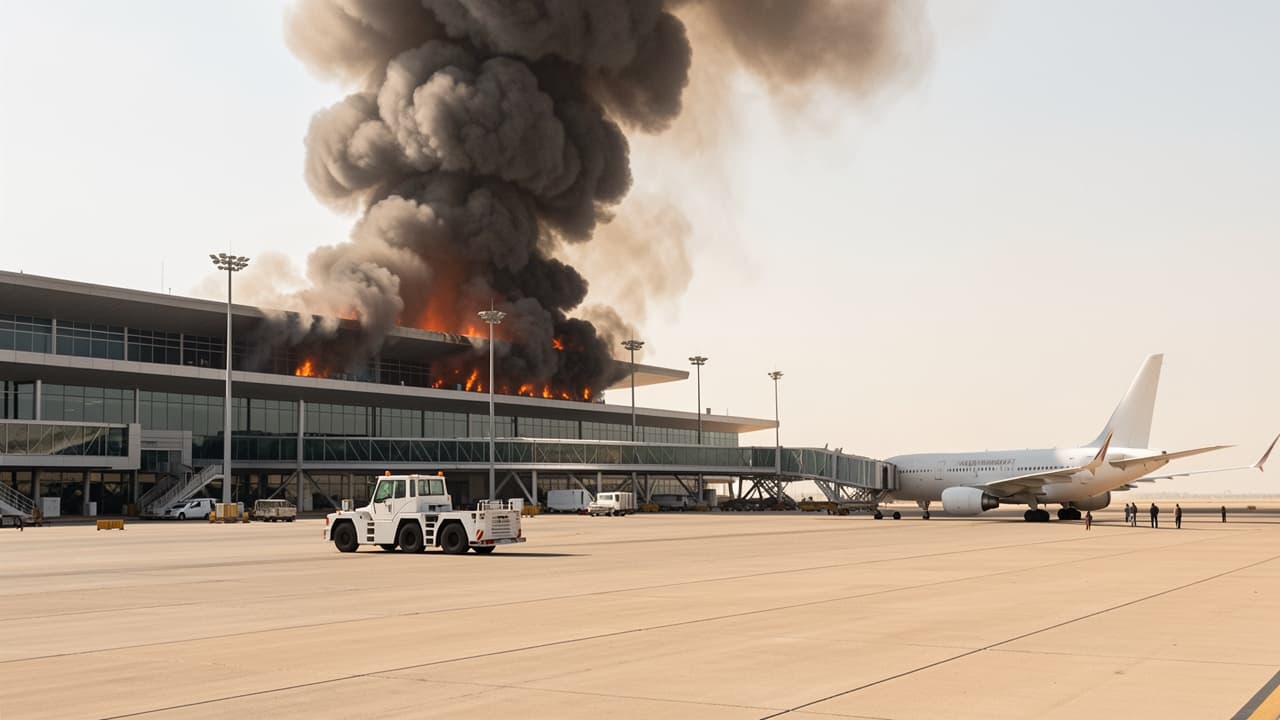
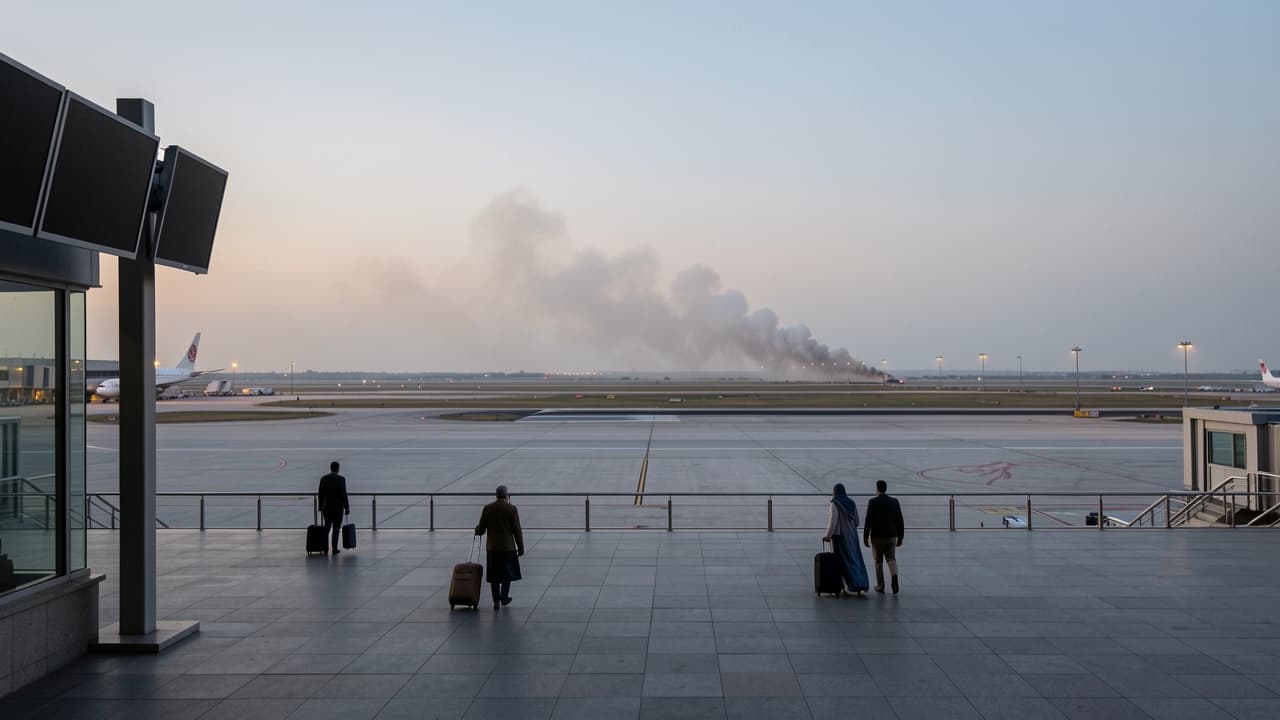
According to the BBC, Houthi missiles struck across Riyadh. The toll from two strikes on the city airport was at least 14 dead and more than 300 injured. Brig Gen Yahya Saree, the movement's military spokesman, said oil facilities were hit as well, along with the airport at Dammam in eastern Saudi Arabia.
The kingdom's energy minister has promised a response to the strikes on Saudi airports and on oil and gas sites, the BBC reported. The minister's name is not given, and neither is the shape that response might take.
Tactics Gardner highlights
Gardner, in the BBC's telling, points to precision strikes and guerrilla tactics. A precision strike aims at a chosen site, such as an airport or an energy plant, rather than an unguided volley. Guerrilla tactics are smaller, mobile attacks that a regular army finds hard to trap.
The BBC's assessment is that this combination has kept the Saudi campaign from pulling clearly ahead. The report does not claim the Houthis are winning, and it does not list further Saudi casualties beyond the Riyadh airport toll and the sites Saree named.
What remains unanswered
Several questions sit outside this video. It does not name a political leader, identify the movement's sect, or explain what Iran's support amounts to in practice, and it gives no date for the Riyadh strikes. What it does establish is the airport casualty count, Saree's account of Dammam and the oil sites, the Houthis' stated motive, and a Saudi pledge to answer. That pledge is the only next step on the record.
Beyond those points, this BBC report cannot support a wider profile of the movement. It never mentions Pakistan, so it says nothing about flights, fuel prices or casualties here. Claims about a named political leader, a sect, or the scale of Iranian help should not be read into it.