OpenAI, which runs ChatGPT, said on Thursday that it will stop using non-disclosure agreements, known as NDAs, with public officials on future ChatGPT data center projects. The announcement followed the US midterms, in which opposition to new facilities came up in a number of states and towns. In a statement, the company set out a package of commitments meant to answer public concerns about the large sites where servers for AI systems are housed.
What OpenAI has committed to
Under what it calls the National Community Compact, OpenAI said it will bear the full power bill and supporting infrastructure for upcoming data centers it owns and operates. The stated goal is to keep those costs from landing on nearby homes and businesses. The company also pledged to publish data on the electricity and water its sites consume, to draft water management plans, and to release building plans and noise assessments.
On secrecy, the company said it would keep only "narrow protections" for security details, trade secrets and commercially sensitive material. Beyond those limits, it will not use NDAs with public officials. It also plans to publish expected job creation at each site and report on hiring, and every future "compute campus", the company's term for a data center, will have a local compact that reflects local priorities.
Why communities are pushing back
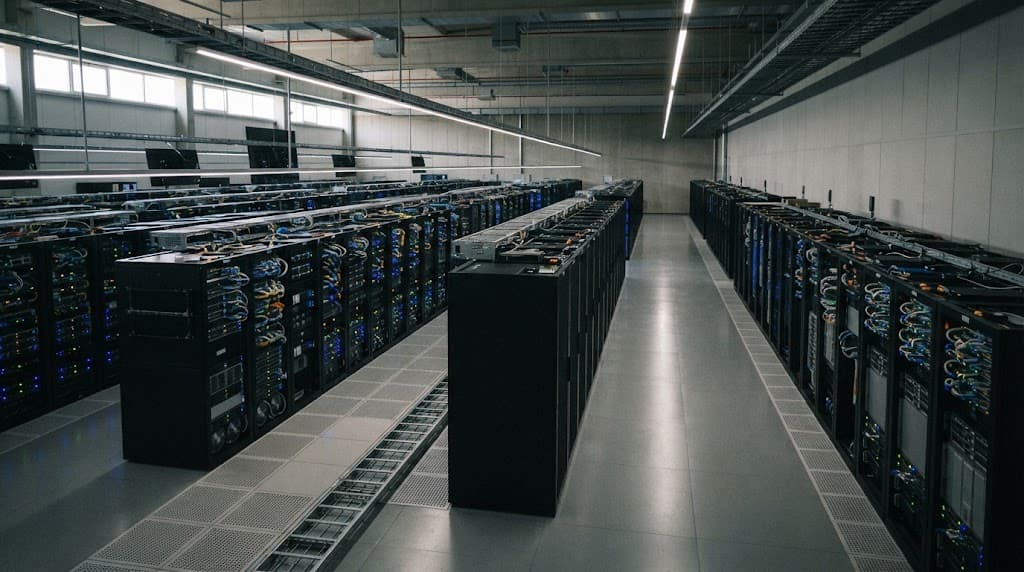
Large AI data centers draw heavy amounts of electricity to power their servers, and some cooling designs also use water. Residents and officials have raised questions about utility bills, the use of local resources and environmental effects. Some projects have faced criticism because developers used NDAs to keep talks with local leaders out of view.
Amazon said in October that it was dropping NDAs in its dealings with government bodies on data center work. Separately, OpenAI released a policy blueprint asking US lawmakers to set wider rules. The proposed rules would make builders reveal environmental impact, pay for infrastructure and bring nearby communities into planning.
What happens next
The NDA change applies to future projects, and the power-cost pledge covers future data centers that OpenAI owns and operates. Wider requirements would depend on lawmakers taking up the blueprint, which the company has put forward but cannot enforce on its own. For residents near a proposed ChatGPT data center, the practical question is whether the promised power, water and construction information becomes public early enough to inform local decisions.
Aasan alfaaz mein
OpenAI, jo ChatGPT chalati hai, ne kaha hai ke wo aage aane wale data center projects mein public officials ke saath NDA nahi karega. Company bijli ka poora kharcha aur mutalliqa infrastructure khud uthane ka wada karti hai, aur pani aur bijli ke istemal ki maloomat publish karegi. Aam logon ke liye iska matlab hai ke bijli ke bil ka bojh unke ilaqe mein dusron par na daala jaye, aur ilaqe ke faislon ke baare mein zyada khuli maloomat mile. Broader rules banane ka faisla ab US lawmakers ke haath mein hai.