OpenAI chief executive Sam Altman used election night on X to clarify his Sam Altman RAM stance, saying people should be free to put as much memory in their computers as they want and that global production needs to rise.
After a user’s remark, he changed his display name to Ram Altman and wrote that he does want the world to have “tons of memory,” that it was annoying his words were taken out of context, and that he has long argued for ramping up memory output. In another reply he said he wants users to have “so much ram” and that more should be built.
Why the remarks drew heat
The posts followed an appearance on the Cheeky Pint podcast in which he said it was “quite terrible” for everyone to hold a share of the world’s limited DRAM in home machines that are used only about five percent of the time. That line sat uneasily with buyers facing a tight market for PC memory.
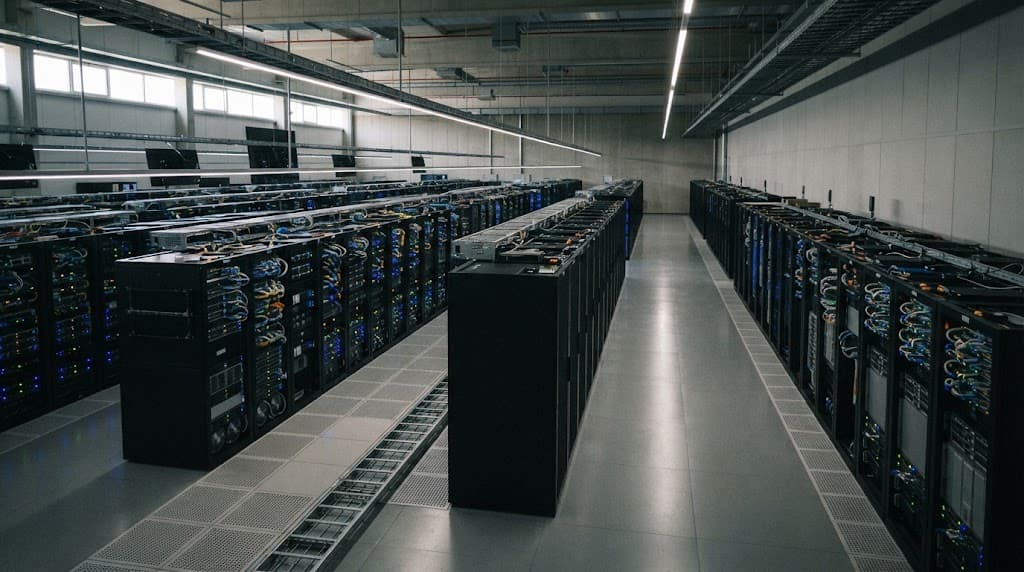
AI data centres have been taking large volumes of the global RAM supply. That competition has fed shortages, pushed up tech prices, and made it harder for ordinary users to stock machines with the generous amounts of memory Altman now says he supports.
What Altman said he meant
On X he cast the podcast comments as misread rather than a call against personal upgrades. His Sam Altman RAM replies stressed two points: households should be able to install as much RAM as they choose, and manufacturers need to expand production so that goal is realistic.
He did not announce a new OpenAI product or a formal industry plan in those posts. The exchange was a public defence of his position on who should get scarce memory chips while AI infrastructure keeps growing.
How long the squeeze may last
Industry forecasts cited alongside the shortage picture are not short. Intel expects the tight market to run at least through next year. SK Hynix has said pressure could continue until 2030. Those outlooks sit beside Altman’s push for more memory manufacturing, underscoring a gap between what he says users should enjoy and what supply can currently deliver.
For readers in Pakistan who follow global PC and laptop pricing, the practical backdrop is the same worldwide constraint: when data centres absorb DRAM, consumer memory and related upgrades become harder and costlier to obtain until production catches up.
Aasan alfaaz mein
Sam Altman ne X par apna naam Ram Altman rakh diya aur kaha ke logon ko computers mein jitni chaahein RAM dalne deni chahiye. Pehle podcast par unhone ghar ki DRAM ke waste hone ki baat ki thi, jis se log naraz hue. Ab woh kehte hain ke production badhao taake RAM sasti aur zyada mil sake. AI data centres ki wajah se RAM ki kami aur mehengai abhi kuch saalon tak reh sakti hai.