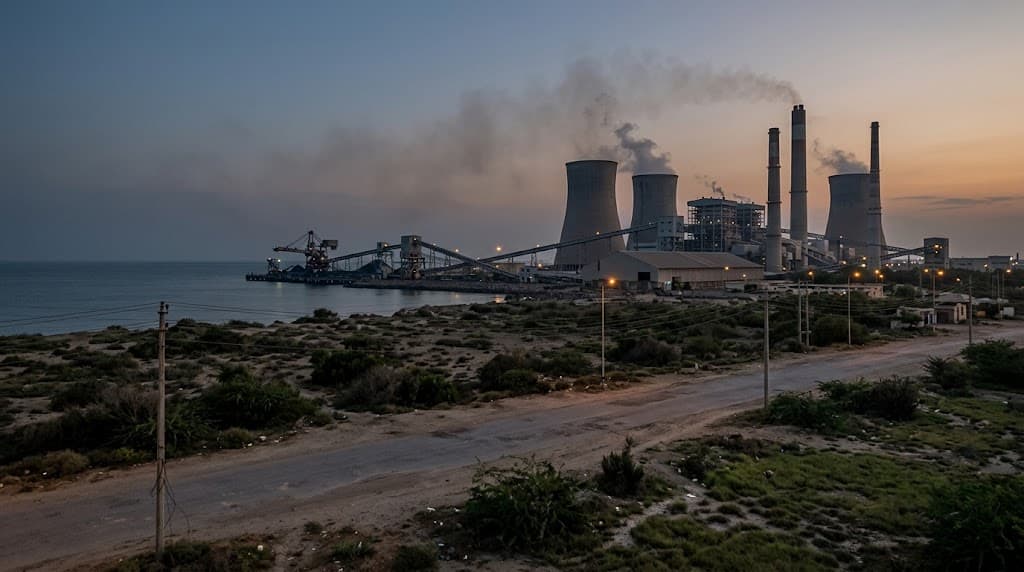
A CPEC power projects dues settlement of about Rs498 billion is still pending from the Central Power Purchasing Agency-Guarantee (CPPA-G), the state buyer that purchases electricity for the national grid. Sources familiar with the matter said Chinese-backed plants built under the China-Pakistan Economic Corridor (CPEC) have not been paid because CPPA-G faces financial constraints.
Company representatives have repeatedly pressed CPPA-G through official letters. On some occasions, the matter has also reached the Prime Minister’s Office, the same sources said.
What Port Qasim has asked the government
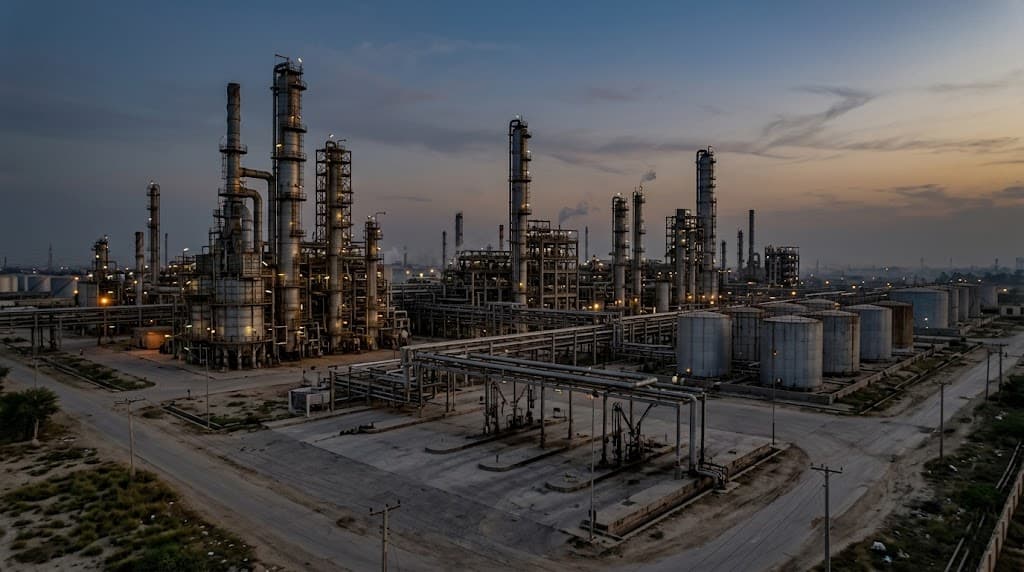
Port Qasim Electric Power Company (PQEPC), which runs a 1,320-megawatt coal-fired plant under CPEC, has sought urgent government support to clear Rs79 billion in overdue electricity payments. In a letter dated 29 September 2026, it said receivables had reached that level—about $285.4 million—and that payments had been delayed for more than six months. It warned the sum could rise if the deadlock continued.
Chief Executive Officer Wang Dongfeng wrote to the ministers for finance and revenue; planning, development and special initiatives; and energy (Power Division), asking them to intervene. PQEPC also asked the government to help fund CPPA-G so overdue amounts can be cleared quickly. Chinese and Qatari shareholders and sponsors have, according to accounts of the dispute, voiced strong discontent and pressed for early relief.
The company said it recognises efforts by the government and CPPA-G to arrange money for independent power producers (IPPs)—private generators that sell power under contract. Even so, it said long delays have left the Port Qasim project in a critical financial position. It argued its energy purchase price (EPP)—the tariff paid for the electricity it generates—is lower than that of plants running on oil or re-gasified liquefied natural gas (RLNG), imported gas that has been turned back into usable fuel. Timely payment, it said, is needed to keep generation stable and to avoid defaults under loan agreements and the government’s sovereign guarantee, a state-backed promise that lenders can call on if the project cannot meet debt terms.
Sahiwal dues and a longer dispute
Outstanding receivables at the Sahiwal coal-fired power plant have also reached around Rs80 billion, sources said, and the operator has repeatedly approached the government for clearance. China Huaneng owns and runs that 1,320 MW CPEC plant.
The company has accused Pakistani authorities of pressing it into a “give-and-take” deal as a condition for clearing long-pending capacity payment deductions—charges linked to keeping generation capacity available even when full output is not taken. It has sought intervention from the Prime Minister’s Office over a dispute with CPPA-G that sources say has lingered for about four years despite efforts to resolve it through the usual institutional channels.
Together, the Port Qasim and Sahiwal cases show why the wider CPEC power projects dues settlement file matters for Pakistan’s power sector debt chain: when the single buyer cannot pay on time, large coal plants that supply relatively cheaper energy than oil or RLNG units come under cash stress.
Timeline: what has happened so far
- About four years (ongoing): China Huaneng’s dispute with CPPA-G over capacity payment deductions remains unresolved, according to sources.
- More than six months (as of late September 2026): PQEPC said its electricity payments had been delayed beyond this period.
- 29 September 2026: PQEPC’s letter put outstanding receivables at Rs79 billion ($285.4 million) and sought ministerial intervention.
- Recent weeks: The Port Qasim CEO wrote to the finance, planning, and energy ministers; CPEC producers’ unpaid dues from CPPA-G were put at about Rs498 billion by sources tracking the file.
Aasan alfaaz mein
CPEC ke bilai plants ko CPPA-G se qareeb 498 arab rupay milne baqi hain. Port Qasim plant akela 79 arab rupay ka mutalba kar raha hai, aur Sahiwal ke qareeb 80 arab bataye ja rahe hain. Agar generatoron ko waqt par paisa na mile to bijli ki supply mushkil ho sakti hai. Aam logon ke liye yeh masla bill aur load-shedding dono se jud sakta hai, is liye sarkar aur CPPA-G par adayiegi ka dabao hai.