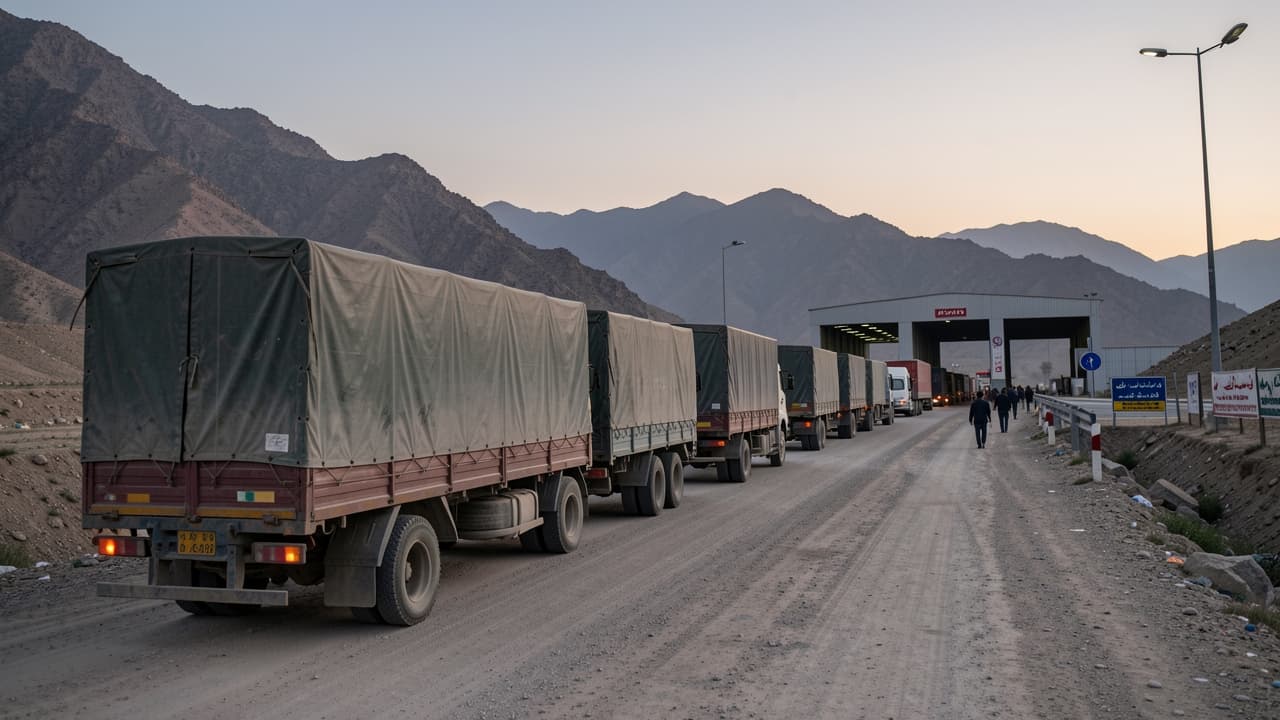
Nearly a year of Pak-Afghan border trade disruption has driven up shipping costs, cut jobs on both sides of the frontier and forced exporters onto longer, costlier routes, traders and chamber officials say.
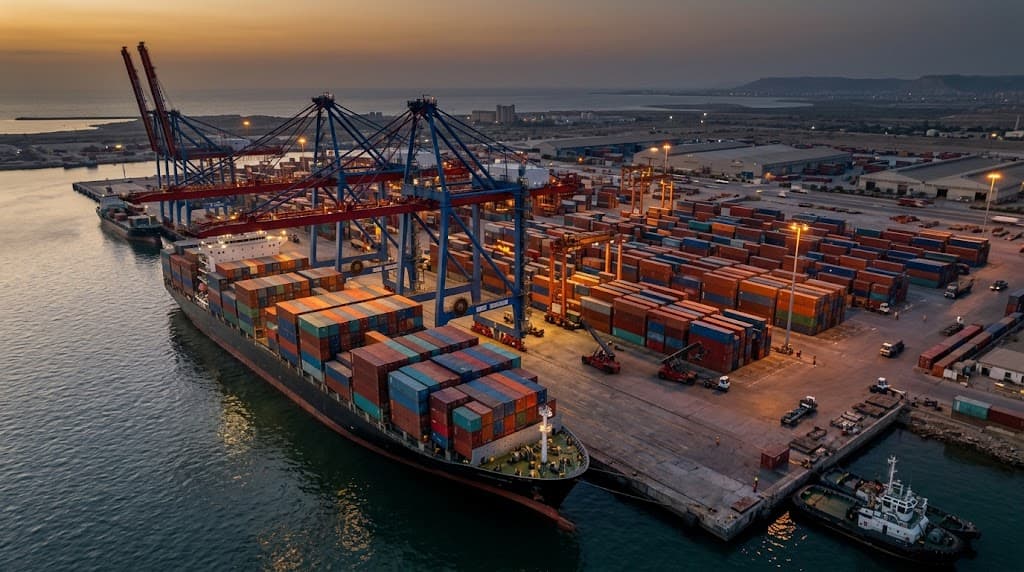
Khan Jan Alokozay, head of the Afghanistan-Pakistan Joint Chamber of Commerce, said a container moved from Karachi to Afghanistan that once cost about $2,000 and took around 10 days now costs as much as $10,000 when goods travel on alternative corridors, with delivery stretching to as long as two months. Traders describe that jump as roughly five times the old freight bill.
Jobs and exports under pressure
Shahid Hussain, a former head of the joint chamber in Peshawar, said border communities have seen extensive job losses. Daily-wage workers, truck drivers, transport companies and customs agents are among those hit as cross-border traffic stays stalled.
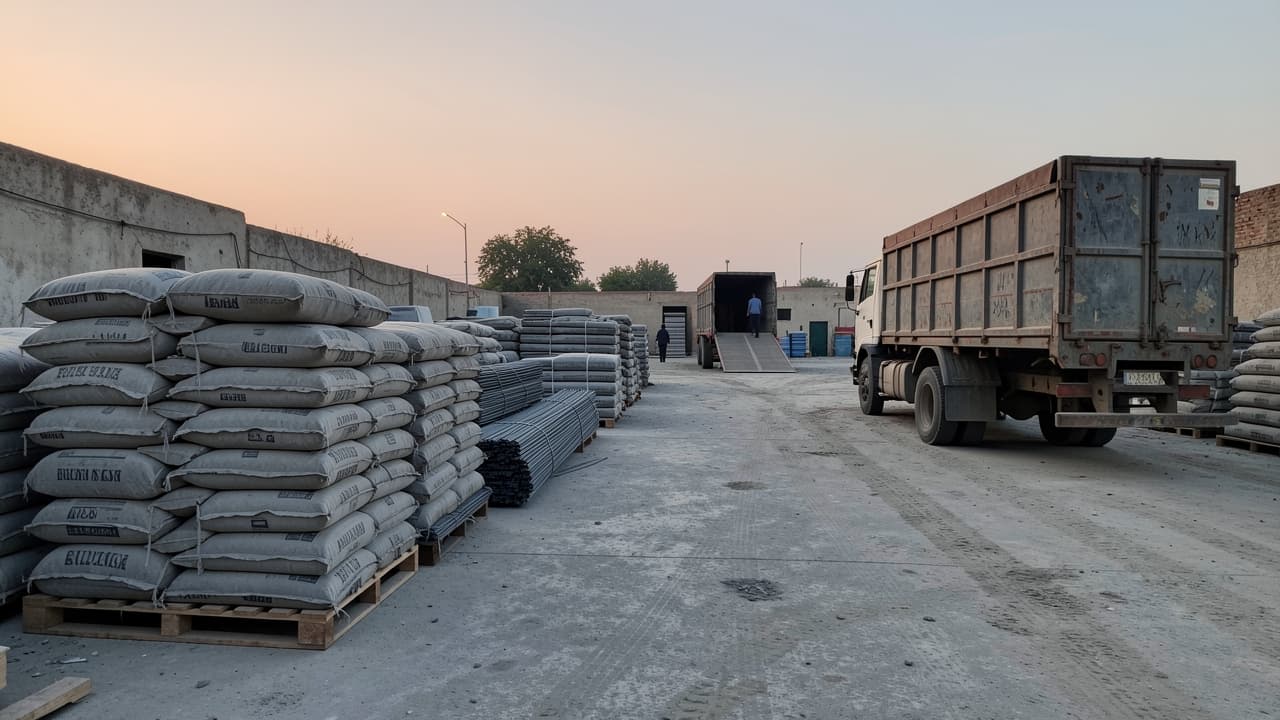
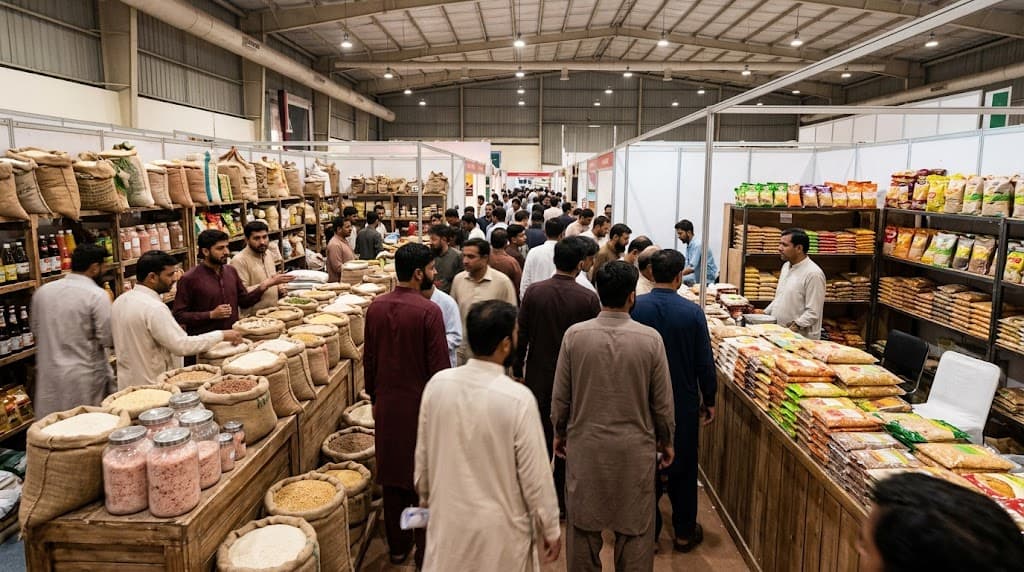
Pakistani businesses that sell cement, medicines, flour, rice and other goods into Afghanistan report weaker demand and blocked access to a nearby market. On the Afghan side, fresh and dried fruit exports have been especially exposed: some consignments now go to India by air, while smaller volumes move through Iran and Central Asia. Higher freight bills have cut exporters’ profits and made it harder for farmers to reach foreign buyers, with produce also at risk of spoiling before it arrives.
Transit volumes and detours
The scale of the squeeze shows up in transit numbers. Only 11,592 containers carrying Afghan transit goods, valued at about $367 million, used the Pakistan route in the 2025-26 financial year—well below earlier volumes, according to trade data cited by chamber voices tracking the corridor. Afghan exports that once moved through Pakistan toward third-country markets have also fallen sharply.
Afghanistan has shifted more imports toward Iran and Central Asia. Traders say those options remain more expensive and slower than the old Karachi-linked corridor that linked Afghan firms to seaports and gave Pakistani exporters a direct path into Afghanistan.
Timeline: what has happened so far
- October 2025: Main trade crossings close after escalating clashes and tensions between Pakistan and the Taliban authorities in Afghanistan.
- Through 2025–26: Afghan transit via Pakistan falls to 11,592 containers worth about $367 million for the financial year.
- Nearly a year on: Alternative routes remain in use; chamber leaders say freight can cost about five times more and take up to two months.
- Recent months: Alokozay and Hussain say they have raised traders’ concerns with officials in both countries but see little sign that crossings will reopen soon.
What officials and traders say next
Alokozay and Hussain warn that if restrictions continue, losses will deepen for farmers, exporters, transport businesses and workers who depend on cross-border commerce. For now, the commercial artery that once tied Afghan cargo to Karachi and Pakistani goods to Afghan markets remains largely blocked, keeping the Pak-Afghan border trade disruption at the centre of everyday hardship in frontier towns and export chains.
Aasan alfaaz mein
Pakistan aur Afghanistan ke beech main trade crossings October 2025 se band hain. Pehle Karachi se Afghanistan container lagbhag $2,000 aur 10 din mein jata tha; ab detour par $10,000 tak aur do mahine tak lag sakte hain. Drivers, mazdoor aur cement, atta, dawai bechne wale businesses ko nuksaan ho raha hai. Jaldi khulne ki koi clear guarantee traders ke paas nahi hai.