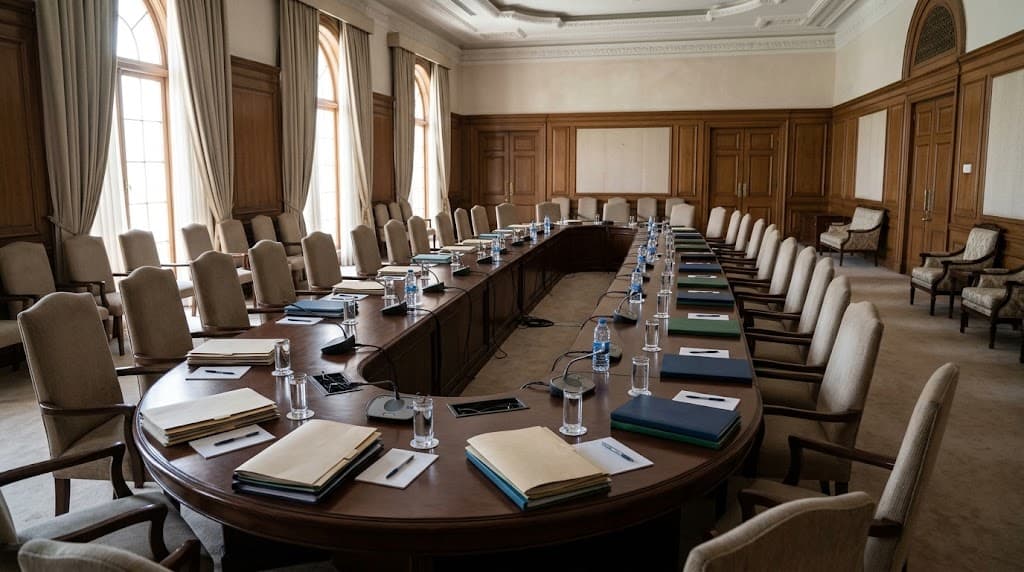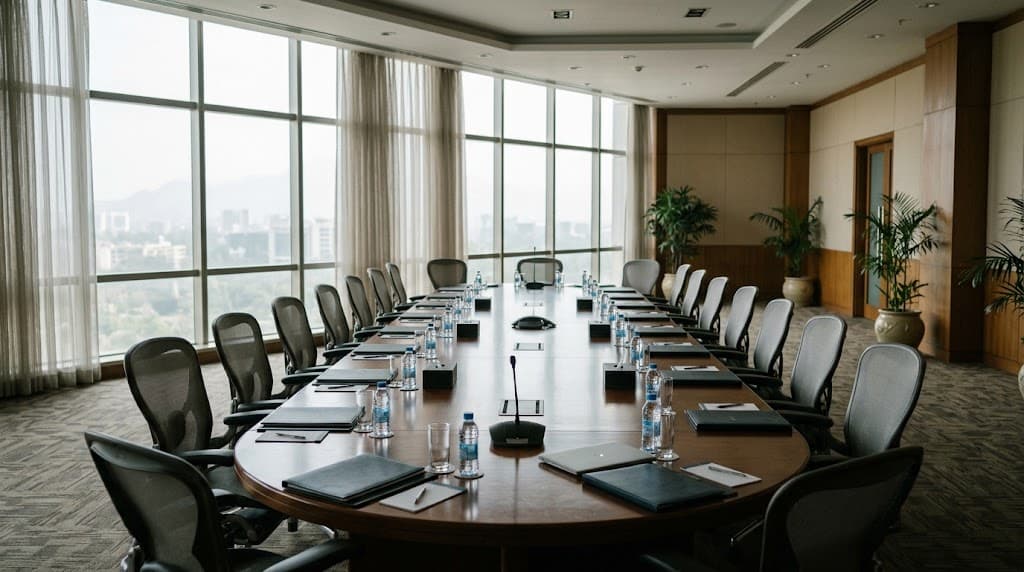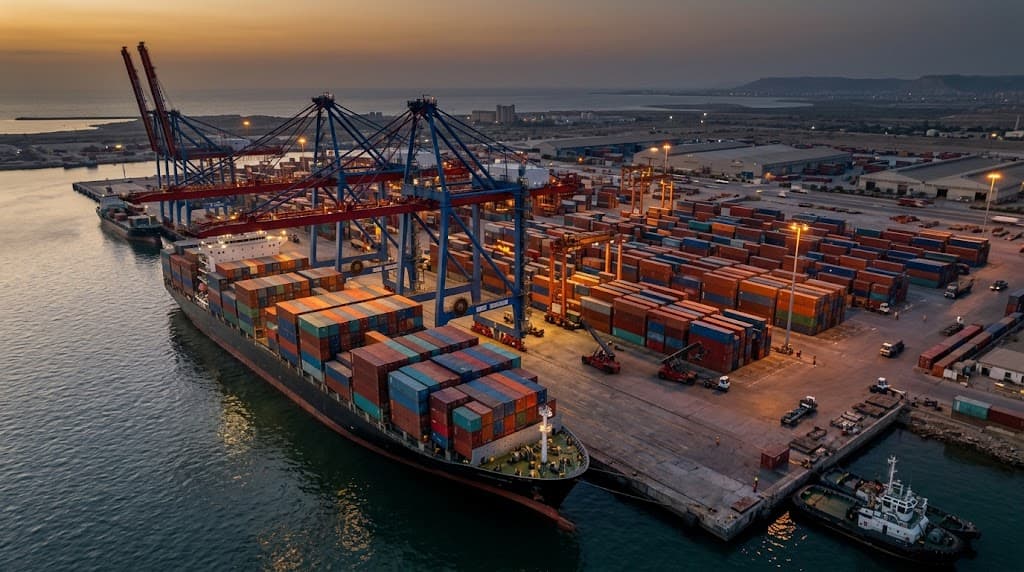
Renewed China–US economic engagement centres on closer economic engagement between the world’s two largest economies, with September consultations producing a reciprocal tariff-reduction framework of about $30 billion of goods on each side and further work on a China-US Board of Trade. Officials and economists say the shift toward structured cooperation could improve predictability for businesses, investors and supply chains, though the gains will not be automatic for every country.
What the September talks produced
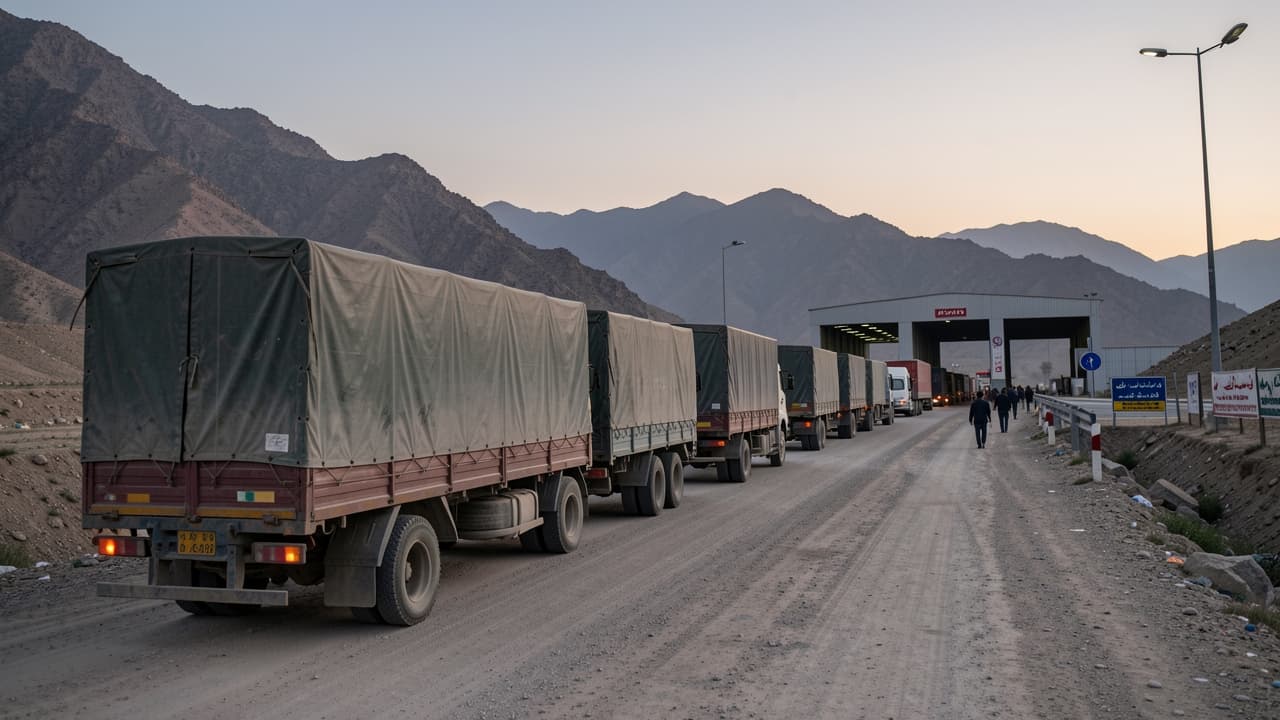
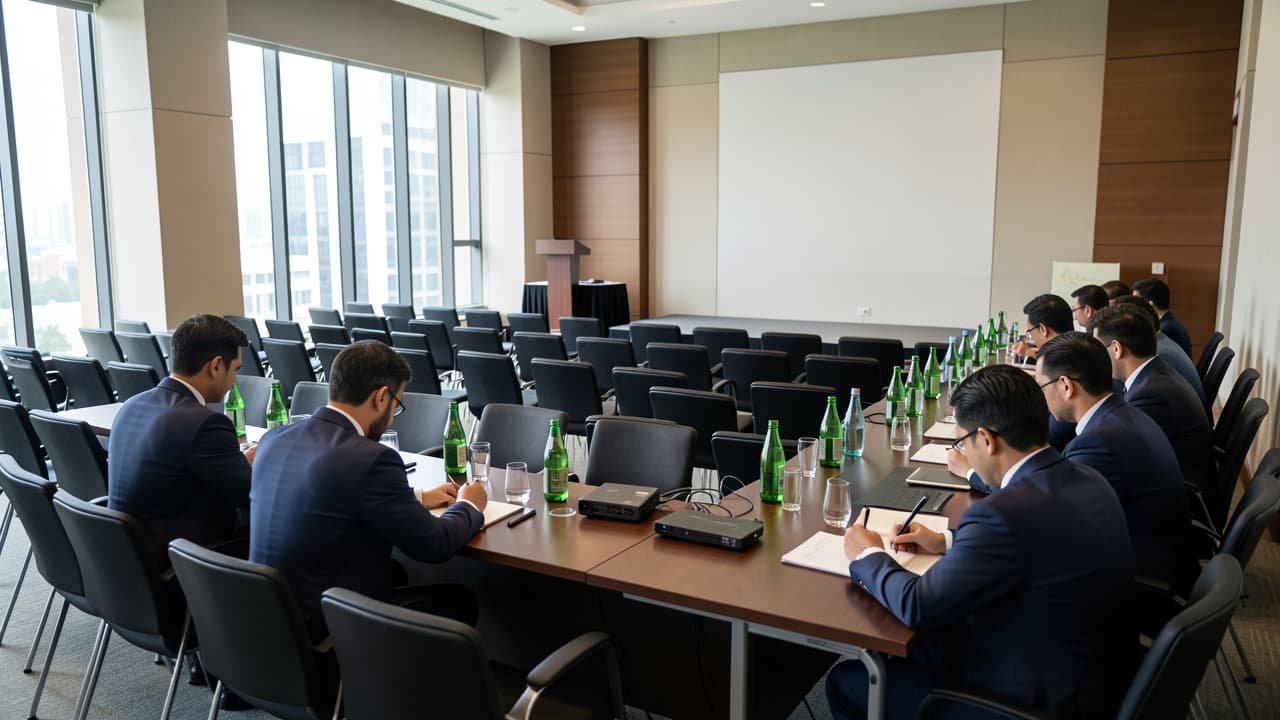
During their September economic and trade consultations, China and the United States moved ahead on institutional cooperation through the China-US Board of Trade and agreed a reciprocal tariff-reduction framework covering approximately $30 billion worth of goods on each side. According to China’s Ministry of Commerce, tariffs on around 90% of the products covered by the arrangement would be reduced to most-favoured-nation rates—the standard low rates applied to regular trading partners—once both countries complete their domestic procedures.
The steps point to an effort to manage economic differences through more formal channels rather than open-ended friction. For firms that buy, sell or ship across borders, clearer rules can support longer-term decisions on production, procurement and investment, even while competitive conditions change for countries that trade with both giants.
Why Pakistan is watching closely
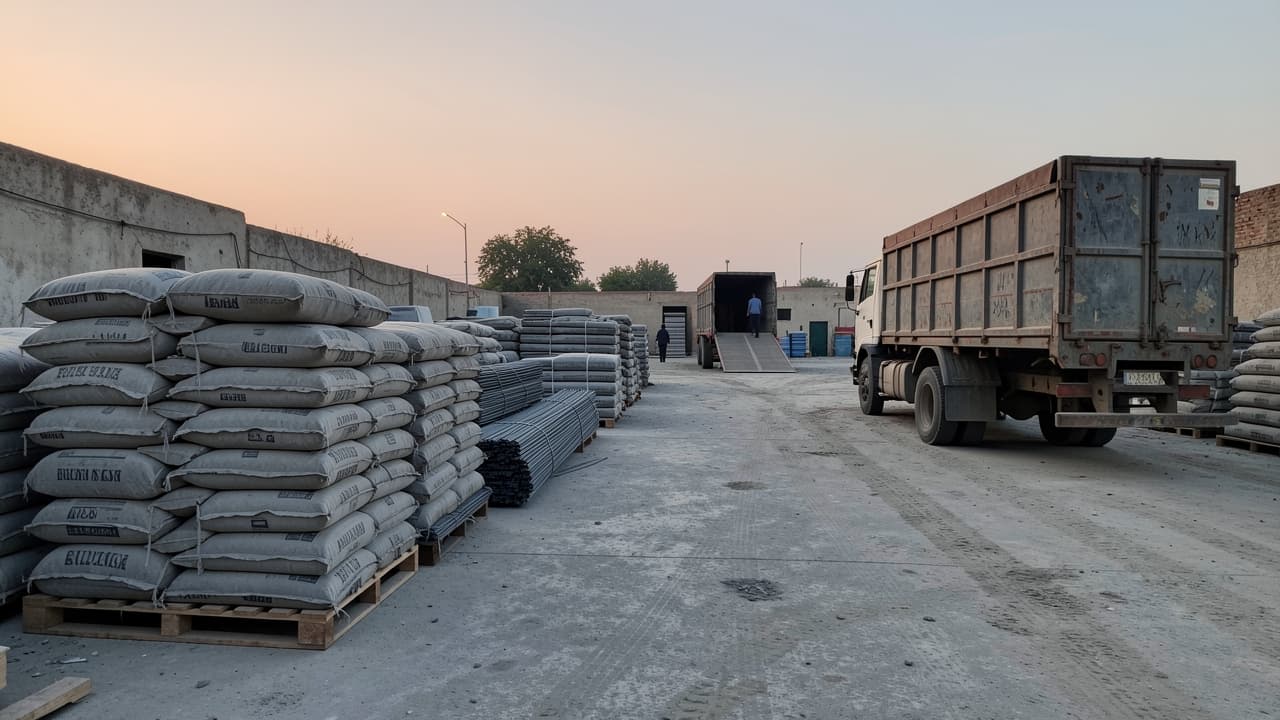
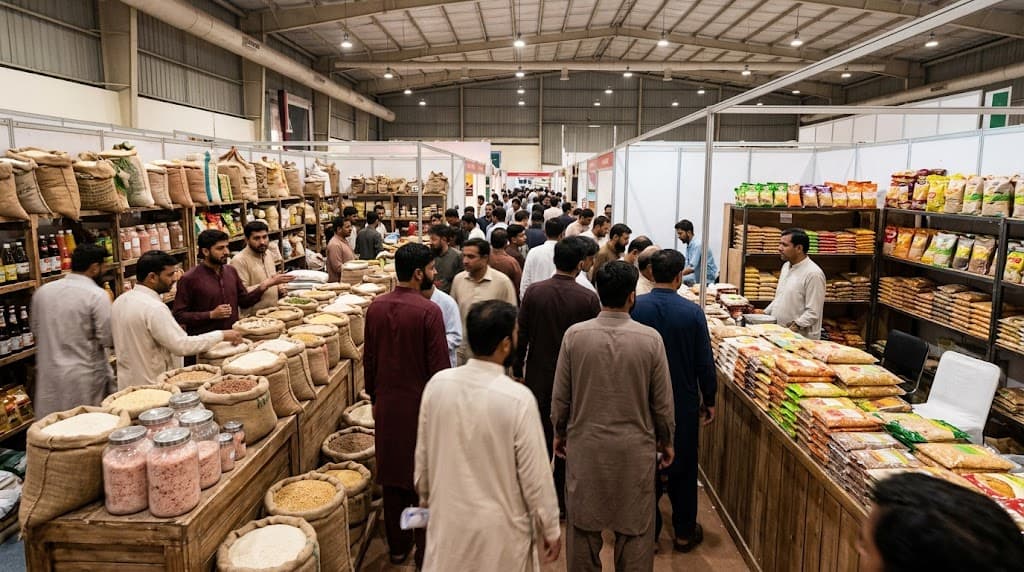
Dr Aadil Nakhoda, Chair of the Economic Advisory Group and Assistant Professor at the Institute of Business Administration, Karachi, said stronger China–US engagement could reduce uncertainty in global trade and give developing economies more predictability. He argued the developments matter for Pakistan because China remains its largest source of imports—machinery, intermediate goods and raw materials used across domestic industry—while the United States continues to be Pakistan’s largest export market.
More stable relations between those two partners could therefore affect industrial production, export competitiveness and how Pakistani firms plug into international supply chains. Nakhoda noted that the China Plus One push had already encouraged multinationals to spread production beyond China, opening space for alternative manufacturing locations. Pakistan, he said, already has strong commercial ties with China, including a bilateral free trade agreement, which could support deeper roles in Chinese production and value chains if imported inputs become more predictable and industrial cooperation deepens.
He stressed that external calm is not enough on its own. “The National Tariff Policy needs to be implemented in full spirit. Rationalisation is critical,” he said, adding that Pakistan should seek strategic integration into global value chains while tightening product-safety and quality standards to meet international expectations.
Competitive risks and what comes next
Bilal Aftab, Staff Economist at the Pakistan Institute of Development Economics (PIDE), said greater stability in China–US trade could give developing economies more predictable global demand, freight conditions and supplies of industrial inputs. More stable prices and availability of Chinese machinery, yarn and chemicals could help Pakistani exporters who rely on imported materials. At the same time, he cautioned that closer engagement between Beijing and Washington could create new competitive pressure: as tariff gaps narrow on selected products, Chinese manufacturers may face less incentive to relocate simply to keep preferential access to the American market.
For Pakistan, that could shrink some opportunities that earlier tensions created and raise the premium on competing through production costs, product quality, regulatory compliance and supply reliability. Aftab also warned against treating the current easing as permanent. The Kuala Lumpur economic and trade arrangement, he noted, has only been extended to 10 January 2027, so businesses and policymakers should plan for managed volatility. Maintaining access to the US market, he said, will require stronger supply-chain traceability, rules-of-origin documentation and compliance—especially for textiles that depend on imported inputs while serving overseas buyers.
Overall, China-US trade news of structured talks and reciprocal cuts strengthens the outlook for global trade stability, but Pakistan’s payoff will depend on domestic tariff and industrial strategy, quality standards and readiness for rules that major markets already enforce.
Aasan alfaaz mein
China aur America ke beech trade relations behtar hone ka imkan nazar aa raha hai. Dono taraf lagbhag 30 billion dollar ke maal par tariff kam karne ka framework bana hai. Pakistan ke liye yeh zaroori hai kyunke China se machinery aur raw material aata hai aur America bara export market hai. Agar global trade zyada predictable ho, factories aur exporters ke liye planning asaan ho sakti hai—lekin humein apni quality, cost aur rules pe bhi kaam karna hoga.