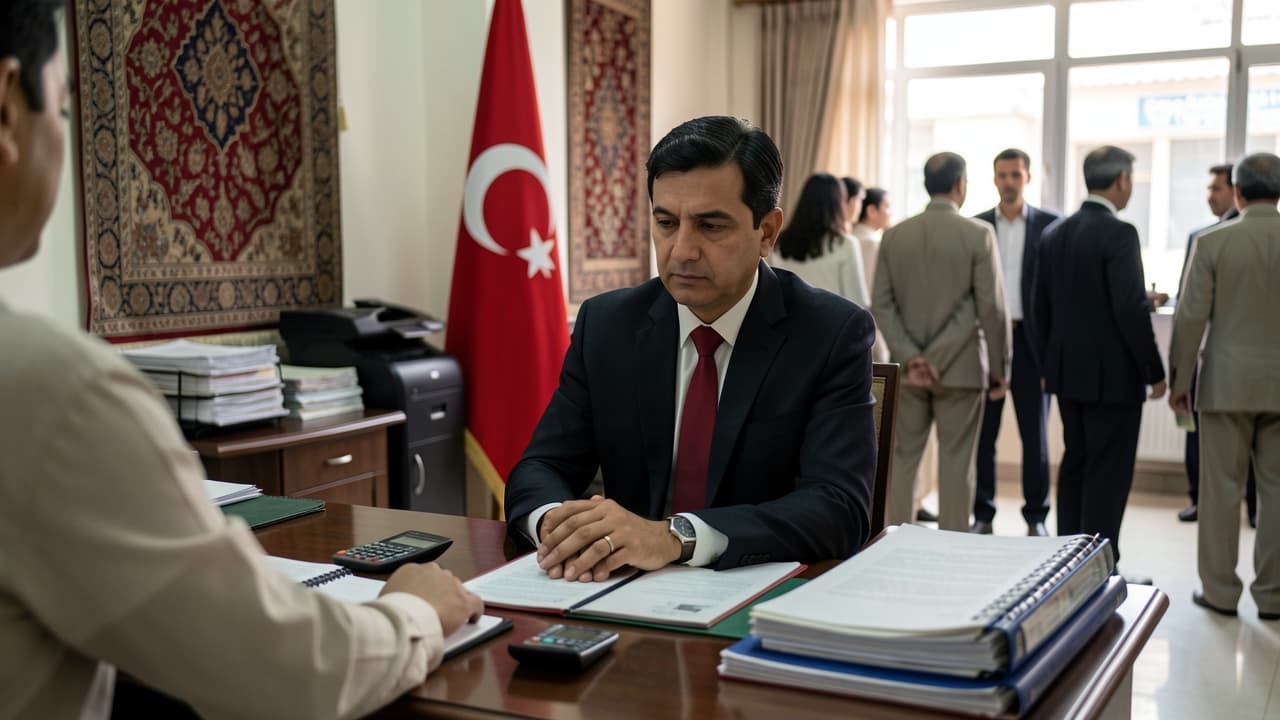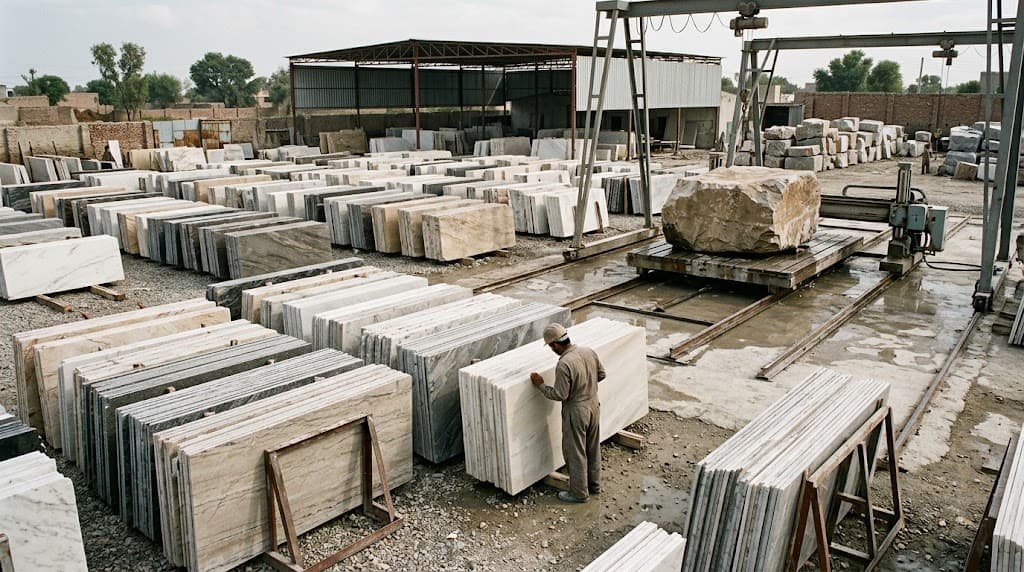
The government has set up four technical groups to guide the post-modernization of marble industry in Pakistan, with the aim of improving finishing standards, adopting newer technology, adding value to stone and widening exports. Haroon Akhtar Khan, Advisor to the Prime Minister for Industries and Production, announced the groups on October 15 in Islamabad after chairing a meeting of the steering committee on the National Marble and Natural Stone Policy 2026–2030. The groups will work under that committee and make recommendations on four areas: marble finishing, technology upgradation, value addition and export promotion.
The advisor said the groups would look for practical answers to problems specific to the industry and help draft a roadmap for stronger competitiveness in international markets. The announcement did not give a deadline for that roadmap, so it is not yet clear when concrete results will appear.
Why the government says the sector must change
Haroon said the steering committee was formed under the prime minister's vision to address long-standing problems in the sector and unlock its export potential. He said the sector could contribute more to industrial growth, employment and foreign exchange earnings, meaning money earned from abroad, but only if it moved beyond conventional extraction toward modern processing, quality finishing and higher value-added products. He pledged that the government would work closely with private companies on operational bottlenecks and the business environment.
The meeting was attended by Rana Ihsan Afzal, Coordinator to the Prime Minister on Commerce and Industry, and Secretary Industries and Production Ahsan Ali Mangi. The chief executive of the Pakistan Stone Development Company (PASDEC), other officials and private-sector representatives also took part. The advisor said the ministry would coordinate with industry stakeholders to build a wider framework for modernization and growth.
Industry concerns and proposed fixes
Private-sector representatives pointed to outdated extraction techniques, limited access to modern technology, logistical problems, weak value addition and poor access to international markets. They said conventional blasting used in quarrying often destroys a significant amount of valuable marble, which reduces the usable stone available and holds back productivity. They urged modern extraction methods and better processing to cut this waste.
Participants argued that better finishing and product quality were essential if Pakistani marble was to compete abroad. They asked for more attention to logistics, market development and export facilitation so local producers can reach new buyers. They also proposed dedicated exhibitions to showcase products and connect manufacturers with international buyers.
Marble handicrafts and handcrafted designs were also highlighted, since intricate, value-added work could earn greater market recognition and create income for artisans. Participants said greater public awareness of marble's durability could encourage its wider use in construction and architecture.
The advisor expressed confidence that improved technology, reduced wastage, higher value addition, better finishing and stronger export links could make the sector more competitive and productive. The meeting ended with a call for coordinated work between government and the private sector to turn the policy's objectives into practical steps. No timeline was given for the four groups in the announcement.
Aasan alfaaz mein
Haroon Akhtar Khan ne marble industry ko jadeed banane ke liye chaar technical groups banaye hain. Ye groups finishing standards, nai technology, value addition aur exports par sifarishat denge. Maqsad ye hai ke Pakistani marble zyada kamai laye aur zaya kam ho. Abhi is kaam ka koi timeline nahi bataya gaya, is liye natijay dikhne mein waqt lag sakta hai.