Pakistan is aiming to lift annual mineral exports from about $3 billion to $8 billion by strengthening mining policy, infrastructure and investment, as global demand for copper, gold, chromite, lithium, rare earth elements and other critical minerals grows.
The Institute of Cost and Management Accountants of Pakistan (ICMA), a professional accountancy body, has estimated that those higher mineral exports are possible if governance and security improve. ICMA also said the sector’s underperformance leaves room for faster overall growth if the geology can be turned into working mines and export earnings.
What the numbers show
Available estimates put the number of minerals discovered in Pakistan at 92, of which 52 are already extracted commercially. ICMA places the value of mineral reserves at around $8 trillion, spread across roughly 600,000 square kilometres.
Despite that scale, mining has historically contributed less than 3% to gross domestic product (GDP)—the total value of goods and services produced in the economy. ICMA has suggested that, with the reforms it describes, GDP growth could move from around 3% toward 6%, though that remains an institute estimate rather than a government guarantee.
Pakistan sits within the broader Tethyan Metallogenic Belt, a major copper- and gold-bearing geological zone. Officials and analysts describe that position, together with rising demand for critical minerals used in industry and clean energy, as a chance to attract investment, build supply chains and diversify foreign-exchange earnings beyond traditional exports.
Reko Diq and foreign partnerships
The Reko Diq project is expected to be central to any serious expansion of mining output. Described as the country’s largest foreign investment project, its first phase is expected to begin production by the end of 2028.
Once running, the project is projected to produce about 240,000 tonnes of copper and 297,000 ounces of gold each year—volumes that could support higher mineral production and export earnings if operations stay on schedule. Pakistan has also signed agreements with US-based US Strategic Metals to develop critical minerals, signalling an effort to bring in international partners and capital.
Turning reserves into jobs and exports will still need more than digging ore. Sources stress the need for exploration, reliable geological data, modern technology, infrastructure, financing, predictable rules, environmental safeguards and lasting partnerships with experienced mining firms.
Timeline: what has happened so far
- 16 October 2026: Official commentary frames a new push to position Pakistan in global critical-minerals markets and lift mineral exports toward an $8 billion target.
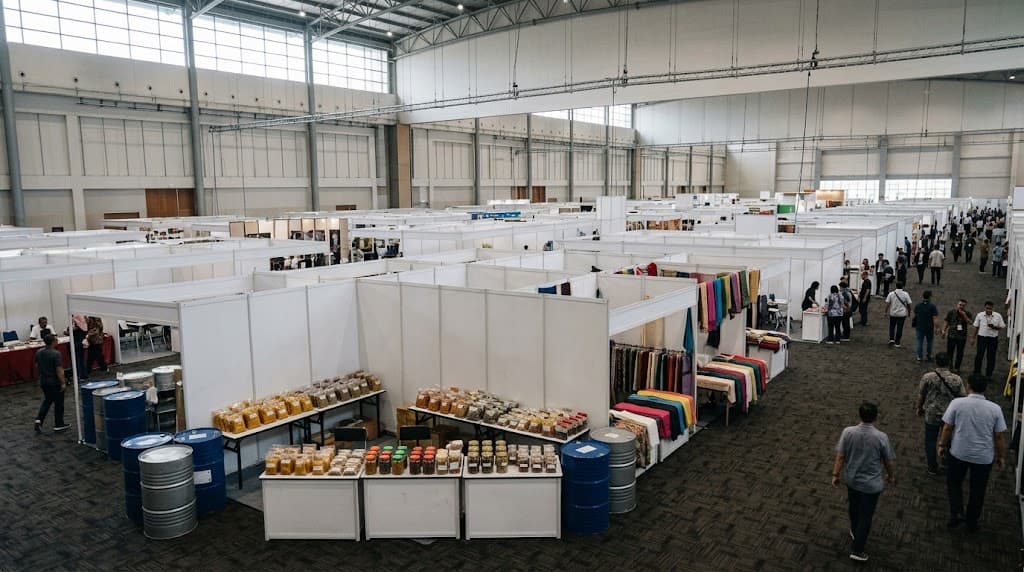
- 12–13 November 2026: Pakistan Minerals Investment Forum 2026 is scheduled at the Jinnah Convention Centre in Islamabad for officials, investors and industry players.
- By end-2028: Reko Diq’s first phase is expected to begin production, with projected annual output of about 240,000 tonnes of copper and 297,000 ounces of gold.
What officials and the industry are watching next
The November forum in Islamabad is meant to showcase exploration and investment opportunities and to discuss how the mining sector can grow. Whether the mineral export target is met will depend on sustained capital, better infrastructure, clearer policy and wider commercial development of known deposits.
Aasan alfaaz mein
Pakistan apni mineral exports ko roughly $3 billion se $8 billion tak le jana chahta hai. Mulk mein bohot si maadaniyat maujood hain, lekin abhi mining GDP ka chhota hissa hai. Reko Diq jaisi bari projects aur foreign investment se export aur jobs badhne ki ummeed hai. Aam logon ke liye seedha faida tab dikhe ga jab yeh plans asal mein kaam shuru karen aur dollar kamai barhe.