The Pakistan Automotive Manufacturers Association (PAMA) has asked Prime Minister Shehbaz Sharif to guide an independent review of the tariff data and method behind the National Tariff Policy (NTP). The association warned that inaccurate figures could harm domestic manufacturing and investment. In a letter to Haroon Akhtar Khan, the prime minister's adviser on industries and production, PAMA Director General Razi ur Rahman asked that the matter be placed before the prime minister.
What PAMA is asking for
PAMA wants a technical review of the simple and trade-weighted average tariff calculations used in the NTP. Tariffs are taxes on imports, and averages of them can be calculated in different ways. The review would cover the underlying data, the methodology, and a reconciliation with the relevant figures from the World Trade Organization (WTO), the global body that sets trade rules and publishes trade statistics.
The association also asked for a like-for-like comparison, using the same reference periods, tariff coverage, weighting methods and clearly stated assumptions. Until that review is complete and its findings have been considered, PAMA urged the government to hold off on further tariff adjustments that depend heavily on the disputed baseline.
Why the association says the figures matter
Rahman said PAMA supports the government's aims of rationalizing tariffs, improving export competitiveness and building an efficient, competitive economy. He said those goals depend on data that is accurate and comparable. Simple and trade-weighted averages can differ significantly depending on the datasets, methods and assumptions used.
Rahman listed several factors that could change the results, including tariff line coverage, import weights, exemptions, preferential rates and the treatment of specific duties. Without reconciling them, he said, headline percentages could give a misleading picture of Pakistan's actual tariff position. PAMA warned that tariff changes based on an inaccurate assessment could weaken local supply chains, discourage investment, and hurt employment and export potential.
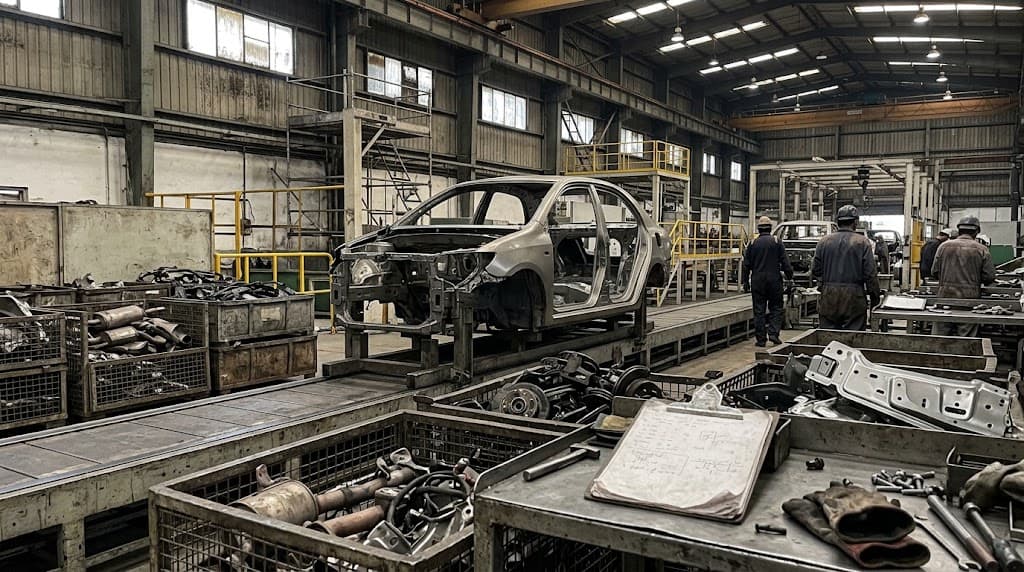
Rahman said the issue matters most for the automotive industry, which supports a large domestic vendor base and needs long-term investment, localization and predictable policies. PAMA described an independent review as a safeguard that would strengthen the credibility of tariff policy and reduce the risk of unintended economic consequences.
What happens next
The letter asks for the matter to be placed before the prime minister for guidance. The sources do not report any official response to the request, and no timeline for a review has been announced. Until a decision is made, the association's call for a pause on tariff changes that rely on the disputed figures remains its formal position.
Aasan alfaaz mein
Car industry ki body PAMA ne prime minister se darkhwast ki hai ke National Tariff Policy ke tariff data ka aazad review karwaya jaye. Association ka kehna hai ke ghalat figures se local factories, sarmaya aur naukriyon ko nuqsan ho sakta hai. Jab tak review mukammal nahi hota, mazeed tariff tabdeeliyan rokne ka mutalba kiya gaya hai. Aam shehri ke liye abhi koi nayi qeemat ka faisla nahi hua, lekin is bahas ka asar gaarhiyon aur parts ki qeematon par ho sakta hai.