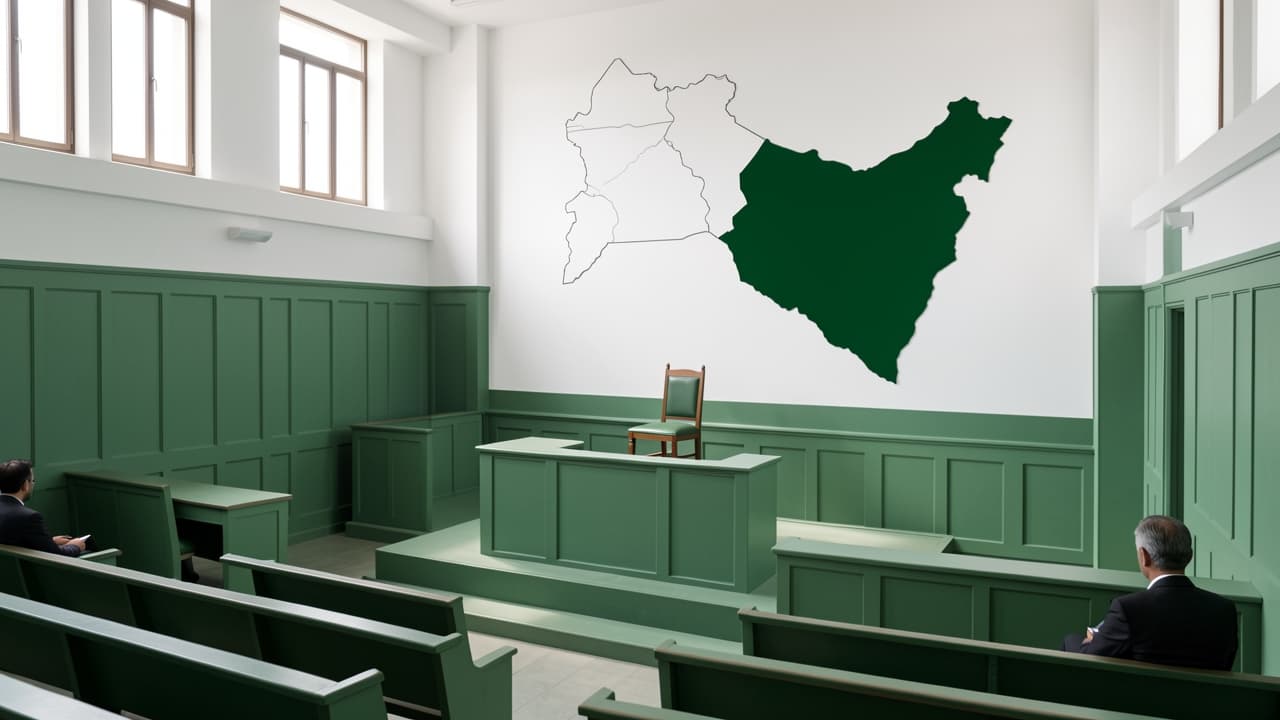
Business Recorder has put governor rule in Pakistan back in view, reporting that important points about it are still without answers. The Business Recorder item does not record a proclamation, name a province, or set a date. Anyone looking for a decision will not find one there: the published point is that the subject is still unsettled.
What the phrase means
In everyday political language, governor rule in Pakistan means a period in which the federation takes over the executive work of a province and the governor administers it for the President. The Constitution does not use that expression as a formal title. The provision associated with this step is Article 234, which deals with a failure of constitutional machinery in a province. The President may act on a report from the governor, or if otherwise satisfied that the provincial government cannot be carried on in accordance with the Constitution.
President, governor, and Parliament
The difference between governor rule and president's rule is mainly a difference of popular wording. The proclamation is made by the President, and the governor does not impose it through a personal decree. The President may assume the functions of the provincial government, or direct the governor to assume them on the President's behalf, and Parliament may be given the legislative powers of the provincial assembly. The governor's part in sending the report and then running the administration is why politicians and the press use the shorter name.
Khyber Pakhtunkhwa and Punjab
The same article covers every province. Talk of governor rule in Khyber Pakhtunkhwa, or of the same measure in Punjab, still refers to a presidential proclamation rather than a separate law for either province. It is generally tied to a governor's report that the provincial government can no longer function under the Constitution.
Business Recorder's headline does not say that a proclamation is in force in Khyber Pakhtunkhwa, Punjab, or any other province. Without one, the cabinet, the assembly, and provincial departments stay on their ordinary constitutional footing.
What is still unanswered
The paper's claim is limited to this: important questions are still open, and the headline does not list them. The matters that would need a public answer include who has judged that a province cannot be run under the Constitution, which provincial powers actually move to the federation, and what is to happen to the assembly.
Those points belong in the proclamation and in whatever Parliament does afterward. They are not answered by the popular label itself. Nothing in this report confirms that governor rule in Pakistan is operating in any province today.